


Top Green Hydrogen Projects in the UK (2026)
Not long ago, green hydrogen projects in the UK felt like one of those ideas that lives permanently in the “coming soon” category always promising, never quite arriving. That has changed....

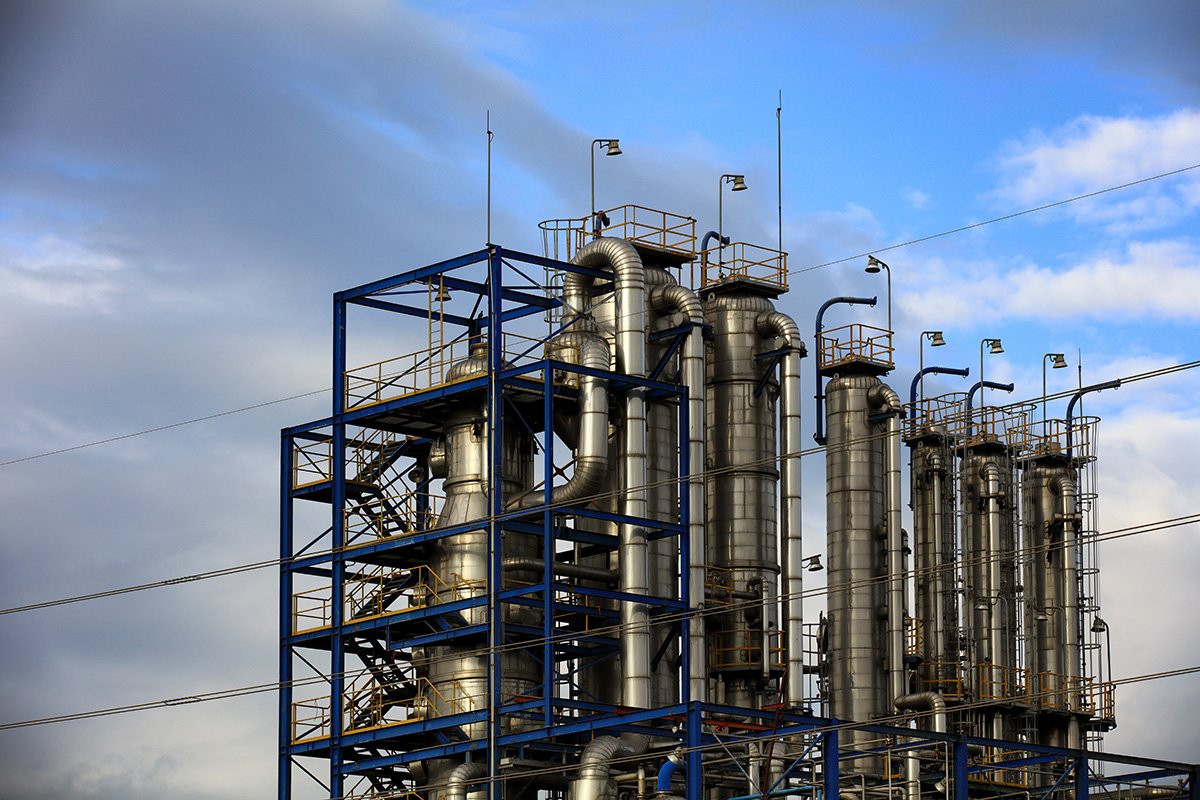
Not long ago, green hydrogen projects in the UK felt like one of those ideas that lives permanently in the “coming soon” category always promising, never quite arriving. That has changed. In 2026, projects that spent years in feasibility studies and planning applications are finally becoming physical things. Steel in the ground. Plants being built. Hydrogen actually being produced.
Table Of Content
- HTE’s Kent Plant – The One That Caught the BBC’s Attention
- HyNet North West — Big, Complex, and Moving
- Humber Zero — Where the Carbon Problem Is Biggest
- Whitelee — Scotland’s Proof That It Actually Works
- East Coast Cluster — Building the Pipes Before the Gas
- Dolphyn — Making Hydrogen Out at Sea
- Why Waste-to-Hydrogen Deserves Its Own Conversation
- Conclusion
- Frequently Asked Questions
The UK is not the only country chasing this, but it has some genuine advantages a huge offshore wind resource, a government with net zero commitments baked into law, and a growing number of companies prepared to do things that have never been done before.
HTE is one of them. But before we talk about what we are building in Kent, here is an honest look at the projects ours included that are worth paying attention to right now.
HTE’s Kent Plant – The One That Caught the BBC’s Attention
In April 2026, HTE submitted planning permission for what would be the UK’s first industrial-scale waste-to-hydrogen plant. BBC News covered it. So did OneStop ESG. And the interest was not just polite people genuinely wanted to understand how it works.
Visit – https://www.bbc.com/news/articles/cp86pen02ngo
The short version: non-recyclable waste goes in, fuel cell grade hydrogen comes out. The longer version involves plasma-assisted gasification running at temperatures above 3,000 degrees, breaking down plastics, tyres, medical waste, automotive shredder residue, and municipal solid waste into hydrogen that meets ISO 14687 standards, captured CO₂, and inert slag that can be reused in construction.
Nothing burned in a traditional sense. Nothing sent to landfill. Two problems what to do with waste the recycling system cannot handle, and where clean hydrogen is going to come from addressed by the same process.
The plant is based in Broadstairs, Kent. And if planning goes through, it will be the first of its kind at this scale in the UK.
HyNet North West — Big, Complex, and Moving
HyNet covers the industrial corridor between North West England and North Wales, and it has become something of a flagship for the UK’s hydrogen ambitions. The idea is to build out the full infrastructure production, pipelines, storage that lets heavy industry actually switch to hydrogen rather than just talk about it.
It draws on a mix of hydrogen production methods, which some people criticise as not being purely green. That is a fair point. But the practical argument for HyNet is that it is building the backbone and once pipelines and storage exist, what flows through them can change over time.
By 2026, it is the most developed hydrogen cluster project in the country. That counts for something.
Humber Zero — Where the Carbon Problem Is Biggest
The Humber estuary is responsible for a significant chunk of the UK’s industrial carbon emissions. It is one of those regions that gets pointed to a lot in policy discussions, because decarbonising it would actually move the needle nationally.
Humber Zero is the project trying to do that. The plan brings hydrogen into the mix alongside carbon capture for the region’s steel, chemical, and energy facilities. The North Sea wind resource sitting just offshore makes renewable-powered hydrogen production a logical fit here the geography works in the project’s favour.
Progress has been steady rather than spectacular, but that is probably the right pace for something this complicated.
Whitelee — Scotland’s Proof That It Actually Works
If you want to point to somewhere in the UK where green hydrogen production is not theoretical, Whitelee is your answer. It sits next to Europe’s largest onshore wind farm, just south of Glasgow, and has been using surplus wind power to produce hydrogen through electrolysis for a few years now.
The partnership between BOC and ScottishPower has kept things operational and relatively unglamorous which is exactly what you want from infrastructure. No fanfare. Just hydrogen being made, consistently, from clean energy that would otherwise go unused.
That track record matters as the sector tries to attract serious investment. Whitelee shows the economics and the technology can coexist.
East Coast Cluster — Building the Pipes Before the Gas
Teesside and the Humber together form the East Coast Cluster, one of two industrial zones that got early backing through the UK government’s decarbonisation programme. The hydrogen element here is as much about infrastructure as production building the transport and storage network that future projects will depend on.
It is the kind of work that does not generate exciting headlines but is genuinely foundational. The UK could have excellent hydrogen production capacity and still fail to scale if there is nowhere to send the gas. The East Coast Cluster is trying to solve that problem before it becomes critical.
Dolphyn — Making Hydrogen Out at Sea
Dolphyn is the most unconventional project on this list, and probably the most interesting from an engineering standpoint. The concept is to produce hydrogen on floating platforms in open water wind turbines with electrolysers and desalination units built in, turning seawater directly into hydrogen without any onshore plant required.
ERM, the engineering firm behind it, has been developing the technology over several years. Commercial scale is still a few years away, but the logic is sound. The UK has a vast offshore wind resource and a lot of open sea. If you can move the production out there, you remove a significant chunk of the infrastructure cost and land-use challenge.
Why Waste-to-Hydrogen Deserves Its Own Conversation
Most hydrogen projects in the UK are built around electrolysis using electricity, ideally from renewables, to split water. It is a clean approach, and the costs have been coming down steadily. But it also means hydrogen production is competing with every other use of renewable electricity: homes, transport, heating, data centres.
HTE’s route is different in a way that matters. The feedstock is waste material that the recycling system has already given up on. The process does not draw on the grid. And the output is not just hydrogen; it is also a solution to a waste problem that local authorities and businesses are actively trying to solve.
In Kent alone, the volumes of non-recyclable waste are substantial. Nationally, the numbers are much larger. Waste-to-hydrogen does not replace electrolysis-based production it adds to the total supply from a completely different starting point, using a resource that is not in short supply.
Conclusion
The UK’s hydrogen sector in 2026 is more varied than most people realise. It is not one technology or one geography — it is offshore platforms, industrial clusters, Scottish wind farms, and a first-of-its-kind waste conversion plant in Kent all developing at the same time.
At (Hydrogen Transition Energy)HTE, we think that variety is healthy. The scale of what the UK needs to do on clean energy means there is room for different approaches, and the approaches that solve more than one problem at once like turning difficult waste into clean fuel are going to be increasingly hard to ignore.
We are at an early and genuinely exciting stage. If you want to understand what we are building and why, the best place to start is our Process page or just get in touch.
Frequently Asked Questions
Is HTE’s hydrogen actually green?
HTE produces low-carbon hydrogen through thermochemical recycling of waste, rather than electrolysis powered by renewable electricity. The carbon footprint of the process has been independently assessed, and the output meets fuel cell grade standards (ISO 14687). Whether you call it green, low-carbon, or circular-economy hydrogen, the emissions profile is dramatically better than conventional production methods.
What waste does the Kent plant accept?
The process handles materials that recycling cannot — plastics, tyres, automotive shredder residue, medical waste, biomass, and general municipal solid waste. These are streams that currently end up in incineration or landfill. HTE offers a third option that actually produces something valuable.
What happens to the CO₂ and slag produced?
The CO₂ captured during the process can be stored or utilised industrially, keeping it out of the atmosphere. The slag produced is chemically inert and suitable for use as a construction aggregate. Neither goes to waste.
When will the Kent plant be operational?
Planning permission has been submitted as of April 2026. Subject to approval, HTE will move into the construction and commissioning phase. Updates are shared through the Latest Updates section of the website.
How does this fit with the UK’s net zero targets?
Converting non-recyclable waste into clean hydrogen reduces landfill, avoids incineration emissions, and produces a fuel that displaces fossil fuels in transport, industry, and energy generation. It contributes to circular economy targets and clean energy goals simultaneously — which is why the project has attracted the attention it has.
How can I find out more about HTE or explore investment?
Visit hydrogen-te.com for full details on the technology, projects, and the team. The Investors section covers the opportunity in more depth, and the Contact page is the easiest way to start a conversation directly.







No Comment! Be the first one.