



How To Master Your Craft Through Exclusive Photography Safaris In Africa
The intersection of high end travel and visual storytelling has created a unique niche for the modern traveler, where the goal is not just to see the world but to capture it with precision and...

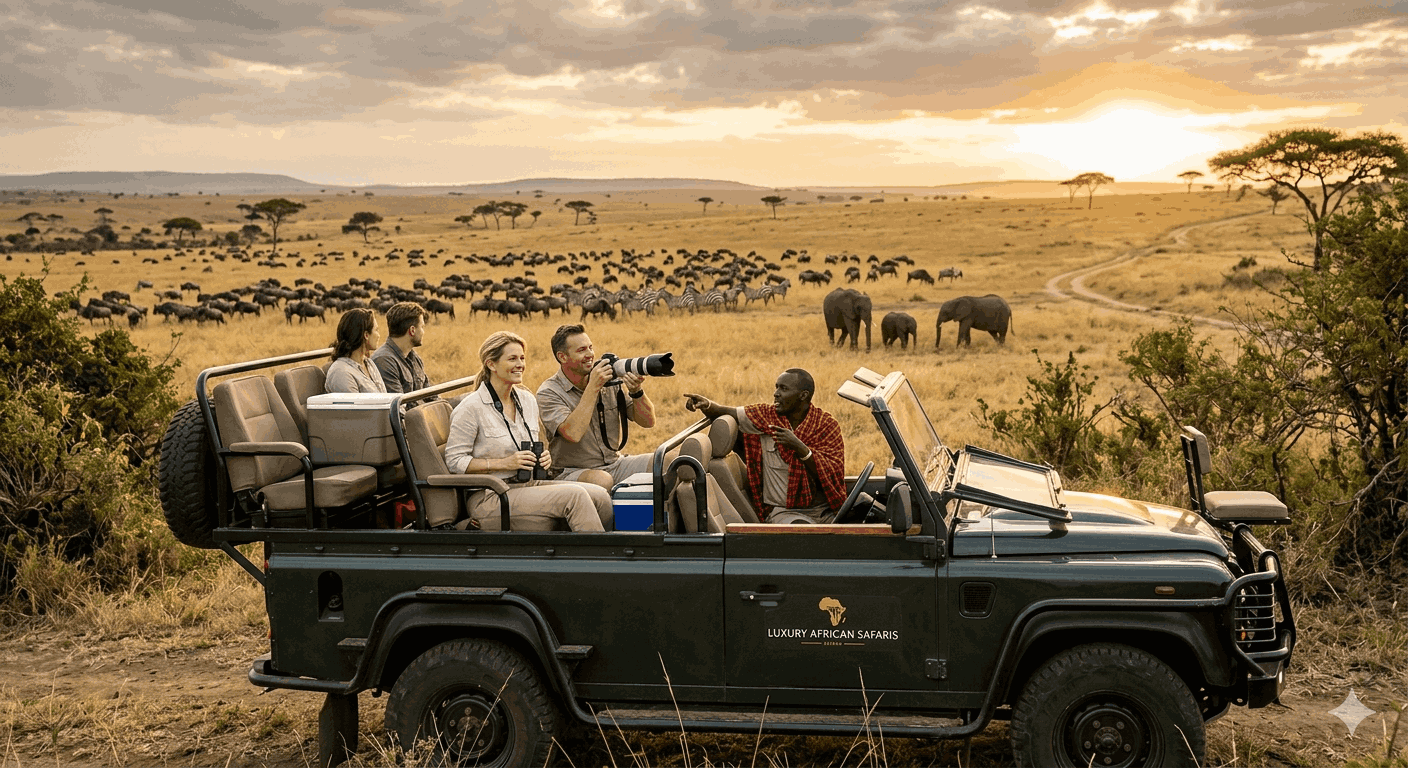
The intersection of high end travel and visual storytelling has created a unique niche for the modern traveler, where the goal is not just to see the world but to capture it with precision and artistry. Exclusive photography safaris in Africa represent the pinnacle of this pursuit, offering a specialized environment where every logistical element is designed to facilitate the perfect shot. Unlike a standard leisure safari, where the focus is on a general overview of wildlife, a photography centric journey prioritizes light, angles, patience, and technical excellence. In the heart of the African wilderness, the conditions can be as challenging as they are rewarding, and having the right support system is what separates a snapshot from a masterpiece. These journeys are crafted for those who understand that the magic happens in the golden hour, when the sun hangs low and the savanna is bathed in an amber glow. By choosing exclusive photography safaris in Africa, you are investing in an experience that provides private vehicles, expert photographic guides, and access to remote regions where the wildlife is undisturbed and the landscapes are pristine. This guide explores the foundational requirements for a premium photographic expedition, the iconic regions that offer the best visual opportunities, and the specialized equipment and infrastructure that define this elite category of travel.
Table Of Content
The Technical Advantage Of Specialized Vehicles And Private Access
The most significant differentiator for exclusive photography safaris in Africa is the equipment provided before you even pick up your camera. Standard safari vehicles are often crowded, limiting your range of movement and forcing you to share angles with other guests. In a dedicated photographic setting, the vehicle is your mobile studio. These custom built 4x4s are often limited to just one or two photographers, ensuring that you have 360 degree views and ample space for your tripods, beanbags, and long lenses. Many of these vehicles feature swivel seats, lowered sides for low angle shots, and even specialized mounts to stabilize heavy gear. This level of physical freedom is essential when you are trying to track a moving predator or frame a bird in flight. Furthermore, the advantage of private access cannot be overstated. By operating in private concessions rather than public national parks, exclusive photography safaris in Africa allow for off road driving. This means your guide can position the vehicle exactly where the light is most favorable, rather than being restricted to a designated road. This flexibility allows you to get closer to the action and experiment with perspectives that are simply unavailable to the general public.
Another critical component is the expertise of the guide. On a photographic safari, your guide is often a professional photographer themselves, or at the very least, someone who understands the nuances of shutter speed, depth of field, and animal behavior. They don’t just find the animals; they anticipate their movements. They know that a leopard is likely to yawn after waking up, or that a fish eagle will dive against the wind. This foresight allows you to prepare your settings and frame your shot before the action occurs. The synergy between a skilled guide and a patient photographer is what results in those rare, high impact images that tell a story of survival and beauty. Exclusive photography safaris in Africa also provide specialized “hides” or blinds. These are permanent or semi permanent structures located near waterholes or known dens, allowing you to photograph animals from ground level without being detected. The perspective gained from a hide is transformative, offering a “eye to eye” view that creates a powerful emotional connection in the final photograph.
Iconic Regions For Diverse Portfolios And Exceptional Light
While Africa is vast, certain regions have become synonymous with exclusive photography safaris in Africa due to their unique light and predictable wildlife patterns. Botswana remains a favorite for its sheer variety of environments. The Okavango Delta offers a lush, watery world where you can photograph elephants crossing channels or kingfishers hovering over lilies. The reflections in the clear Delta water provide a symmetrical beauty that is a dream for landscape and wildlife photographers alike. In contrast, the arid beauty of the Kalahari or the salt pans of Makgadikgadi offers a minimalist aesthetic, where the vast horizons and dramatic dust storms create a sense of scale and atmosphere that is entirely different from the wetlands. Namibia is another powerhouse for the visual artist. The towering red dunes of Sossusvlei and the stark, skeletal trees of Deadvlei are perhaps the most photographed landscapes on the planet. Here, the play of shadow and light on the sand creates abstract patterns that challenge the photographer to look beyond the literal.
For those focusing on predator action, the Greater Kruger area in South Africa and the Maasai Mara in Kenya are unparalleled. The Sabi Sands, a private concession bordering the Kruger, is world renowned for its habituated leopards, providing opportunities for intimate portraits of these elusive cats in perfect light. The Maasai Mara, especially during the Great Migration, offers the kind of drama that defines the African experience. Witnessing thousands of wildebeest braving crocodile infested waters is a chaotic, high energy event that requires fast glass and even faster reflexes. Exclusive photography safaris in Africa in these regions often include “fly in” options, allowing you to move between these diverse ecosystems quickly, ensuring that your portfolio includes everything from the macro details of a dung beetle to the grand sweep of a desert sunset. The goal is to provide a comprehensive visual narrative of the continent, supported by the best lodging and logistical support available.
The Evolution Of Post Processing Hubs And Onsite Education
A modern photographic journey does not end when the sun goes down. In fact, for many, the second half of the work begins in the evening. Exclusive photography safaris in Africa have evolved to include sophisticated post processing hubs within the lodges. These “media suites” are equipped with high speed workstations, color accurate monitors, and the latest editing software. This allows photographers to download their daily captures immediately, review their work, and make adjustments while the memory of the encounter is still fresh. Many top tier lodges also have resident photographic tutors who provide one on one workshops. They can help you master complex techniques like night sky photography, where the absence of light pollution in the African bush allows for stunning captures of the Milky Way over ancient baobab trees.
The educational aspect extends to the “digital darkroom,” where you can learn to enhance your images through careful color grading and sharpening. This immediate feedback loop is invaluable; if you realize you made a technical error during the morning drive, you can correct it during the afternoon session. This accelerated learning curve is a hallmark of exclusive photography safaris in Africa. Furthermore, some lodges provide “loaner” gear, allowing you to test out the latest bodies or lenses before committing to a purchase. This ensures that even if your own kit is limited, you have access to the best technology in the world. The combination of field work and studio work creates a holistic experience that respects the craft of photography as much as the beauty of the subject. It is a journey of constant refinement, where the ultimate goal is to produce a body of work that is both technically flawless and artistically profound.
Conclusion And Preparing For Your Visual Odyssey
Exclusive photography safaris in Africa are a profound investment in your personal and professional growth as a creator. In a world saturated with imagery, the opportunity to spend time in a focused, high end environment dedicated to the art of the shot is a rare luxury. These journeys offer more than just a chance to see the Big Five; they offer the tools, the space, and the expertise to interpret the African wilderness through your own unique lens. From the custom vehicles that provide the perfect angle to the private concessions that ensure you are the only one at the sighting, every element is geared toward your success. The memories of a lion’s golden eye reflecting the sun or the silhouette of a giraffe against a crimson sky will stay with you, but the photographs you produce will serve as a lasting testament to the power of the wild.


No Comment! Be the first one.