


How Often Should You Replace Your Roof? A Complete Guide
Your roof is very important. It protects you and your family from the elements. It also keeps you warm and comfortable. And it makes your home look attractive and valuable. But roofs don’t last...

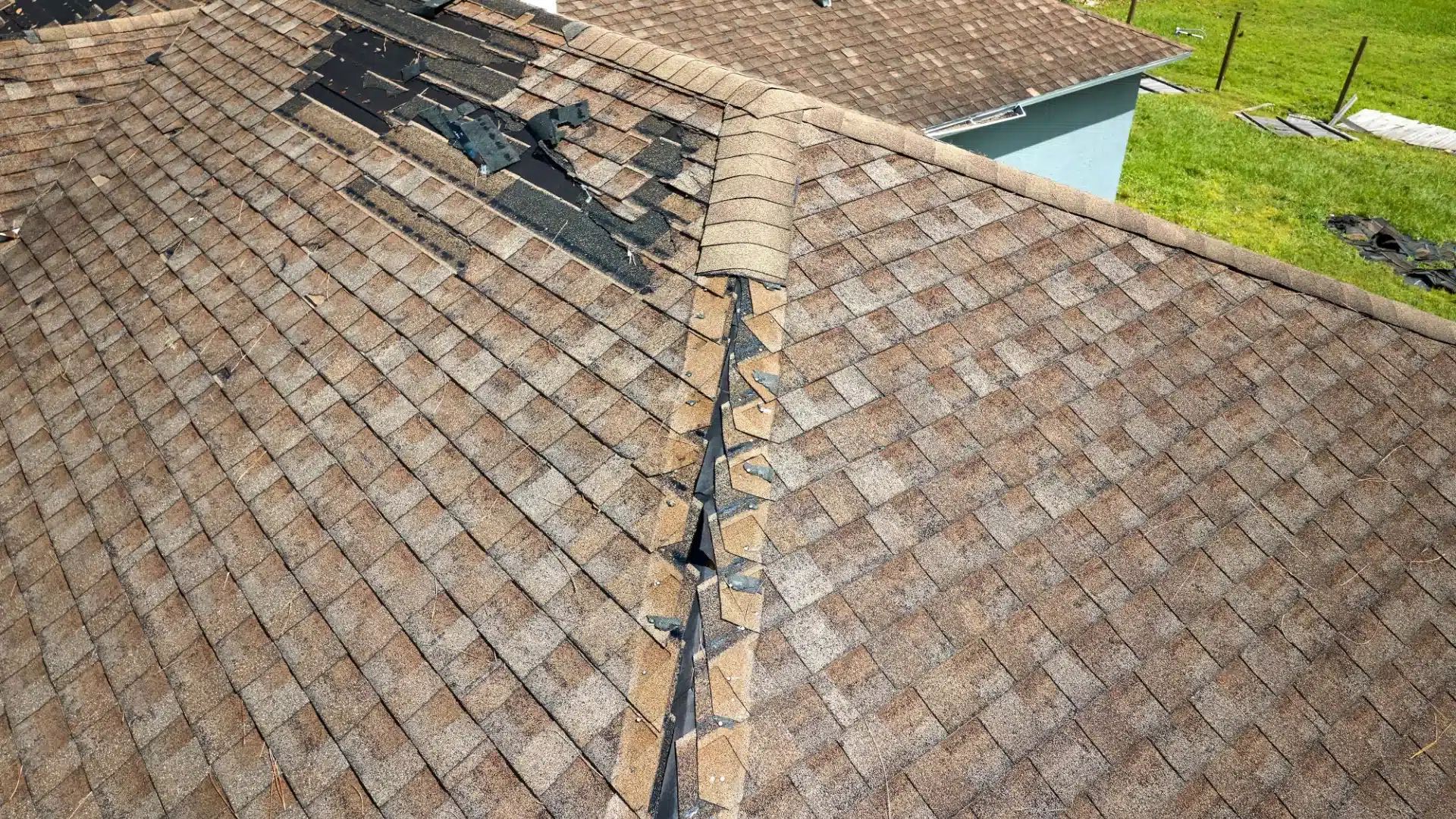
Your roof is very important. It protects you and your family from the elements. It also keeps you warm and comfortable. And it makes your home look attractive and valuable. But roofs don’t last forever. At some point, you’ll need to replace or repair it. How do you know when to do that? And how often?
Table Of Content
- Roof replacement depends on the material
- How to know if your roof needs to be replaced
- How to prepare your house for a roof replacement
- Here are some tips on how to prepare for a new roof
- How to choose a reliable roof replacement service
- Here are some tips on how to choose a good roofing service
- How to avoid common mistakes or scams when replacing your roof
- Here are some tips to avoid problems or scams on rooftops
- Conclusion
The answer to these questions isn’t simple. Roof replacement depends on the material, the quality of the installation, the weather conditions, and the maintenance of your roof. Different types of roofing materials have different lifespans and durability. For example, asphalt shingles can last up to 20 years, while metal roofs can last 50 years or more. This article explains the pros and cons of different roofing materials, how to check if your roof is damaged, and how to prepare for roof replacement.
You’ll also learn how to find a good roof replacement service and how to avoid mistakes or scams when replacing your roof. Replacing your roof is a big investment, but it can also save you money and trouble in the future. Read on to find out more.
Roof replacement depends on the material
Roof replacement depends on the material you choose. The material influences the price, lifespan, and appearance of the roof. Different roofing materials have different advantages and disadvantages, and they also require different installation and maintenance methods. Therefore, before making a decision, you should understand how the material affects the roof replacement.
Most roofs last between 20 and 30 years, but some may last longer or shorter. It depends on how damaged or worn they are. Below are some common roofing materials and their typical lifespans:
- Asphalt shingles: The most popular and inexpensive roofing material in the United States. They consist of fiberglass or organic mat with asphalt and granules on top. They come in many colors, styles, and qualities. They are easy to install and repair, and can last 20 years or more with proper care. However, asphalt shingles can also discolor, crack, curl, and lose granules over time. They are not very resistant to fire, wind, hail, or algae growth. They also do not insulate well and are harmful to the environment.
- Metal roofing: A durable and environmentally friendly roofing material that can last 50 years or more. It’s made of steel, aluminum, copper, or zinc and comes in various forms, such as panels, tiles, or shingles. Metal roofing resists fire, wind, hail, snow, and corrosion. It also reflects heat and light, which can reduce cooling costs and your carbon footprint. However, metal roofing is also more expensive and more difficult to install than asphalt shingles. It can be noisy when it rains or hails and can dent or scratch easily. Additionally, it sometimes needs to be painted or coated to prevent discoloration and rust.
- Tile roofs: This is a durable and elegant roofing material that can last 100 years or more. It’s made from clay, concrete, or slate and comes in various styles, such as flat, curved, or interlocking. Tiles are resistant to fire, wind, hail, and moisture. They also provide good insulation and are environmentally friendly. However, they are also the most expensive and heaviest roofing material. They can break or crack easily. A strong, solid roof structure and a skilled, experienced installer are essential.
- Wooden shingles or roofing: These are natural and attractive roofing materials that can improve the appearance and value of your home. Made from cedar, redwood, pine, or cypress, they can last 30 years or more with proper maintenance. Wooden shingles and planks resist insects, rot, and UV rays. They also provide good insulation and are environmentally friendly. However, wooden shingles are also more expensive and difficult to install than asphalt shingles. They are susceptible to fire, wind, hail, mold, and algae growth. Furthermore, they require frequent cleaning, staining, and sealing to prevent deterioration and discoloration.
Different roofing materials have different lifespans and characteristics. You should choose the one that fits your budget, style, and needs.
Important Note: Looking for affordable roof installation in Broadway, VA? Get durable roofing solutions, expert installation, and competitive pricing. Free estimates available.
How to know if your roof needs to be replaced
Regardless of the type of roof you have, you should check it often for any problems. If you notice any of these signs, you may need a new roof:
- Missing or damaged tiles: Your roof protects your home best when all the tiles are in good condition. If some tiles are missing, broken, warped, bent, or cracked, your roof may leak, develop mold, break down, or cost you more energy. Replace any damaged tiles immediately.
- Granule loss: Asphalt shingles have small particles called granules. These help your roof withstand sun and water. You might find some granules in the gutters or on the ground as the shingles age. This is normal. But if you see too many granules or spots on the shingles, it means the roof is losing strength. Weathering can damage it more easily. You may soon need a new roof.
- Sagging or drooping: The roof should be flat and even. If you see any part sagging or drooping, your roof has a problem. The wood under the roof may be damp or rotten from water or stale air. This can make your roof unsafe and weak. It may even collapse. Immediately replace any sagging or drooping sections.
- Leaks or water stains: Your roof should keep water out of your house. If you see water dripping or staining the ceiling, walls, or attic, your roof has a hole. This can cause mold, electrical problems, insulation damage, or health issues. Repair any leaks or stains immediately.
- Mold or algae growth: The roof should be dry and clean. If you see mold or algae growing on the roof, it means it’s too damp and dirty. This can damage your roof and affect the air quality and health of your home. Remove the mold or algae immediately.
- Age: Your roof has a limited lifespan. If your roof is older, you may need a new one soon. Your roof may look good on the outside, but it could have hidden problems that affect its performance. Consider buying a new roof before the old one fails and causes you more problems.
If you notice any of these signs on your roof, call a professional service. They will inspect your roof and tell you how much it will cost to replace it. Don’t ignore or delay addressing these signs. They can worsen over time and cost you more money and hassle.
How to prepare your house for a roof replacement
A new roof can make your house look better, cost less, and be more comfortable. But it can also be a hard, messy job that can disrupt your life and routine. You should prepare your house for a new roof yourself now. This will make it easier and safer for everyone.
Here are some tips on how to prepare for a new roof
- Clear space around your house: Move anything that could block or break roofs or debris. This includes cars, bicycles, toys, plants, furniture, grills, and more. Cover pools, ponds, or fountains with tarps or netting. This can keep them clean of dust and dirt.
- Remove everything from your attic: Dust, dirt, nails, or debris may fall into the attic when the roofers are working. This can damage or destroy your belongings. Remove all items from the attic, such as clothing, books, photos, documents, etc. Cover insulation or vents with plastic sheeting to keep them clean.
- Protect your walls and windows: Roofers can be very noisy and shake your house. This can crack or damage your walls and windows. Secure any loose objects on the walls, such as pictures, mirrors, shelves, etc. Close and lock all windows and doors. This will keep them still and closed.
- Prepare for noise and change: A new roof can take a long time and be very noisy. This can affect your ability to sleep, work, study, or relax. Prepare yourself and your family for the noise and change. You can use earplugs, headphones, or white noise machines to block out the noise. You can also let your neighbors know about the work and apologize for any inconvenience before it begins.
- Talk to the roofers: You need to talk to the roofers to make sure the job is done right. Ask them about their plan, work, materials, warranty, payment, and more. Tell them anything you want or are concerned about regarding the job. Check their work and quality often and tell them what you think or ask.
How to choose a reliable roof replacement service
A new roof can make your home safer, more attractive, and more valuable. But you need to choose a good roofing service that can do a good job with the workmanship, materials, and service.
Here are some tips on how to choose a good roofing service
- Do your research: Before hiring a roofing service, check their background, reputation, and credentials. Review their website, customer reviews, testimonials, references, portfolio, and online ratings. You can use Google, Yelp, Angie’s List, etc. Also, check their license, insurance, and certifications. They should have these from the BBB, NRCA, or RCA in your state.
- Compare quotes: After compiling a list of roofing services, request quotes from different providers. This allows you to compare their prices, services, and warranties. Ask for written quotes with project details. These should include the labor, materials, timeframe, payment terms, and warranty. Also, request a copy of their license, insurance, and certifications. Choose the provider that offers the best value and meets your needs.
- Avoid cheap offers: You might be tempted to choose the lowest price, but beware. A cheap offer can mean poor roofing service. They might cut corners, use substandard materials, hire unqualified workers, or charge you extra fees. A cheap offer can end up costing you more money and causing problems later. The work might be substandard, there could be delays, litigation, or lawsuits. Choose a roofing service that charges a fair and reasonable price for its quality and reputation.
- Read the contract: Before signing a contract with a roofing service, read it carefully. Make sure you understand it and agree to everything in it. Check that the contract contains all the details of the project you agreed to with the roofing service. These should include the work, materials, timeline, payment, and warranty. Also, check that the contract does not contain any clauses or terms that could be detrimental to you. These might include hidden fees, penalties, or liabilities. Make sure both parties sign the contract and that you have a copy.
- Monitor progress: Throughout the project, monitor the progress and quality of service. Communicate with them frequently and offer feedback or suggestions as needed. Address any issues or concerns promptly and resolve them courteously. Keep a record of all payments and receipts you provide to the roofing service. Ensure they match the terms of the contract.
How to avoid common mistakes or scams when replacing your roof
A new roof can improve your home if done properly. But it can also make your life difficult or even miserable if done poorly. There are some common problems and scams you should avoid when getting a new roof.
Here are some tips to avoid problems or scams on rooftops
- Hire only licensed and insured roofers: Hiring unlicensed and uninsured roofers is a serious mistake. They may charge less or work faster, but they may also do a poor job, use substandard materials, or offer no guarantee. They may also damage your property or injure themselves or others. They may not pay for it or fix it. They may also leave without finishing the job or without keeping their promises. You should always hire roofers who are licensed and insured. They should have the skills and proper documentation to do the job right.
- Pay after the work is done and checked: Another mistake is paying roofers upfront or in cash. You could lose your money or be scammed by roofers who take your money and run. They might not do any work at all, or they might do a poor job. You should always pay in installments or by check or credit card. You should pay after each part of the work is done and checked. You should also only pay 10% of the total cost as a deposit before the work begins.
- Beware of Storm Chasers: A common scam is falling into the trap of storm chasers. These are roofers who show up at your door after a storm or disaster. They offer to fix your roof for a small fee or for free. They claim they can get your insurance to cover it. They may pressure you into signing a document or form without letting you read it or ask questions. They may also do shoddy work or worsen your roof by fabricating damage. They may also overcharge you or your insurance company for services you don’t need. Always be wary of offers from strangers claiming to be roofers after a storm or disaster. Before hiring them, always check their documentation and identity. You should also call your insurance company and file a claim if necessary.
Conclusion
A new roof can dramatically change your home. It can make it look better, cost less, be more comfortable, and safer. But it needs to be done right. Follow these steps:
- Check how often you need a new roof. It depends on the type, quality, age, and condition of your roof.
- Look for problems with your roof. They show that you need a new roof.
- Prepare for a new roof. Clear space around your house, move your belongings out, secure your walls and windows, prepare for noise and change, and talk to the roofers.
- Choose a good roofing service. Research them, compare their prices, services, and warranties, avoid cheap offers, read the contract, and observe their work.
- Avoid roof problems or scams. Hire only licensed and insured roofers, pay after the job is done and inspected, and beware of storm chasers.
These steps can help you get a new roof that’s good and satisfactory for you and your home. We hope this article has helped you learn more about when and how to get a new roof. If you have any questions or comments, please contact us. Thank you for reading.



No Comment! Be the first one.