


How Spring Balance Impacts Employee Safety, Comfort And Efficiency
The use of spring balancers leads to better ergonomic conditions in workplace environments. The design of workplace ergonomics directly impacts the main aspects, which include employee productivity...

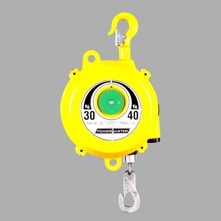
The use of spring balancers leads to better ergonomic conditions in workplace environments. The design of workplace ergonomics directly impacts the main aspects, which include employee productivity levels, their work safety, and their overall health status.
Table Of Content
Industrial workers need to work with heavy tools and equipment throughout their shifts, which leads to fatigue, physical strain, and potential workplace injuries. The needs of industrial environments require an industrial spring balancer as a critical solution. Spring balancers provide tool weight support, which enables smooth vertical movement to decrease the lifting, holding and equipment maneuvering effort required for tasks, which leads to safer and easier work performance.
Benefits Of Using Spring Balancers
- Ergonomics: The device helps workers maintain proper posture by supporting heavy tool weight, which reduces shoulder, back, and wrist strain in workers.
- Safety: The spring balancers maintain tool control, which prevents accidental drops or swings to create a safer work environment that reduces both accidents and equipment damage.
- Efficiency: The device provides users with accurate tool control and efficient vertical movement capabilities, which help them complete repetitive work tasks faster while improving their overall work performance.
- Productivity: The tool helps workers stay active for extended periods because it reduces their physical demands while maintaining their work output.
- Durability: The device provides protection for both workers and their equipment.
How Spring Balancers Integrate into Daily Operations
The installation process for industrial spring balancers requires minimal effort because their design supports multiple tool types. The balancer system handles the weight of all tools, which range from pneumatic drills to welding equipment, while enabling their natural operational movement. Workers need to apply minimal force for tool operations, which enables them to lift or lower the tool while the tool automatically returns to its starting point. The integration system enables employees to work effectively without having to battle with their operational equipment.
Choosing the Right Spring Balancer
The selection process for a proper spring balancer requires a detailed assessment of essential factors, including tool weight, stroke distance, and usage frequency. The equipment needs proper installation methods, together with continuous maintenance work, to maintain its operational performance and extend its lifespan. The correct spring balancer for industrial environments that use heavy tools and perform repetitive tasks decreases worker exhaustion while boosting productivity and creating safer work conditions.
Conclusion
The combination of spring balancers and I-beam trolley systems leads to better ergonomics. The I-beam provides a sturdy overhead track that allows the balancer to move horizontally along with the tool. This combination gives workers maximum freedom of movement, improves workflow efficiency, and reduces fatigue throughout the day.
Spring Balancers provides high-quality products, which include industrial spring balancers and I-beam trolley systems that deliver dependable performance while enhancing workplace safety and productivity.







No Comment! Be the first one.