


Smart Ways to Improve Home Heating and Cooling
Home heating and cooling affect comfort, indoor air quality, energy use, and long-term system performance. A well-maintained HVAC system can help keep rooms more consistent, reduce unnecessary energy...

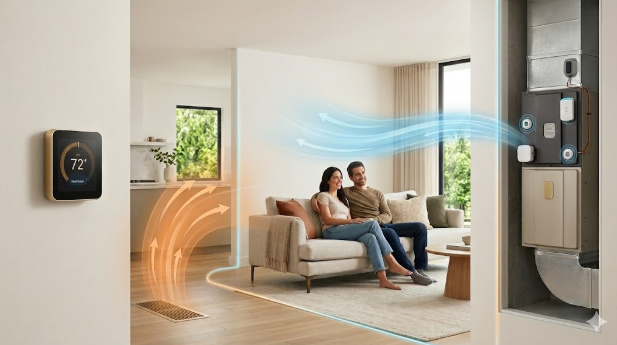
Home heating and cooling affect comfort, indoor air quality, energy use, and long-term system performance. A well-maintained HVAC system can help keep rooms more consistent, reduce unnecessary energy waste, and lower the chances of sudden breakdowns during extreme weather. For homeowners comparing heating and cooling services near New Braunfels, understanding basic efficiency practices can also make it easier to know when professional maintenance or upgrades may be needed.
Table Of Content
Why Heating and Cooling Efficiency Matters?
Heating and cooling systems are among the most important parts of a home because they run through hot summers, cooler winter nights, and changing seasonal conditions. When a system is inefficient, it often works longer than necessary, which can increase utility bills and place extra wear on equipment.
Efficiency is not only about the HVAC unit itself. It also depends on insulation, air leaks, duct condition, thermostat habits, filter cleanliness, and the age of the equipment. Dirty filters can slow airflow and make HVAC systems work harder, which wastes energy and may contribute to maintenance problems or early system failure.
Replace or Clean Air Filters Regularly
One of the simplest ways to support HVAC efficiency is to check air filters often, and hence you need to call heating and cooling services near New Braunfels. Filters collect dust, pollen, pet dander, and other particles that can block airflow when they become too dirty. Restricted airflow forces the system to run harder, making it less efficient and less effective at moving conditioned air through the home.
ENERGY STAR recommends checking filters every month during heavy-use seasons such as summer and winter, changing them when dirty, and replacing them at least every three months. Homes with pets, allergy concerns, or high dust levels may need more frequent filter changes. A clean filter also helps protect internal HVAC components from dirt buildup, which can reduce avoidable repair concerns over time.
Schedule Annual HVAC Maintenance
Routine maintenance helps keep heating and cooling equipment operating safely and efficiently. During a professional tune-up, technicians typically inspect electrical components, check system controls, clean key parts, review refrigerant levels where applicable, and look for signs of wear.
A yearly HVAC tune-up can improve comfort and efficiency in the same way regular vehicle maintenance can support fuel performance. Maintenance is especially useful before peak seasons, when systems are more likely to run for long hours. Catching minor issues early may help prevent larger failures during the hottest or coldest parts of the year.
Seal and Insulate Air Ducts
Ductwork plays a major role in home comfort because it moves heated or cooled air from the HVAC system to different rooms. If ducts have leaks, loose joints, or poor insulation, conditioned air can escape into attics, crawlspaces, garages, or wall cavities before reaching living areas.
Sealing and insulating ducts can improve heating and cooling system efficiency by as much as 20 percent, and sometimes more. Homeowners should pay particular attention to ducts located in unconditioned spaces, where temperature differences can make energy loss worse. Mastic sealant or metal-backed tape is commonly used to seal duct connections, followed by insulation where needed.
Use a Smart or Programmable Thermostat
Thermostat settings have a major effect on energy use. A smart or programmable thermostat allows homeowners to create schedules based on daily routines, so the system does not heat or cool an empty home as much as an occupied one.
Certified smart thermostats can provide convenience, energy savings, insight, and better control compared with manual or basic programmable thermostats. Some smart thermostats also track usage patterns and provide reminders for filter changes or system alerts. Even small temperature adjustments during sleeping hours or time away from home can support better efficiency over the year.
Improve Insulation and Air Sealing
A heating and cooling system can only perform well if the home holds conditioned air properly. Poor insulation, gaps around doors, old windows, attic leaks, and unsealed openings can let outdoor air enter and indoor air escape. This makes the HVAC system run longer to maintain the selected temperature.
Improving the home’s outer shell is often one of the most effective energy-efficiency steps. Chubb notes that homeowners should start with the building envelope, including walls, windows, and doors, before moving to interior energy improvements. Attics are especially important because heat transfer through the roof can make rooms hotter in summer and colder in winter.
Manage Sunlight and Indoor Heat
Cooling efficiency is also affected by how much heat enters the home during the day. In warm climates, direct sunlight through windows can raise indoor temperatures and make the air conditioner work harder. Closing blinds, using shades, adding exterior awnings, or planting shade trees near west-facing windows can help reduce heat gain.
The U.S. Department of Energy notes that insulation, efficient windows and doors, daylighting, shading, and ventilation can help keep homes cool with minimal air conditioning. Homeowners can also reduce indoor heat by using ovens, dryers, and dishwashers during cooler parts of the day when possible. These small habits can help reduce the cooling load during peak heat.
Know When Equipment Needs Evaluation
Even with good maintenance, HVAC systems do not last forever. Older units may lose efficiency, require more frequent repairs, or struggle to keep the home comfortable. If rooms stay uneven, energy bills rise without a clear reason, or the system runs constantly, it may be time for a professional evaluation.
ENERGY STAR recommends having HVAC equipment evaluated by a professional contractor if it is more than 10 years old or no longer keeps the home comfortable. If replacement is needed, proper installation is just as important as equipment quality. Improper installation can reduce system efficiency by up to 30 percent, which may increase utility costs and shorten equipment life.
Conclusion
Heating and cooling efficiency depends on consistent maintenance, clean filters, sealed ducts, proper insulation, smart thermostat use, and daily habits that reduce unnecessary system strain. Learning the ways to improve your home’s heating and cooling efficiency can help reduce waste, support better indoor comfort, and extend the useful life of HVAC equipment. Homeowners who want better comfort should begin with simple steps, then consider a professional inspection if the equipment is aging or performance is uneven.




No Comment! Be the first one.