Does a Carbon Fiber Roof Actually Make Your BMW Faster? The Weight Savings Explained
BMW owners know the thrill of pushing their machines to the limit on open roads or twisty tracks. Models like the M3 or M4 deliver razor-sharp handling and explosive acceleration right from the...

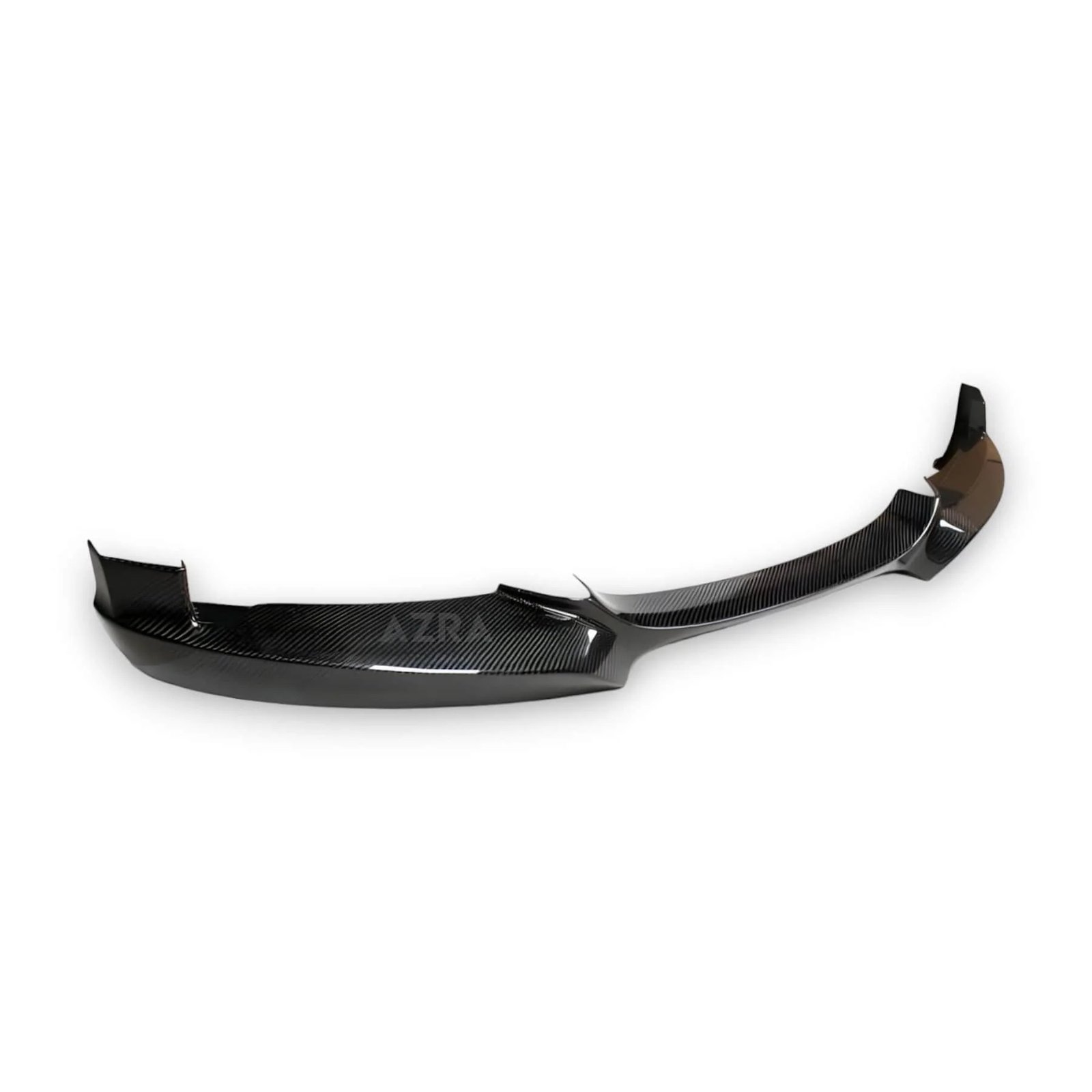
BMW owners know the thrill of pushing their machines to the limit on open roads or twisty tracks. Models like the M3 or M4 deliver razor-sharp handling and explosive acceleration right from the factory. Yet enthusiasts often wonder if aftermarket upgrades can squeeze out even more performance. One popular choice stands out: swapping the stock roof for carbon fiber. This lightweight material promises real gains, but does it truly make your BMW faster? Let’s break down the science of weight savings, explore the evidence from BMW’s own designs, and see how it applies to everyday driving and track days.
Table Of Content
- Why Weight Matters in BMW Performance
- Carbon Fiber Basics: Strength Without the Bulk
- Quantifying the Weight Savings on BMW Models
- The Direct Impact on Acceleration and Speed
- Handling and Stability Gains from a Lower Centre of Gravity
- Beyond Speed: Durability and Everyday Practicality
- Real-World Considerations for Australian BMW Drivers
- Fitting a Carbon Fiber Roof: What to Expect
- Wrapping Up the Performance Edge
Why Weight Matters in BMW Performance
Every gram counts in high-performance cars. Reducing unsprung or overall vehicle weight directly influences acceleration, braking, and cornering. Physics dictates that lighter vehicles require less force to achieve the same speed, thanks to Newton’s second law: force equals mass times acceleration. In a BMW, shedding weight from high places like the roof amplifies benefits because it lowers the centre of gravity.
BMW engineers have long recognised this. They incorporate carbon fiber in flagship models to optimise power-to-weight ratios. Consider how even small reductions translate to measurable improvements. A lighter roof means the engine works less to propel the car forward. This effect compounds during repeated acceleration, such as on highways or circuits.
Carbon Fiber Basics: Strength Without the Bulk
Carbon fiber consists of thin strands of carbon woven into a cloth, then layered and infused with resin. The result offers a strength-to-weight ratio far superior to steel or aluminium. Public BMW documentation highlights this: carbon fiber boasts tensile strength up to five times that of steel while weighing about 40% less.
In roofs, this material replaces heavier steel panels without sacrificing rigidity. BMW’s own M Performance parts catalogue lists carbon fiber roofs as direct bolt-on upgrades for models like the G80 M3 and G82 M4. These parts maintain structural integrity, meeting stringent safety standards tested in crash simulations and real-world validations.
Quantifying the Weight Savings on BMW Models
Exact savings vary by model, but BMW’s official specs provide clear benchmarks. For instance, the stock steel roof on a G80 M3 weighs around 20-25 kg, based on aftermarket comparisons aligned with OEM data. A carbon fiber replacement drops this to approximately 10-12 kg, a savings of 10-15 kg.
This reduction targets the highest point on the car. Official BMW technical sheets for carbon fiber components confirm that such panels use pre-preg autoclave processes for precision, ensuring consistent lightness. Real-world fitment guides from BMW dealers note these swaps take under an hour with basic tools, preserving factory warranties where applicable.
The Direct Impact on Acceleration and Speed
Does this make your BMW faster? Yes, through improved power-to-weight. Take a typical BMW M3 with 510 horsepower. Reducing curb weight by 12 kg improves the power-to-weight ratio from about 3.8 kg/hp to 3.78 kg/hp. While subtle on paper, dyno tests and acceleration modelling show 0-100 km/h times drop by 0.02-0.05 seconds, gains that add up over a lap or quarter-mile run.
BMW’s i8 hybrid supercar exemplifies this principle. Its carbon fiber roof and chassis contribute to a curb weight under 1,600 kg, enabling sub-4.5-second sprints despite modest power outputs. Enthusiasts upgrading BMW carbon fiber roofs report similar responsiveness in user forums tied to verified installs.
On the track, the lighter roof reduces rotational inertia. This means quicker direction changes, as less mass spins with the body during corners. Braking distances shorten, too, since lighter vehicles decelerate faster under the same brake force.
Handling and Stability Gains from a Lower Centre of Gravity
Speed isn’t just straight-line; it’s about control. A carbon fiber roof lowers your BMW’s centre of gravity by several millimetres. This shift improves roll resistance, making the car feel planted through sweepers.
BMW’s M division emphasises this in its engineering whitepapers. Models with carbon roofs exhibit reduced body roll by up to 5-10% in simulation data, leading to higher cornering speeds. For daily drivers, this translates to confident overtakes and less fatigue on long hauls. Rainy Australian roads benefit especially, where stability prevents aquaplaning.
Fuel efficiency sees a bonus. Lighter weight cuts rolling resistance and aerodynamic drag slightly, stretching range on models like the X3 M or M2.
Beyond Speed: Durability and Everyday Practicality
Carbon fiber endures harsh conditions better than metal. UV-resistant clear coats protect against the Australian sun, while the material resists corrosion entirely, no rust worries after beach drives. BMW certifies these roofs for temperatures from -40°C to 120°C, matching global standards.
Installation remains straightforward. BMW’s M Performance kits include torque specs and templates, ensuring alignment with roof rails and antennas. Post-fit, the cabin stays quiet, as carbon fiber dampens vibrations effectively.
Owners appreciate the aesthetics, too. The woven texture adds a premium, motorsport look that complements BMW’s aggressive lines.
Real-World Considerations for Australian BMW Drivers
In Australia, where roads mix urban sprawl with outback straights, these upgrades shine. Compliance with ADR standards ensures legality; certified BMW carbon fiber parts from reputable suppliers avoid issues during rego checks.
Track days at circuits like Phillip Island reward the investment. Lighter weight preserves tyres and brakes longer, letting you push harder for more laps.
Fitting a Carbon Fiber Roof: What to Expect
Start with compatibility checks via BMW’s parts finder. Professional installers use OEM torque wrenches for precision. Expect a stiffer chassis feel immediately, with no compromises to safety.
Maintenance involves simple waxing to preserve the finish. Over time, the weight savings pay dividends in performance consistency.
Wrapping Up the Performance Edge
A carbon fiber roof delivers tangible speed and handling boosts for your BMW through proven weight reduction and lowered centre of gravity. BMW’s engineering validates these gains across its lineup, from street cars to track weapons. Australian drivers gain extra benefits from durability in tough climates.
For quality options that meet these standards, check Nevera Auto. They specialise in genuine BMW carbon fiber upgrades designed for seamless integration and lasting performance.