


What Happens During a Professional Sewer Line Inspection
A professional sewer line inspection involves a step-by-step diagnostic process where trained plumbers use specialized tools like video camera scopes, pipe locators, and pressure testing to examine...

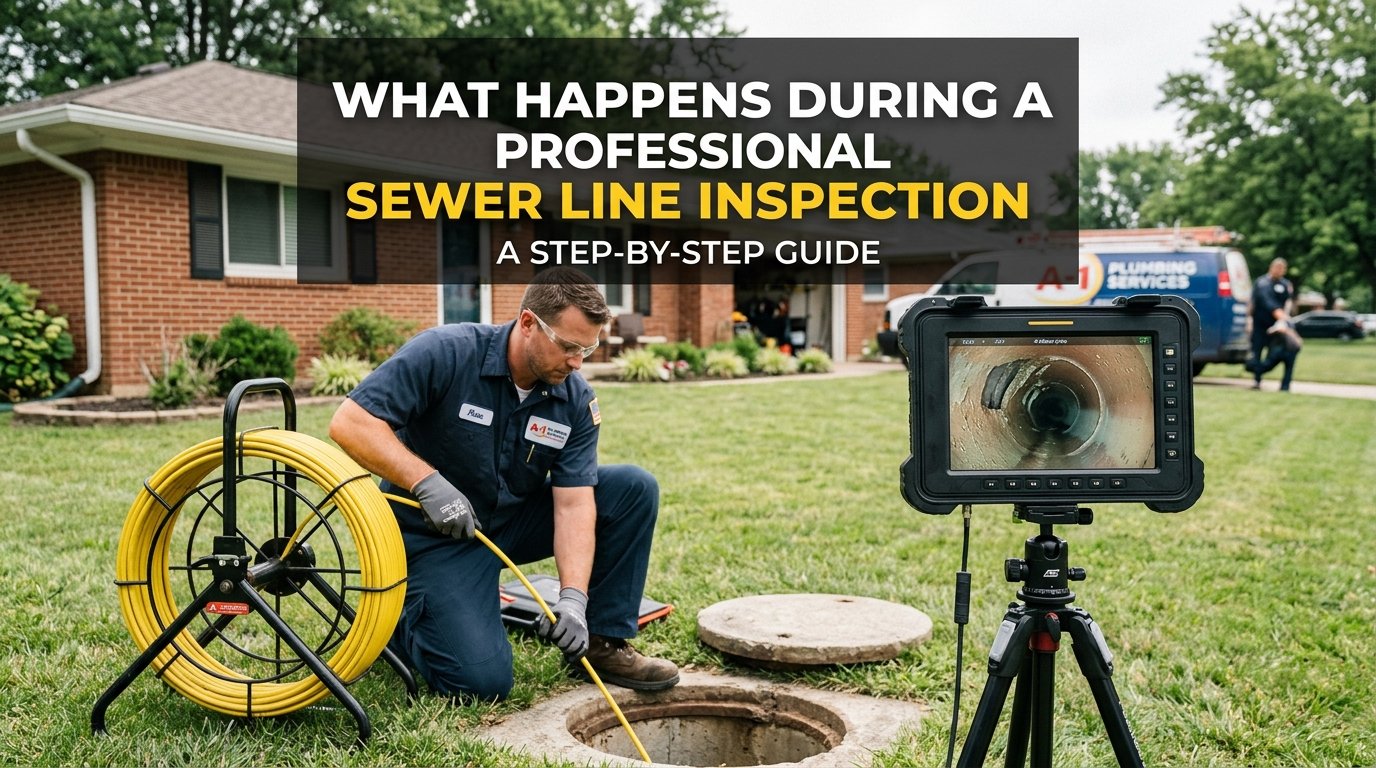
A professional sewer line inspection involves a step-by-step diagnostic process where trained plumbers use specialized tools like video camera scopes, pipe locators, and pressure testing to examine the condition of underground sewer pipes and identify blockages, cracks, root intrusion, or collapses. This inspection helps pinpoint the exact issue without unnecessary digging or guesswork. Homeowners experiencing slow drains, backups, or foul odors should rely on professional sewer line repair services to accurately diagnose and resolve sewer problems before they turn into costly emergencies.
Table Of Content
- Initial Assessment and Problem Discussion
- Locating the Sewer Line Access Point
- Video Camera Inspection of Sewer Pipes
- Mapping the Sewer Line Path
- Identifying Blockages and Their Causes
- Pressure Testing (If Needed)
- Assessing Pipe Condition and Material
- Providing Real-Time Feedback to Homeowners
- Detailed Inspection Report
- Repair Recommendations
- Why Sewer Inspections Are Important
- Importance of Professional Sewer Services
- Final Thoughts
Sewer line inspections are essential because most of the plumbing system is hidden underground, making it impossible to see what is happening inside the pipes. Unlike surface-level plumbing issues, sewer problems often develop silently over time until they cause serious backups or property damage.
A professional inspection provides a clear view of the system’s condition and helps homeowners understand exactly what is going wrong.
Initial Assessment and Problem Discussion
The inspection process usually begins with a discussion between the homeowner and the technician. This helps the plumber understand the symptoms and narrow down possible causes.
They may ask about:
- Frequency of drain backups
- Slow drainage in multiple fixtures
- Unusual smells coming from drains or yard
- Previous plumbing repairs or issues
- Any recent changes in water usage
This initial information helps guide the inspection process more efficiently.
Locating the Sewer Line Access Point
Before inserting any equipment, the technician identifies the main sewer cleanout or access point. This is typically located outside the home or in a basement or utility area.
The cleanout provides direct access to the main sewer line and allows the camera equipment to be inserted safely.
Video Camera Inspection of Sewer Pipes
One of the most important steps in a sewer inspection is the use of a specialized waterproof camera attached to a flexible cable. This camera is inserted into the sewer line to provide a real-time view of the inside of the pipes.
The camera inspection helps identify:
- Blockages caused by debris or grease
- Tree root intrusion inside pipes
- Cracks, leaks, or pipe corrosion
- Collapsed or misaligned pipe sections
- Build-up restricting water flow
The live video feed allows technicians to see exactly what is happening underground without excavation.
Mapping the Sewer Line Path
As the camera moves through the pipes, technicians often use a locator device to track its exact position underground. This helps map the sewer system and pinpoint problem areas.
This step is important for:
- Identifying the exact location of damage
- Reducing unnecessary digging
- Planning targeted repairs
- Understanding the layout of older systems
Accurate mapping ensures efficiency during repairs.
Identifying Blockages and Their Causes
During the inspection, technicians carefully analyze any blockages found in the sewer line. These blockages can have different causes depending on the condition of the system.
Common causes include:
- Grease and fat buildup
- Flushed non-degradable items
- Tree root intrusion
- Pipe collapse or sagging sections
- Accumulated debris over time
Understanding the cause helps determine the best repair method.
Pressure Testing (If Needed)
In some cases, pressure testing may be performed to confirm leaks or weaknesses in the sewer line. This involves sealing sections of the pipe and monitoring pressure levels to detect drops that indicate a leak.
Pressure testing helps identify:
- Hidden leaks not visible on camera
- Weak pipe joints
- Underground water loss
- Structural pipe damage
This step is especially useful for older plumbing systems.
Assessing Pipe Condition and Material
Technicians also evaluate the overall condition of the sewer pipes during inspection. This includes checking the material type and level of wear.
They look for:
- Cast iron corrosion
- Clay pipe cracking
- PVC joint failures
- General aging and deterioration
This helps determine whether repair or full replacement is needed.
Providing Real-Time Feedback to Homeowners
One of the benefits of modern sewer inspections is that homeowners can often view the camera feed in real time. This allows them to see exactly what the technician is seeing underground.
This transparency helps:
- Build trust in the diagnosis
- Improve understanding of the issue
- Support informed decision-making
- Avoid unnecessary repairs
Detailed Inspection Report
After completing the inspection, the technician provides a detailed report outlining their findings. This typically includes:
- Description of the problem
- Location of any damage or blockage
- Condition of the sewer line
- Recommended repair solutions
- Estimated urgency level
This report helps homeowners plan next steps clearly.
Repair Recommendations
Based on the inspection results, technicians may recommend different solutions such as:
- Drain cleaning or hydro-jetting
- Tree root removal
- Pipe patching or sectional repair
- Full sewer line replacement
The goal is always to provide the most efficient and cost-effective solution.
Why Sewer Inspections Are Important
Sewer line inspections are essential because they help detect hidden problems early before they become major emergencies. Without inspection, small issues can quickly escalate into serious damage.
Benefits include:
- Preventing sewage backups
- Reducing repair costs
- Extending pipe lifespan
- Avoiding unnecessary excavation
- Improving system efficiency
Importance of Professional Sewer Services
Because sewer systems are complex and hidden underground, professional inspection is the safest and most accurate way to diagnose problems. DIY methods cannot provide the same level of detail or precision.
For homeowners experiencing repeated drain issues or suspected sewer problems, these expert sewer line inspection and repair services offer reliable diagnostics and effective solutions to restore proper system function.
Final Thoughts
A professional sewer line inspection is a detailed and technology-driven process that helps identify hidden problems without guesswork or unnecessary digging. From video camera inspections to pressure testing and pipe mapping, every step is designed to pinpoint issues accurately.
By understanding what happens during the inspection, homeowners can feel more confident in the process and take timely action to protect their property from costly sewer damage.



No Comment! Be the first one.