


How Japan Is Strengthening Its Semiconductor Equipment Ecosystem
Japan’s semiconductor industry is once again becoming a focal point in the global technology landscape. As countries race to secure chip supply chains and expand domestic manufacturing capacity,...

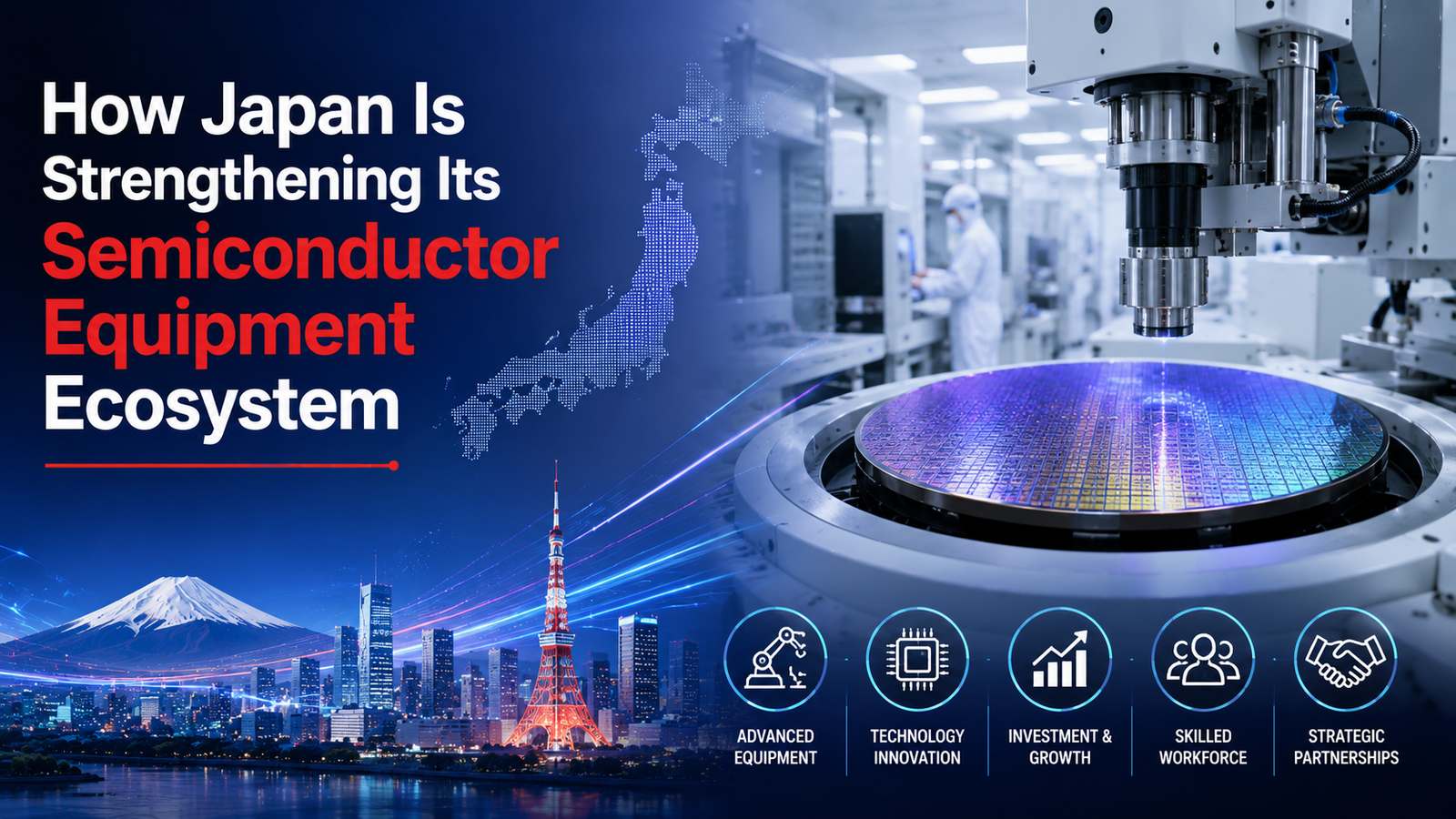
Japan’s semiconductor industry is once again becoming a focal point in the global technology landscape. As countries race to secure chip supply chains and expand domestic manufacturing capacity, Japan is increasing investments in semiconductor production infrastructure, advanced materials, and manufacturing technologies. The country’s long-standing expertise in precision engineering and electronics manufacturing continues to position it as a key contributor to the global semiconductor ecosystem.
Table Of Content
- Rising Demand for Advanced Chips Is Driving Equipment Expansion
- Government Support Is Accelerating Domestic Manufacturing
- Silicon Carbide and Advanced Materials Are Gaining Attention
- AI and Data Infrastructure Are Increasing Semiconductor Production Needs
- Automotive Electrification Is Supporting Long-Term Industry Growth
- Supply Chain Diversification Is Creating New Opportunities
- Technological Innovation Remains Central to Future Development
- Conclusion
The growing adoption of electric vehicles, artificial intelligence, cloud computing, and 5G-enabled devices is accelerating the need for advanced semiconductor manufacturing equipment across Japan. According to a recent Japan semiconductor manufacturing equipment study, the industry was valued at around USD 11.81 billion in 2024 and is projected to reach nearly USD 19.40 billion by 2030, expanding at a CAGR of approximately 8.63% during 2025–2030. This growth reflects increasing investments in wafer fabrication, lithography systems, and advanced chip production technologies.
Rising Demand for Advanced Chips Is Driving Equipment Expansion
The increasing complexity of semiconductor chips is directly influencing demand for advanced manufacturing equipment. Modern applications such as autonomous driving systems, industrial automation, and AI-based data processing require highly efficient and compact semiconductors. To support this demand, manufacturers are investing in sophisticated deposition, etching, and lithography technologies capable of producing smaller and more powerful chips.
Japan’s electronics and automotive sectors are playing a significant role in this transformation. The rapid integration of smart systems in vehicles and industrial operations is increasing semiconductor consumption, which in turn drives demand for fabrication equipment and cleanroom technologies. Industry organization SEMI has also highlighted Asia-Pacific’s growing dominance in semiconductor equipment spending due to expanding chip production capabilities across the region.
Government Support Is Accelerating Domestic Manufacturing
Japan’s government has introduced multiple initiatives aimed at strengthening domestic semiconductor manufacturing capabilities. These measures include financial incentives, subsidies for fabrication facilities, and strategic partnerships with international chipmakers. The objective is to reduce supply chain vulnerabilities while boosting national technological competitiveness.
Public-private collaborations are also supporting research and development activities related to next-generation semiconductor technologies. This includes advancements in advanced packaging, AI-driven chip design, and energy-efficient semiconductor production processes. Such initiatives are expected to improve the country’s manufacturing resilience and encourage long-term industrial growth.
Silicon Carbide and Advanced Materials Are Gaining Attention
One of the emerging trends within Japan’s semiconductor equipment landscape is the increasing use of silicon carbide and other advanced semiconductor materials. Silicon carbide-based semiconductors are becoming increasingly important for electric vehicles and high-power electronic systems due to their ability to improve energy efficiency and thermal performance.
The broader adoption of silicon carbide technologies is creating opportunities for specialized semiconductor manufacturing equipment capable of handling advanced materials. Industry developments in this segment are also influencing investment patterns in wafer processing and precision fabrication technologies. Research surrounding the global silicon carbide industry indicates rising adoption across automotive and industrial applications, further supporting demand for advanced semiconductor manufacturing systems.
AI and Data Infrastructure Are Increasing Semiconductor Production Needs
The rapid adoption of artificial intelligence is creating significant pressure on semiconductor supply chains worldwide. AI-driven applications require high-performance chips capable of handling large-scale data processing and machine learning operations. As a result, semiconductor manufacturers are increasing investments in fabrication capacity and advanced equipment.
Japan is benefiting from this trend due to its established manufacturing ecosystem and technological expertise. The increasing demand for AI chips, cloud infrastructure, and high-performance computing systems is supporting equipment upgrades across fabrication facilities. Insights from the artificial intelligence chip industry also highlight Asia-Pacific as a major growth region for advanced semiconductor technologies.
Automotive Electrification Is Supporting Long-Term Industry Growth
Japan’s automotive sector remains one of the strongest drivers of semiconductor demand. Electric vehicles, hybrid systems, and advanced driver assistance technologies rely heavily on semiconductors for battery management, connectivity, and sensor integration. This transition toward intelligent mobility solutions are increasing the requirement for advanced semiconductor manufacturing capabilities.
Automotive semiconductor production requires highly specialized manufacturing processes to ensure reliability and performance under demanding operating conditions. As automakers continue investing in electrification and autonomous technologies, semiconductor equipment suppliers are expected to experience sustained demand for precision manufacturing systems.
Supply Chain Diversification Is Creating New Opportunities
Global semiconductor supply disruptions over recent years have encouraged countries and companies to diversify manufacturing locations and strengthen regional supply chains. Japan is emerging as a strategic destination for semiconductor investments because of its stable industrial infrastructure, skilled workforce, and strong materials ecosystem.
Several global technology companies are increasing collaboration with Japanese manufacturers to secure reliable access to semiconductor components and production technologies. This trend is expected to support local equipment suppliers, materials manufacturers, and precision engineering firms involved in semiconductor production.
Technological Innovation Remains Central to Future Development
Innovation continues to shape the evolution of Japan’s semiconductor manufacturing equipment sector. Emerging technologies such as extreme ultraviolet lithography, advanced packaging, and AI-assisted manufacturing are influencing how semiconductor facilities operate. Equipment manufacturers are increasingly focusing on automation, precision control, and energy efficiency to improve production performance.
The development of next-generation semiconductor technologies will likely require continued investment in research infrastructure, talent development, and cross-industry collaboration. Japan’s established expertise in robotics, electronics, and materials science provides a strong foundation for supporting these advancements over the coming years.
Conclusion
Japan’s semiconductor manufacturing equipment ecosystem is evolving alongside global demand for advanced electronics, AI systems, and electric mobility technologies. Government initiatives, investments in advanced materials, and growing semiconductor demand across automotive and industrial applications are collectively strengthening the country’s manufacturing landscape.
As global industries increasingly rely on advanced semiconductors for digital transformation, Japan’s role in semiconductor equipment production is expected to remain strategically important. The country’s focus on innovation, precision manufacturing, and supply chain resilience continues to support its position within the rapidly evolving semiconductor industry.






No Comment! Be the first one.