


Fence Post Installation Explained: Your Most Asked Questions Answered
A strong and durable fence begins with proper fence post installation. Without secure posts, even the highest-quality panels will fail over time. For homeowners planning a new fence or upgrading an...

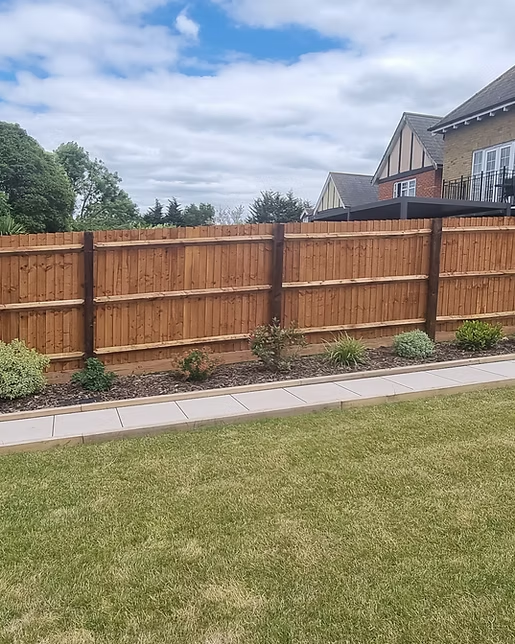
A strong and durable fence begins with proper fence post installation. Without secure posts, even the highest-quality panels will fail over time. For homeowners planning a new fence or upgrading an existing boundary, understanding the basics of installation is essential. This FAQ-style guide answers the most common questions about fence post installation, while also covering key aspects of fencing installation and garden fence installation UK projects.
Table Of Content
- What is fence post installation and why is it important?
- What types of fence posts are available?
- How deep should fence posts be installed?
- What is the best method for setting fence posts?
- How far apart should fence posts be spaced?
- Can fence post installation be done without professional help?
- How long does fence post installation take?
- What factors affect the durability of fence posts?
- How can fence posts be protected from rot?
- What are common mistakes to avoid during installation?
- Is planning permission required for fence installation in the UK?
- Why choose Rayleigh Fencing for your project?
- Conclusion
- FAQ
- How deep should fence posts be installed in the UK?
- What is the best material for fence posts?
- How long do fence posts last?
- Can fence posts be replaced without changing the whole fence?
- What is the ideal spacing for fence posts?
- Why is professional installation recommended?
What is fence post installation and why is it important?
Fence post installation refers to the process of setting vertical posts into the ground to support fencing panels or boards. These posts act as the backbone of any fencing structure. A poorly installed post can lead to leaning fences, instability, and costly repairs.
Proper installation ensures:
- Long-term durability
- Resistance to strong winds and weather
- A neat and professional appearance
For any fencing installation, investing time and effort into correct post placement is critical.
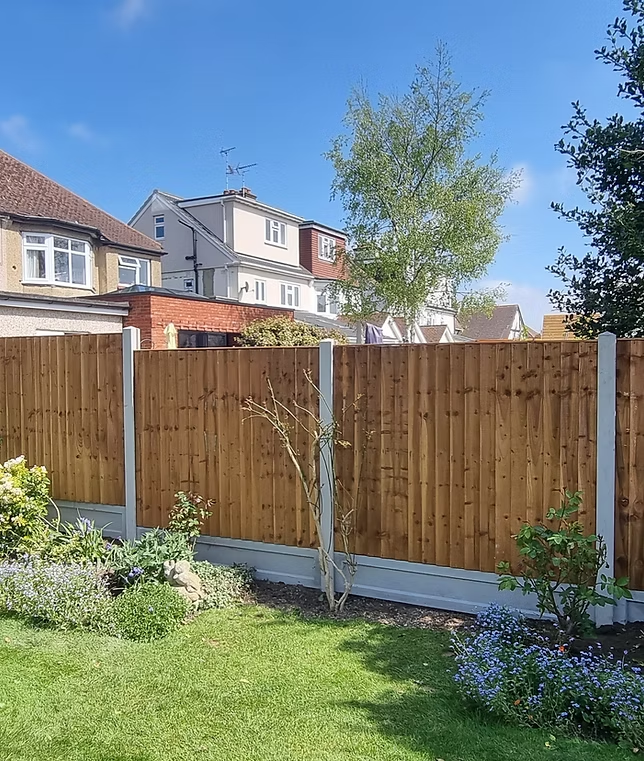
What types of fence posts are available?
Choosing the right type of post is a key step in fence post installation. Common options include:
Wooden Posts
Traditional and widely used in garden fence installation UK, timber posts offer a natural look. Pressure-treated wood improves lifespan.
Concrete Posts
Highly durable and resistant to rot, concrete posts are ideal for long-term fencing installation projects.
Metal Posts
Lightweight yet strong, metal posts are often used for modern or decorative fencing designs.
Each type has advantages, and the choice depends on budget, design preference, and environmental conditions.
How deep should fence posts be installed?
Depth plays a crucial role in successful fence post installation. As a general rule, posts should be installed at a depth of at least one-third of the total post height. For example, a 6-foot fence typically requires a post depth of around 2 feet.
In garden fence installation UK, deeper installation may be necessary due to soil conditions and weather exposure. Proper depth ensures stability and prevents movement over time.
What is the best method for setting fence posts?
There are several methods used in fence post installation, including:
Concrete Setting
Posts are secured using concrete for maximum strength. This method is widely recommended for permanent fencing installation.
Post Mix
A quicker alternative to traditional concrete, post mix sets rapidly and is commonly used in residential projects.
Driven Posts
In softer ground, posts can be driven directly into the soil using specialised tools.
Each method offers different benefits, but concrete setting remains the most reliable for long-lasting results.
How far apart should fence posts be spaced?
Correct spacing is essential in fence post installation. Typically, posts are placed 6 to 8 feet apart, depending on the type of fence panels used.
Accurate spacing ensures:
- Even weight distribution
- Structural stability
- A consistent and attractive finish
In garden fence installation UK, spacing may vary based on design preferences and panel sizes.
Can fence post installation be done without professional help?
While some homeowners attempt DIY fence post installation, achieving professional results requires skill and precision. Mistakes such as uneven alignment or incorrect depth can lead to long-term issues.
Hiring experts like Rayleigh Fencing ensures:
- Accurate measurements
- Proper tools and materials
- High-quality workmanship
Professional support often saves time and prevents costly repairs in the future.
How long does fence post installation take?
The time required for fence post installation depends on the size of the project and ground conditions. For an average garden, installation can take one to two days.
Larger fencing installation projects may require additional time, especially when concrete setting is involved.
What factors affect the durability of fence posts?
Several factors influence the lifespan of fence post installation, including:
- Soil type and drainage
- Weather exposure
- Quality of materials
- Installation technique
In garden fence installation UK, choosing weather-resistant materials and ensuring proper drainage significantly improves durability.
How can fence posts be protected from rot?
Rot is a common issue in timber fence post installation. Preventative measures include:
- Using pressure-treated wood
- Applying protective coatings
- Installing gravel at the base for drainage
Concrete posts are a popular alternative in fencing installation due to resistance to rot and moisture.
What are common mistakes to avoid during installation?
Avoiding errors is key to successful fence post installation. Common mistakes include:
- Installing posts too shallow
- Incorrect spacing
- Poor alignment
- Skipping concrete reinforcement
Attention to detail ensures a strong and visually appealing fence.
Is planning permission required for fence installation in the UK?
In most cases, garden fence installation UK does not require planning permission. However, there are exceptions based on height and location.
For example:
- Fences over 2 metres high may require approval
- Restrictions may apply near roads or listed properties
Checking local regulations before starting any fencing installation project is always recommended.
Why choose Rayleigh Fencing for your project?
A reliable contractor makes a significant difference in the success of any fencing project. Rayleigh Fencing offers expert services in fence post installation, ensuring precision and durability.
Benefits include:
- Professional installation techniques
- High-quality materials
- Tailored solutions for every garden
With experience in garden fence installation UK, every project is completed to a high standard.
Conclusion
Understanding the essentials of fence post installation helps ensure a strong and long-lasting fence. From selecting the right materials to achieving proper depth and spacing, every step plays a vital role in overall performance.
Whether planning a small garden upgrade or a full fencing installation, investing in quality workmanship is key. With expert support from Rayleigh Fencing, any outdoor space can benefit from secure, stylish, and durable fencing.
FAQ
How deep should fence posts be installed in the UK?
Fence posts should generally be installed at least one-third of the post height into the ground for stability.
What is the best material for fence posts?
Concrete posts are the most durable, while timber offers a natural look for garden fence installation UK.
How long do fence posts last?
With proper fence post installation, posts can last 10–25 years depending on material and maintenance.
Can fence posts be replaced without changing the whole fence?
Yes, individual posts can be replaced if damaged, helping extend the life of the fence.
What is the ideal spacing for fence posts?
Most fencing installation projects use spacing of 6 to 8 feet between posts.
Why is professional installation recommended?
Professional services like Rayleigh Fencing ensure correct alignment, depth, and durability, reducing the risk of future issues.





No Comment! Be the first one.