


What Causes Acne on Face: Symptoms, Triggers, and Effective Management
Discover what causes acne on the face, common symptoms, key triggers, and effective management tips to achieve clearer, healthier skin.

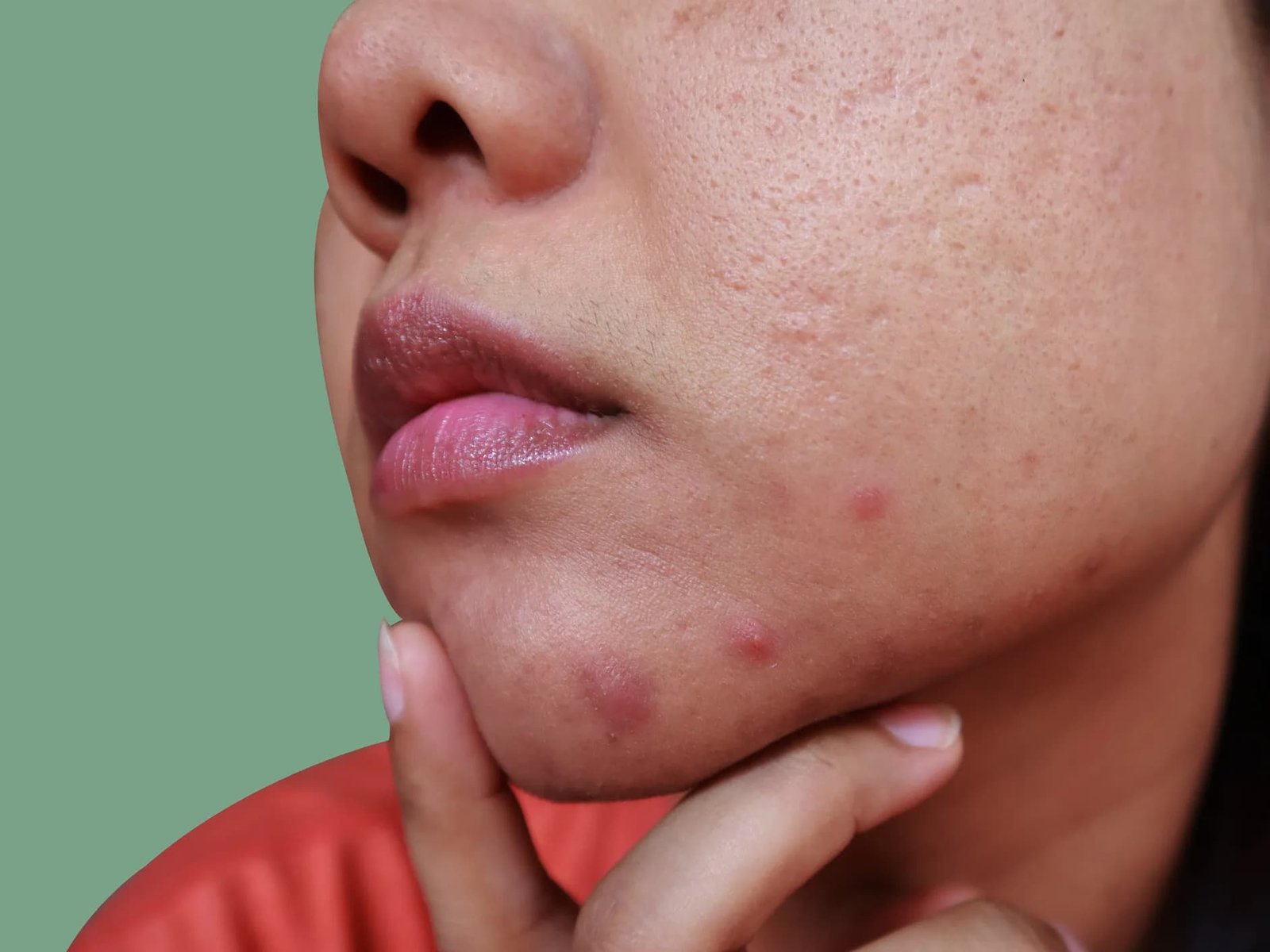
Acne on the face is a common skin condition that affects people of all ages. It occurs when hair follicles become clogged with oil, dead skin cells, and bacteria. Understanding the causes, triggers, and treatment options is essential for clear skin, improved confidence, and long-term skin health.
Understanding Facial Acne and How It Develops on Your Skin
Facial acne develops when sebaceous glands produce excess oil (sebum), which mixes with dead skin cells and clogs hair follicles. This environment allows bacteria called Propionibacterium acnes to thrive, causing inflammation, redness, and pimples. Acne can appear as blackheads, whiteheads, papules, pustules, or cysts, depending on severity.
Hormonal changes, stress, genetics, and environmental factors can exacerbate acne. While common during adolescence, adult acne is increasingly frequent, particularly among women. Understanding the biological process behind acne helps guide prevention strategies and appropriate treatment plans for healthier skin.
Common Symptoms of Acne on the Face That You Should Not Ignore
Acne symptoms can range from mild to severe. Common signs include blackheads (open clogged pores), whiteheads (closed clogged pores), inflamed red bumps, pus-filled pimples, and painful cysts or nodules in severe cases. Acne may also cause skin irritation, itching, or tenderness in affected areas.
Some individuals may experience acne scarring, hyperpigmentation, or uneven skin texture over time. Early identification and treatment of acne can reduce the risk of scarring, improve skin appearance, and prevent psychological effects like low self-esteem or social anxiety.
Hormonal Changes and Imbalances That Trigger Facial Acne
Hormonal fluctuations are a major cause of facial acne, particularly during puberty, menstruation, pregnancy, or menopause. Androgens, male hormones present in both men and women, stimulate excess oil production, increasing the risk of clogged pores.
Women may experience cyclical acne linked to menstrual cycles or polycystic ovary syndrome (PCOS). Hormonal acne often appears around the jawline, chin, and lower cheeks. Recognizing the hormonal influence allows for targeted treatments, such as topical retinoids, oral contraceptives, or hormonal therapy under a dermatologist’s supervision.
How Diet, Lifestyle, and Stress Contribute to Acne Development
Diet and lifestyle can influence facial acne. High glycemic foods, dairy products, and sugary snacks may exacerbate breakouts in some individuals. Poor sleep, excessive stress, and smoking can also trigger inflammation and worsen acne.
Stress increases cortisol production, which stimulates oil glands and heightens skin sensitivity. Maintaining a balanced diet, managing stress through mindfulness, getting sufficient sleep, and staying hydrated can reduce flare-ups and support overall skin health.
Environmental and Skincare Factors That Lead to Acne on Face
External factors can contribute to acne development. Pollution, humidity, and exposure to dirt can clog pores and trigger inflammation. Using comedogenic skincare products, heavy makeup, or harsh cleansers may also worsen acne.
Frequent touching of the face, poor hygiene of phone screens, and excessive scrubbing can irritate skin. Choosing non-comedogenic, gentle skincare products, washing the face twice daily, and avoiding picking at pimples helps prevent acne progression and reduce scarring.
Medical Conditions and Medications That Can Cause Acne
Certain medical conditions and medications can lead to facial acne. Polycystic ovary syndrome (PCOS), adrenal disorders, and insulin resistance may cause hormonal imbalances triggering acne.
Medications such as steroids, lithium, anticonvulsants, or certain hormonal treatments can also result in breakouts. Consulting a dermatologist for evaluation ensures that underlying causes are identified, and treatment strategies address both acne and contributing conditions effectively.
Treatment Options for Facial Acne: Medications and Lifestyle Approaches
Treating facial acne requires a combination of topical, oral, and lifestyle interventions. Topical treatments may include benzoyl peroxide, salicylic acid, retinoids, or antibiotic creams. Oral medications like antibiotics, hormonal therapy, or isotretinoin are used for moderate to severe acne.
Lifestyle measures include gentle cleansing, avoiding comedogenic products, managing stress, maintaining a balanced diet, and staying hydrated. Early treatment reduces inflammation, prevents scarring, and improves skin appearance. Consistent care and dermatologist guidance are crucial for optimal results.
Preventive Measures to Reduce the Risk of Facial Acne
Preventing acne focuses on skin hygiene, lifestyle adjustments, and identifying triggers. Wash the face twice daily with a gentle cleanser, avoid touching the face, and keep makeup brushes and phone screens clean.
Avoid excessive sun exposure, maintain a healthy diet, manage stress, and ensure proper hydration. Understanding personal triggers, such as specific foods, hormonal changes, or environmental factors, can help minimize breakouts and maintain long-term skin health.
Book Online Appointment With the Best Dermatologist via Instacare
For persistent or severe facial acne, booking an online appointment with a qualified dermatologist through Instacare ensures expert evaluation and tailored treatment. Dermatologists can identify acne type, underlying causes, and recommend appropriate medications, topical treatments, or procedures such as chemical peels or laser therapy.
Online appointments provide convenience, save travel time, and ensure timely management. Early consultation can prevent scarring, improve skin appearance, and provide ongoing guidance for acne prevention and maintenance, making Instacare an effective choice for professional skin care.
Conclusion
Facial acne is a common but manageable skin condition. Understanding its symptoms, hormonal and lifestyle triggers, medical causes, and treatment options is essential for clear, healthy skin.
Combining effective skincare routines, dietary adjustments, stress management, and timely dermatologist consultation can control acne and prevent long-term scarring. Early intervention, consistent care, and professional guidance help maintain radiant skin and boost confidence for individuals of all ages.
Frequently Asked Questions (FAQs)
1. Can acne on the face be completely cured?
Acne can be controlled effectively, but complete cure may not always be possible. Early treatment prevents scarring and reduces severity.
2. Why do adults get acne even after puberty?
Adult acne can result from hormonal fluctuations, stress, diet, medications, or underlying medical conditions like PCOS.
3. Are home remedies effective for facial acne?
Home remedies may help mild acne, but dermatologist-guided treatments are more effective for moderate or severe cases.
4. Can diet alone cause acne?
Certain high-glycemic or dairy-rich foods can trigger breakouts in some people, but diet is usually one of multiple contributing factors.
5. How long does it take to see improvement after starting acne treatment?
Visible results typically appear within 4–8 weeks, though severe acne may require several months of consistent treatment.






No Comment! Be the first one.