


Compression Knee Sleeves: Complete Guide to Support and Relief
Discover the benefits of Compression Knee Sleeves for joint support, pain relief, and enhanced mobility. Learn how to choose and use them effectively. Knee discomfort is a common challenge, whether...

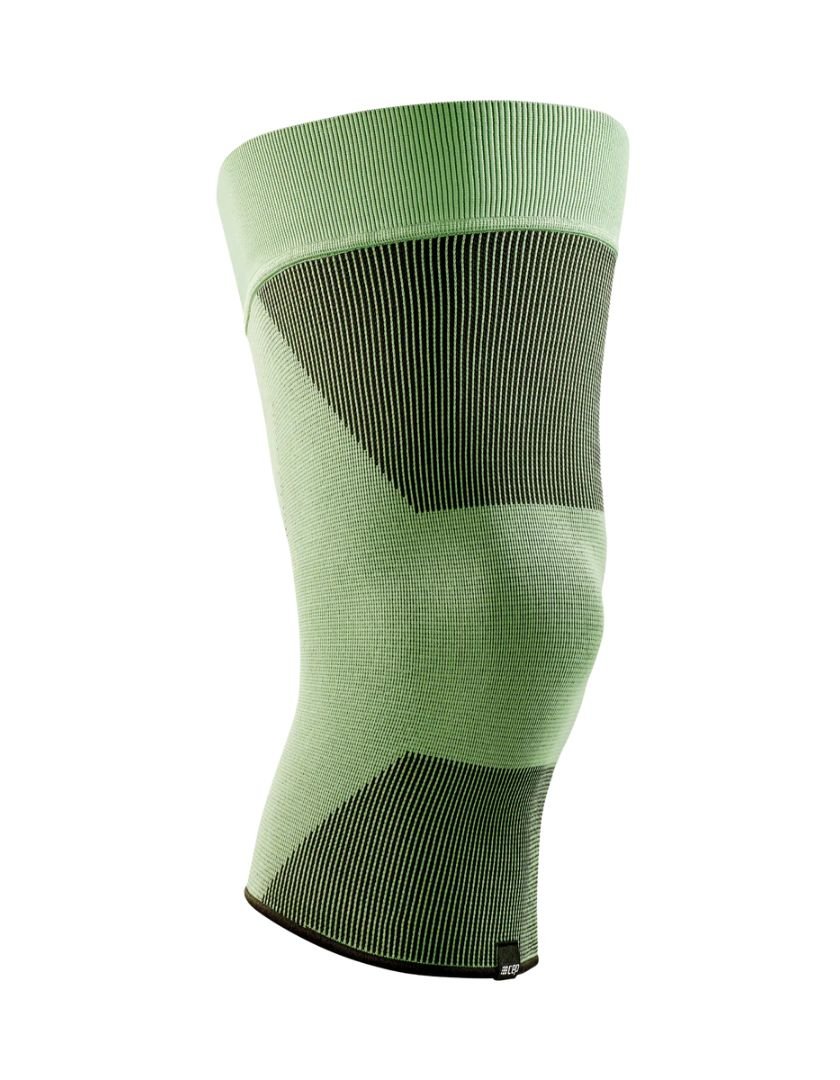
Discover the benefits of Compression Knee Sleeves for joint support, pain relief, and enhanced mobility. Learn how to choose and use them effectively.
Table Of Content
Knee discomfort is a common challenge, whether from sports, workouts, or daily activities. A reliable way to manage this is through Compression Knee Sleeves, which provide targeted support, reduce strain, and promote recovery. This guide covers everything you need to know, from benefits and proper usage to choosing the right pair for your needs.
What Are Compression Knee Sleeves?
Compression knee sleeves are snug-fitting supports made from elastic materials like neoprene or spandex. They wrap around the knee, providing gentle pressure to improve circulation, reduce swelling, and stabilize the joint. Unlike rigid braces, sleeves allow a full range of motion while delivering therapeutic support.
Key points:
- Designed to provide consistent compression around the knee joint.
- Improve blood flow and oxygenation, aiding recovery.
- Can reduce pain and swelling from overuse or minor injuries.
By wearing them during workouts, sports, or everyday movement, they can help prevent injury while supporting existing knee conditions.
Benefits of Using Compression Knee Sleeves
Compression knee sleeves offer a variety of benefits that make them a valuable tool for anyone dealing with knee discomfort.
Pain Relief and Swelling Reduction:
The compression gently squeezes the tissues around your knee, which can reduce inflammation and relieve pain caused by arthritis, tendonitis, or minor injuries.
Joint Support and Stability:
While allowing full mobility, sleeves provide structural support, helping your knee stay aligned during physical activity. This is particularly useful for runners, weightlifters, and athletes in dynamic sports.
Improved Circulation:
By promoting blood flow, these sleeves help remove metabolic waste and deliver nutrients, accelerating recovery after strenuous activities.
Confidence in Movement:
With the knee stabilized, you can move with confidence without worrying about sudden twists or strains.
Comfort and Convenience:
Lightweight and breathable, most compression sleeves are suitable for long wear, unlike bulky braces.
How to Choose the Right Compression Knee Sleeves
Selecting the right sleeve is essential for maximizing benefits and comfort. Consider these factors:
1. Material:
- Neoprene offers warmth and firm compression.
- Spandex blends provide flexibility and breathability.
2. Size and Fit:
- Measure the circumference above and below the knee.
- A sleeve should be snug but not restrict blood flow.
3. Compression Level:
- Mild (10–15 mmHg) for everyday support.
- Moderate (15–20 mmHg) for athletic activity.
- High (20–30 mmHg) for post-injury recovery.
4. Activity Purpose:
- Choose thicker sleeves for high-impact sports.
- Opt for lightweight versions for daily wear or desk jobs.
Proper fit ensures that the sleeve works effectively without causing discomfort or slipping.
How to Wear Compression Knee Sleeves Correctly
Wearing compression knee sleeves properly enhances their effectiveness:
Step-by-Step Guide:
- Pull the sleeve up gently, aligning the center with your kneecap.
- Ensure even compression; avoid wrinkles or folds.
- Move around to confirm comfort and stability.
- Remove periodically if wearing long-term to prevent skin irritation.
Tips for Daily Use:
- Start with short periods and gradually increase wear time.
- Pair with gentle stretching and strengthening exercises for best results.
- Keep sleeves clean and dry to maintain elasticity.
Compression Knee Sleeves for Sports and Workouts
Athletes often rely on compression knee sleeves to enhance performance and prevent injuries:
Running:
- Reduce impact stress on joints.
- Improve proprioception, helping you sense knee position.
Weightlifting:
- Provide support during squats, lunges, and leg presses.
- Enhance joint stability under heavy loads.
Cycling:
- Maintain warmth in cooler environments.
- Reduce discomfort during long rides.
Team Sports:
- Aid in quick lateral movements in basketball, soccer, or volleyball.
- Reduce risk of ligament strains.
These sleeves are lightweight, flexible, and allow for high mobility, making them ideal for athletes.
Caring for Your Compression Knee Sleeves
Proper maintenance extends the life and effectiveness of your sleeves:
- Wash with mild detergent and cold water.
- Air dry; avoid machine drying which can damage elasticity.
- Inspect regularly for wear, thinning, or tears.
- Replace when compression weakens to maintain support.
A well-maintained sleeve provides consistent performance and hygiene benefits.
Choosing Between Knee Sleeves and Braces
While both serve knee support, there are key differences:
Knee Sleeves:
- Soft, flexible, and lightweight.
- Provide compression and mild stability.
- Suitable for daily activities and workouts.
Knee Braces:
- Rigid or hinged designs for serious injuries.
- Offer strong support for ligament recovery.
- Often bulkier and less suitable for continuous wear.
For mild pain, joint discomfort, or athletic performance, compression sleeves are often the preferred choice.
Frequently Asked Questions
What conditions can compression knee sleeves help with?
They are effective for mild arthritis, tendonitis, swelling, overuse injuries, and general knee discomfort. They help reduce pain and improve mobility.
Can I wear compression knee sleeves all day?
Yes, but start gradually. Wearing them for 2–4 hours initially allows your skin and circulation to adjust. Remove periodically for comfort.
Do compression knee sleeves prevent injuries?
They can reduce strain and provide stability, lowering the risk of minor injuries, especially during exercise or sports. They are not a substitute for proper technique.
How do I know the correct size?
Measure 2–3 inches above and below the knee. Compare measurements with the manufacturer’s sizing chart. The sleeve should fit snugly without restricting circulation.
Can I wash compression knee sleeves in a washing machine?
Most sleeves can be hand-washed with mild detergent and air-dried. Machine washing may weaken the elastic fibers and reduce compression over time.
Are compression knee sleeves suitable for running?
Yes. They help stabilize the knee, reduce swelling, and support the joint during long runs or high-impact activities.
Conclusion
Compression knee sleeves are a practical and effective solution for managing knee pain, supporting joint stability, and enhancing performance. By choosing the right fit, wearing them correctly, and maintaining them, you can experience significant relief and confidence in daily activities and sports. Investing in a quality pair can make a noticeable difference in comfort, mobility, and recovery. For the best options, check out Compression Knee Sleeves designed for maximum support and durability.




No Comment! Be the first one.