


10 Effective Hair Fall Treatment for Men Options to Restore Stronger, Healthier Hair
Hair loss is one of the most common concerns men face today. While losing a few strands every day is completely normal, excessive hair shedding can affect confidence, appearance, and self-esteem....

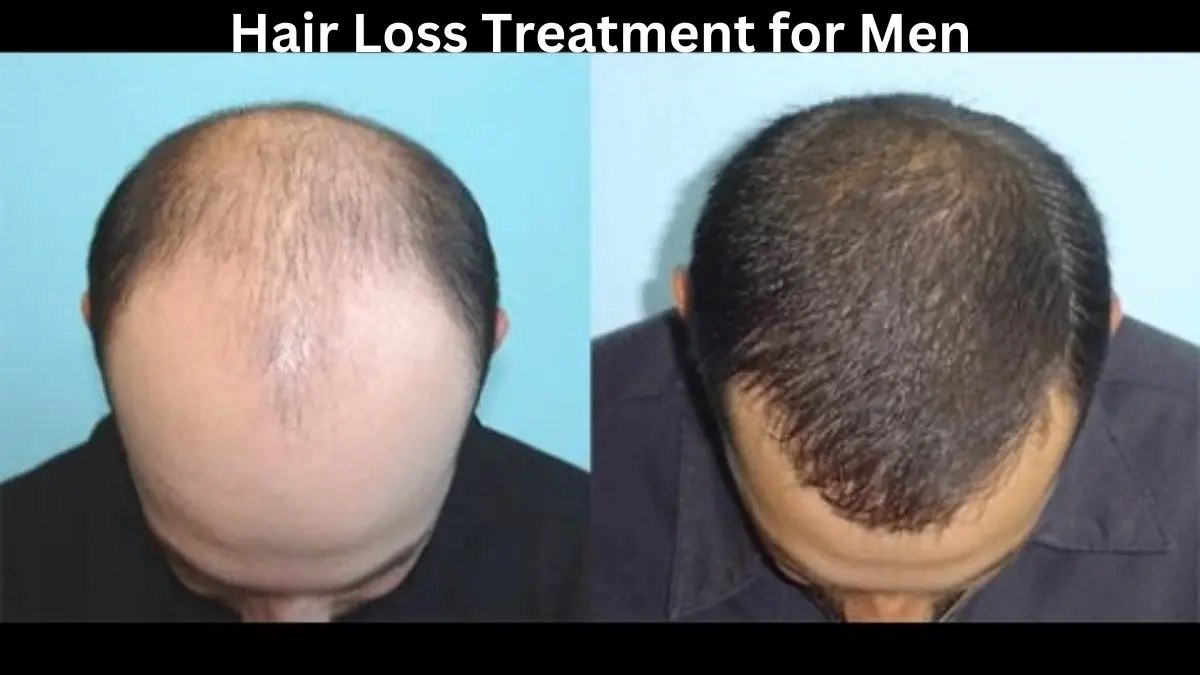
Hair loss is one of the most common concerns men face today. While losing a few strands every day is completely normal, excessive hair shedding can affect confidence, appearance, and self-esteem. Fortunately, there are many solutions available that can slow down hair loss, encourage regrowth, and improve overall hair health.
If you are searching for the best hair fall treatment for men, you are not alone. Millions of men experience thinning hair, receding hairlines, and bald spots due to genetics, stress, poor diet, hormonal changes, or medical conditions. The good news is that modern treatments can help restore stronger, healthier hair when used consistently.
In this guide, we will explore the most effective hair fall treatment for men options available today. From lifestyle changes to advanced medical procedures, these treatments can help you take control of hair loss and improve your confidence.
Table Of Content
- Understand the Root Cause of Hair Fall
- Improve Your Diet for Healthier Hair Growth
- Use Medicated Hair Growth Products
- Massage Your Scalp Regularly
- Reduce Stress to Prevent Hair Loss
- Try Natural Oils and Home Remedies
- Consider Hair Transplant Procedures
- Avoid Harsh Hair Products and Styling Habits
- Exercise Regularly for Better Hair Health
- Consult a Hair Specialist for Personalized Advice
- Final Thoughts
Understand the Root Cause of Hair Fall
Before choosing a hair fall treatment for men, it is important to understand why hair loss happens in the first place. Hair fall can occur due to several reasons, including genetics, hormonal imbalances, stress, poor scalp health, nutritional deficiencies, and certain medications.
Male pattern baldness is one of the leading causes of hair loss in men. This condition is often hereditary and is linked to a hormone called DHT, which can shrink hair follicles over time. As a result, hair becomes thinner and weaker until the follicles stop producing new hair.
In addition, lifestyle factors such as smoking, poor sleep, excessive alcohol consumption, and unhealthy eating habits can also contribute to hair fall. Therefore, identifying the root cause can help you choose the right treatment and avoid wasting time on ineffective products.
Improve Your Diet for Healthier Hair Growth
Your diet plays a major role in hair health. Hair follicles need essential nutrients to stay strong and continue producing healthy strands. If your body lacks vitamins and minerals, your hair may become weak, dry, and prone to breakage.
One of the best natural hair fall treatment for men methods is to include protein-rich foods in your daily diet. Hair is made mostly of keratin, which is a type of protein. Foods like eggs, fish, lean meat, nuts, seeds, and beans can support healthy hair growth.
In addition, vitamins such as biotin, vitamin D, iron, zinc, and omega-3 fatty acids are important for maintaining strong hair. Leafy vegetables, fruits, dairy products, and whole grains can help nourish your scalp and reduce hair shedding.
Moreover, staying hydrated is equally important. Drinking enough water helps improve blood circulation to the scalp and supports healthy hair follicles.
Use Medicated Hair Growth Products
Many men choose medicated products as their first hair fall treatment for men solution. These products are designed to slow down hair loss and stimulate regrowth.
One of the most widely used options is topical minoxidil. This treatment is applied directly to the scalp and can help improve blood flow to hair follicles. As a result, it may encourage hair growth and slow down thinning.
Another popular treatment is finasteride, which is an oral medication that helps reduce DHT levels in the body. Since DHT is responsible for shrinking hair follicles, lowering it can help preserve existing hair and reduce further hair loss.
However, it is important to remember that these treatments require consistency. Most men need to use them for several months before seeing noticeable results. In addition, stopping treatment may lead to hair loss returning.
Massage Your Scalp Regularly
Scalp massage is a simple yet effective way to support healthy hair growth. Regular massage can improve blood circulation, reduce stress, and help nourish hair follicles.
When blood flow increases to the scalp, hair follicles receive more oxygen and nutrients. This can create a healthier environment for hair growth. In addition, scalp massage may help reduce tension, which is often linked to stress-related hair fall.
You can massage your scalp using your fingertips for five to ten minutes each day. For even better results, you can use natural oils such as coconut oil, rosemary oil, castor oil, or argan oil.
Although scalp massage may not reverse severe hair loss on its own, it can be a useful addition to any hair fall treatment for men routine.
Reduce Stress to Prevent Hair Loss
Stress is a major factor behind hair loss in many men. When the body experiences physical or emotional stress, it can push hair follicles into a resting phase. As a result, hair may begin to shed more than usual.
Long-term stress can also affect hormone levels, sleep quality, and eating habits, all of which can worsen hair loss. Therefore, managing stress is an important step in any hair fall treatment for men plan.
There are many ways to reduce stress naturally. Exercise, meditation, deep breathing, yoga, and spending time outdoors can all help improve mental health and lower stress levels.
In addition, getting enough sleep is essential. Your body repairs itself during sleep, and healthy sleep patterns can support stronger hair growth over time.
Try Natural Oils and Home Remedies
Natural oils and home remedies are popular among men who want a gentler approach to hair care. While they may not deliver instant results, they can improve scalp health and strengthen existing hair.
Coconut oil is one of the most common options because it deeply moisturizes the scalp and reduces protein loss in hair strands. Rosemary oil is another popular choice because it may help improve circulation and support hair growth.
Onion juice is often used as a home remedy because it contains sulfur, which can help strengthen hair follicles. Aloe vera is also beneficial because it soothes the scalp and reduces dandruff, irritation, and dryness.
Although natural remedies can be useful, they work best when combined with a complete hair fall treatment for men strategy that includes proper nutrition, scalp care, and medical guidance if needed.
Consider Hair Transplant Procedures
For men with severe hair loss, a hair transplant may be the most effective long-term solution. Hair transplant procedures involve moving healthy hair follicles from one part of the scalp to areas where hair is thinning or missing.
Two of the most common procedures are FUT and FUE. FUT involves removing a strip of scalp from the donor area, while FUE removes individual hair follicles. Both methods can produce natural-looking results when performed by an experienced specialist.
Hair transplants have become more advanced in recent years, and many men now choose this option to restore their hairline and confidence. However, it is important to understand that hair transplants can be expensive and may require recovery time.
Even after a transplant, maintaining good scalp health and following a proper hair fall treatment for men routine can help protect your results.
Avoid Harsh Hair Products and Styling Habits
Many men unknowingly damage their hair through poor grooming habits. Harsh shampoos, excessive heat styling, tight hairstyles, and chemical treatments can weaken hair and increase breakage.
To protect your hair, choose mild shampoos that are free from sulfates and harsh chemicals. Avoid washing your hair too often, as this can strip away natural oils and dry out the scalp.
In addition, try to avoid using very hot water when washing your hair. Heat can weaken hair strands and make them more likely to break. Instead, use lukewarm water and gently pat your hair dry with a towel.
Simple changes in your daily routine can make a big difference in the success of your hair fall treatment for men efforts.
Exercise Regularly for Better Hair Health
Exercise is not only good for your body but also beneficial for your hair. Regular physical activity improves blood circulation, reduces stress, and supports hormonal balance.
When you exercise, your body delivers more oxygen and nutrients to your scalp. This can help strengthen hair follicles and improve overall hair quality. In addition, exercise can reduce stress hormones that may contribute to hair loss.
Cardio exercises, strength training, yoga, and outdoor activities can all help improve hair health. Even a daily walk can make a difference when combined with a healthy diet and proper scalp care.
Therefore, including regular exercise in your routine can be an effective and natural hair fall treatment for men strategy.
Consult a Hair Specialist for Personalized Advice
Although there are many treatments available, not every solution works for every man. Hair loss can be caused by different factors, which is why professional advice is often the best way to find the right treatment.
A dermatologist or hair specialist can examine your scalp, review your medical history, and recommend the most effective hair fall treatment for men based on your specific needs. They may also suggest blood tests to check for nutritional deficiencies or hormone imbalances.
In some cases, hair loss may be linked to underlying health conditions such as thyroid problems, anemia, or autoimmune disorders. Therefore, seeking expert advice can help you address the real cause of hair fall and improve your chances of success.
Final Thoughts:
Hair loss can be frustrating, but it does not have to define your appearance or confidence. With the right combination of treatments, healthy habits, and professional guidance, you can slow down hair fall and support stronger, healthier hair.
Whether you choose medicated products, natural remedies, dietary improvements, or advanced procedures, consistency is the key to success. The sooner you start, the better your chances of preserving your hair and achieving noticeable results.
Most importantly, remember that every man’s hair journey is different. Finding the right hair fall treatment for men may take time, but with patience and the right approach, healthier hair is possible.






No Comment! Be the first one.