


Insurance Agent Background Check for Compliance Risk
In the United States insurance industry, regulatory expectations for producer licensing and compliance management continue to increase. Insurance agencies, carriers, and MGAs must maintain accurate...

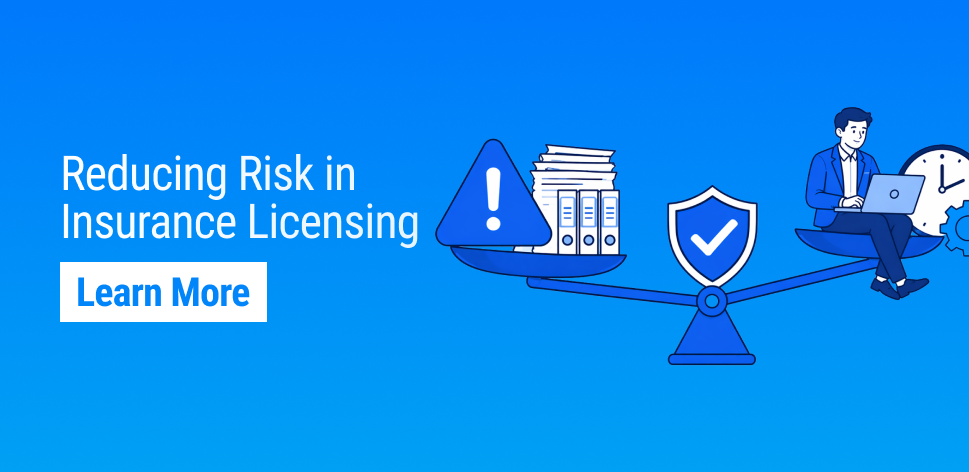
In the United States insurance industry, regulatory expectations for producer licensing and compliance management continue to increase. Insurance agencies, carriers, and MGAs must maintain accurate oversight of licensing records, carrier appointments, and producer activity across multiple states.An insurance agent background check is a key part of this compliance structure. It helps organizations verify whether insurance producers meet licensing standards, appointment requirements, and regulatory conditions before they begin operating under a carrier.As insurance operations expand across jurisdictions, compliance teams often face increased administrative burden due to fragmented systems and manual tracking processes.
Table Of Content
Expanding Compliance Demands in Insurance Licensing
Insurance licensing is not a one-time activity. It requires continuous monitoring of producer status, renewal cycles, and state-specific regulations.Industry regulations require insurance carriers to verify producer eligibility before issuing carrier appointments. This ensures that only properly licensed individuals can represent insurance products.
An insurance agent background check typically supports verification of:
- Active licensing status
- State compliance eligibility
- Appointment readiness
- Regulatory standing
- Renewal timelines
- Producer documentation accuracy
In multi-state operations, maintaining consistency becomes more complex as each jurisdiction follows different compliance rules.
Administrative Challenges in Producer Management
Compliance teams often struggle with operational inefficiencies caused by disconnected data systems.Many organizations still rely on spreadsheets or manual workflows to manage licensing records. This increases the chance of missing critical compliance updates.
License Tracking Complexity
Regulatory requirements vary across states, making license renewal tracking difficult without centralized systems.
Appointment Verification Delays
Carrier appointment approval depends on accurate and updated producer records. Any delay can impact onboarding timelines.
Fragmented Producer Records
When producer data is spread across multiple platforms, compliance teams must manually reconcile inconsistencies.Many insurance organizations today are shifting toward centralized insurance compliance systems to reduce these inefficiencies.
Role of Insurance Automation in Compliance Efficiency
Modern insurance organizations increasingly adopt insurance automation to streamline licensing and appointment workflows.
Automation reduces manual effort by consolidating compliance processes into a single system, improving visibility and accuracy.
A typical compliance workflow includes:
- Verify insurance agent background check results
- Confirm producer licensing status
- Validate carrier appointment eligibility
- Monitor state compliance requirements
- Track renewal deadlines
- Generate audit-ready reports
This structured approach helps reduce operational delays and improves regulatory readiness.
Platforms like Agenzee, an insurance compliance software and producer licensing management system, support centralized workflows for license tracking, appointment tracking, and producer management in regulated environments.

Importance of Centralized Producer Oversight
Insurance organizations operating in multi-state environments must maintain accurate and real-time visibility into producer data.
What creates compliance risk?
- Missed license renewals
- Manual data entry errors
- Delayed appointment updates
- Lack of centralized reporting
- Inconsistent producer records
Modern compliance frameworks recommend centralized systems for managing producer code tracking, licensing data, and carrier appointment workflows.
Many carriers today use insurance automation tools to improve compliance accuracy and reduce operational burden.
Conclusion
An insurance agent background check plays an essential role in strengthening insurance compliance and reducing licensing risk across agencies, carriers, and MGAs.As regulatory requirements continue to evolve, manual systems become less efficient for managing producer licensing and appointment workflows. Organizations must ensure accurate tracking, timely renewals, and centralized visibility across all compliance operations.Insurance automation platforms like Agenzee help insurance organizations streamline producer management, improve license tracking, and reduce administrative burden in regulated environments.





No Comment! Be the first one.