


When Should You Consider Getting a Lipoma Checked?
Know when a lipoma needs medical attention. Discover symptoms, expert advice, and lipoma removal treatment in London.

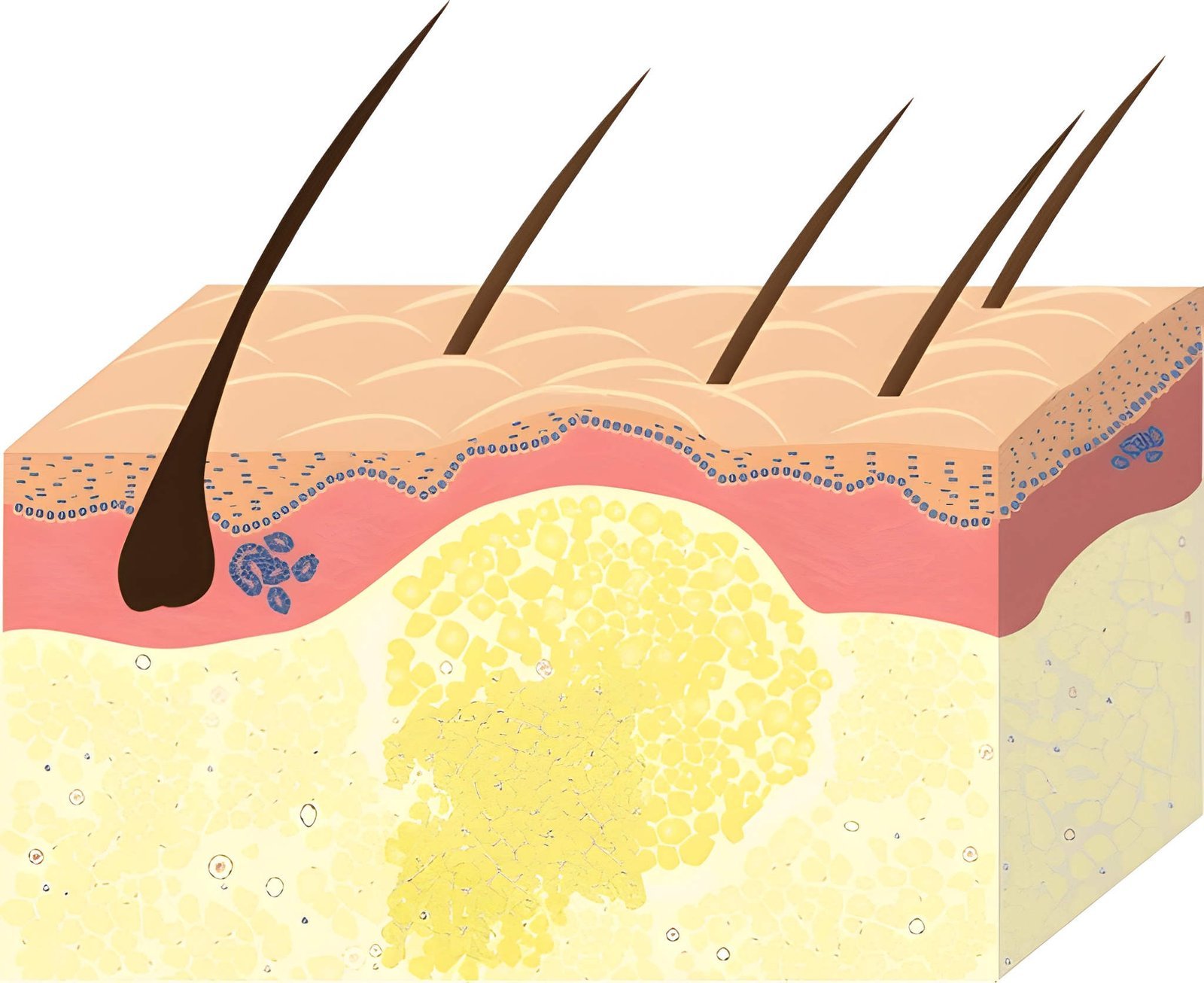
Noticing a small lump under your skin can feel unsettling, even if it doesn’t hurt. Many people discover a lipoma by chance and choose to ignore it, especially when it seems harmless at first.
Table Of Content
- What Is a Lipoma?
- Is It Always Necessary to Get It Checked?
- Signs You Should Get a Lipoma Checked
- Why Early Evaluation Matters
- What Happens During a Check-Up?
- When Removal Might Be Recommended
- Benefits of Acting at the Right Time
- FAQs
- When should I get a lipoma checked?
- Is every lump a lipoma?
- Can a lipoma become serious?
- Is checking a lipoma painful?
- Can I wait before seeing a doctor?
- Final Thoughts
In the early stages, a lipoma often doesn’t cause any discomfort. Because of this, it’s easy to delay getting it checked. However, understanding when a simple lump needs medical attention can help you avoid future problems.
Many individuals visit a Harley Street dermatology clinic in London for a proper assessment, especially when they want clarity and reassurance about a growing or changing lump.
What Is a Lipoma?
A lipoma is a non-cancerous lump made of fat cells that develops just under the skin. It is one of the most common types of soft tissue growths.
- Soft and smooth to the touch: Lipomas usually feel gentle and slightly squishy when pressed.
- Slow-growing in nature: They tend to develop gradually over time rather than appearing suddenly.
- Movable under the skin: You can often feel it shift slightly when touched.
- Usually painless: Most lipomas do not cause discomfort unless they grow larger.
- Common body areas: Frequently found on the back, shoulders, neck, arms, or thighs.
“Understanding your body helps you recognise when something needs attention.”
Is It Always Necessary to Get It Checked?
Not every lipoma requires immediate medical attention, but ignoring it completely is not always the best approach.
- Small and stable lipomas: These may simply need monitoring over time.
- No discomfort or pressure: If it doesn’t affect daily life, urgency may be low.
- No visible growth: A lipoma that stays the same size is less concerning.
Even in these cases, an initial check can provide peace of mind and confirm the diagnosis.
Signs You Should Get a Lipoma Checked
Certain changes can indicate that it’s time to seek professional advice.
- Noticeable increase in size: If the lump becomes bigger over weeks or months, it should be evaluated.
- Pain or discomfort develops: Pressure on nearby tissues can lead to soreness.
- Change in texture or shape: Any unusual changes should not be ignored.
- Restriction in movement: Lipomas near joints can interfere with daily activities.
- Frequent irritation: Rubbing against clothing can cause ongoing discomfort.
- Sudden appearance of a lump: A new lump should always be checked for safety.
“Small changes can be early signals, don’t overlook them.”
Why Early Evaluation Matters
Getting a lipoma checked early can make a big difference in how it is managed.
- Confirms the diagnosis clearly: Ensures the lump is a lipoma and not another condition.
- Tracks growth over time: Helps identify whether it is stable or changing.
- Prevents unnecessary worry: Knowing what it is can reduce anxiety.
- Allows timely treatment if needed: Early action often leads to simpler solutions.
- Supports better outcomes: Early care usually means easier procedures and recovery.
Early evaluation is not about urgency; it’s about being informed and prepared.
What Happens During a Check-Up?
A professional consultation is usually simple.
- Physical examination: The doctor checks the size, shape, and movement of the lump.
- Discussion of symptoms: You may be asked about pain, growth, or discomfort.
- Further tests, if needed: Imaging or scans may be recommended in some cases.
- Treatment advice: Based on findings, you’ll receive guidance on next steps.
This process helps you understand your condition clearly.
When Removal Might Be Recommended
In some situations, removing the lipoma becomes the better option.
- It continues to grow steadily over time
- It causes discomfort or pressure
- It affects your daily movement or routine
- It becomes more visible and affects confidence
- You prefer to have it removed for peace of mind
People considering lipoma removal treatment in London often choose removal when the lipoma starts interfering with comfort or daily life.
Benefits of Acting at the Right Time
Taking action when needed can make the process easier and more comfortable.
- Simpler procedures for smaller lipomas: Early treatment is usually less complex.
- Faster recovery time: Healing tends to be quicker with early removal.
- Less discomfort overall: Prevents the lipoma from becoming bothersome.
- Better cosmetic results: Smaller removals often leave minimal marks.
- Improved peace of mind: Knowing the issue is resolved reduces stress.
“Timely decisions lead to smoother outcomes.”
FAQs
When should I get a lipoma checked?
If it grows, becomes painful, or changes in any way.
Is every lump a lipoma?
No, which is why professional evaluation is important.
Can a lipoma become serious?
Most are harmless, but changes should always be assessed.
Is checking a lipoma painful?
No, it usually involves a simple physical examination.
Can I wait before seeing a doctor?
You can monitor it, but any changes should be checked promptly.
Final Thoughts
Lipomas are usually harmless, but knowing when to get them checked is important. While many remain stable, some can grow or cause discomfort over time.
Paying attention to changes and seeking professional advice when needed helps you stay in control of your health. Whether you choose to monitor or treat it, making an informed decision ensures the best outcome.






No Comment! Be the first one.