


Plain Wedding Bands: Timeless Elegance, Styles, Metals & Buying Guide
When it comes to wedding jewelry, trends may shift every year, but simplicity never goes out of style. Plain wedding bands remain one of the most meaningful and enduring choices for couples who value...

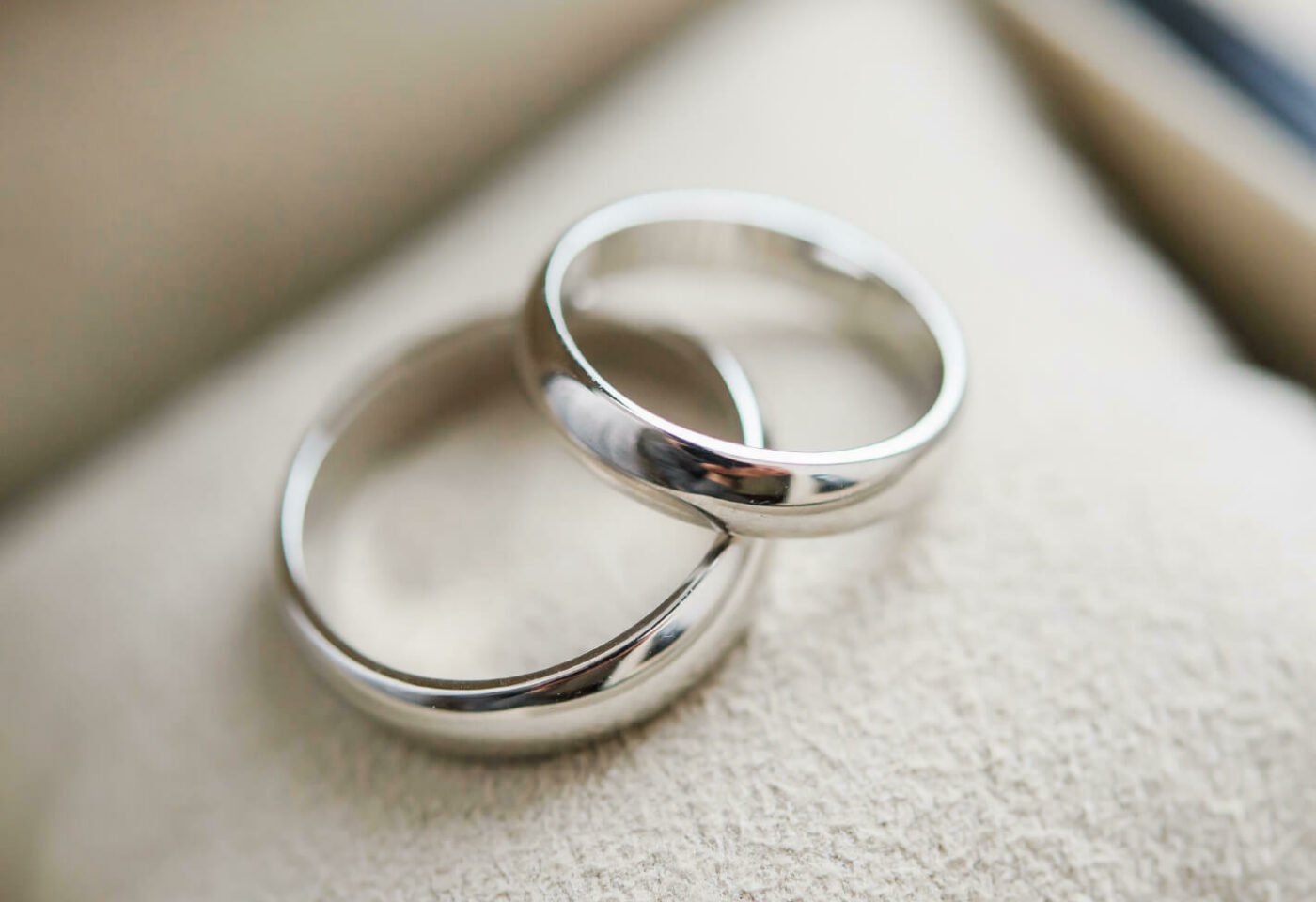
When it comes to wedding jewelry, trends may shift every year, but simplicity never goes out of style. Plain wedding bands remain one of the most meaningful and enduring choices for couples who value tradition, elegance, and practicality. They are understated, refined, and designed to last a lifetime without relying on diamonds or elaborate details.
Table Of Content
- Why Plain Wedding Bands Never Go Out of Style
- Popular Metals Used in Plain Wedding Bands
- 1. Gold (Yellow, White, and Rose)
- 2. Platinum
- 3. Palladium
- 4. Titanium
- 5. Tungsten
- Understanding Width and Thickness
- Finishes That Enhance Plain Wedding Bands
- Plain Wedding Bands for Men and Women
- For Men
- For Women
- Matching Plain Wedding Bands as a Couple
- Comfort and Everyday Wear
- Budget Considerations
- How to Choose the Right Size
- Maintenance and Care Tips
- Ethical and Sustainable Options
- Are Plain Wedding Bands Right for You?
- Final Thoughts
If you are searching for a ring that represents commitment in its purest form, this guide will walk you through everything you need to know before making a decision.
Why Plain Wedding Bands Never Go Out of Style
Minimal design carries powerful symbolism. A smooth circular band represents eternity, unity, and an unbroken promise. That meaning has remained consistent across cultures and generations.
There are several reasons couples continue to choose plain wedding bands:
- Timeless appeal that does not follow short-term trends
- Versatility that pairs well with engagement rings or stands alone
- Comfort for everyday wear
- Low maintenance compared to stone-set rings
- Professional and subtle appearance
Many people appreciate jewelry that feels natural rather than flashy. A clean band can reflect confidence and commitment without distraction.
Popular Metals Used in Plain Wedding Bands
The metal you choose affects durability, appearance, price, and long-term maintenance. Each option offers distinct benefits.
1. Gold (Yellow, White, and Rose)
Gold remains the most traditional choice. It is available in different karats such as 10K, 14K, and 18K.
- Yellow gold offers a classic, warm tone.
- White gold delivers a modern, polished look.
- Rose gold provides a romantic, soft blush finish.
Gold is durable but may scratch over time. Many couples appreciate the character that develops with wear.
2. Platinum
Platinum is heavier and naturally white in color. It does not require rhodium plating like white gold. It is highly durable and hypoallergenic, making it ideal for sensitive skin.
Although platinum costs more upfront, its longevity makes it a long-term investment.
3. Palladium
Similar in color to platinum but lighter in weight, palladium offers durability at a slightly lower price point. It is also resistant to tarnish.
4. Titanium
Titanium is extremely lightweight and strong. It is scratch-resistant and modern in appearance. However, resizing can be more difficult compared to gold or platinum.
5. Tungsten
Tungsten is known for its strength and scratch resistance. It maintains a polished finish for years. The trade-off is that it cannot be resized easily.
Choosing the right metal depends on lifestyle, budget, and personal preference.
Understanding Width and Thickness
Ring width changes the overall look significantly. Common widths range from 2mm to 8mm.
- 2mm to 4mm – Delicate and subtle, often preferred for smaller hands.
- 5mm to 6mm – Balanced and versatile.
- 7mm to 8mm – Bold and statement-like without stones.
Thickness also matters. A thicker band feels substantial but may take time to adjust to. Comfort-fit interiors can make wider rings easier to wear daily.
Finishes That Enhance Plain Wedding Bands
Even without stones, subtle finishing details create visual interest. Popular finishes include:
- High polish: Reflective and shiny
- Matte: Soft and understated
- Brushed or satin: Textured and modern
- Hammered: Slightly rugged and handcrafted look
These small details allow customization while keeping the design minimal.
Plain Wedding Bands for Men and Women
Although many styles are unisex, subtle differences often exist in preference.
For Men
Men often choose wider bands with brushed or matte finishes. Metals like tungsten, titanium, and platinum are common for durability and weight.
For Women
Women may select slimmer bands that stack well with engagement rings. Yellow gold and rose gold are especially popular choices.
That said, modern couples are moving away from traditional gender expectations. Comfort and personal taste matter more than labels.
Matching Plain Wedding Bands as a Couple
Some couples prefer identical bands, while others choose variations in width or finish while keeping the same metal.
Here are common approaches:
- Same metal, different widths
- Same design, different finishes
- Coordinated but not identical styles
Matching rings can symbolize unity, but individuality should still feel respected.
Comfort and Everyday Wear
A wedding band is typically worn every day, so comfort is essential. Consider the following:
- Comfort-fit interior: Rounded inside edges reduce friction.
- Lifestyle compatibility: If you work with your hands, scratch resistance matters.
- Skin sensitivity: Hypoallergenic metals like platinum reduce irritation.
Try wearing different widths for several minutes in-store to see how they feel during movement.
Budget Considerations
Prices vary depending on metal type, weight, and brand reputation.
- Gold pricing depends on karat and market rates.
- Platinum costs more due to density and rarity.
- Alternative metals like tungsten and titanium are more affordable.
Setting a clear budget beforehand prevents overspending while still allowing flexibility.
How to Choose the Right Size
Sizing accuracy is critical. Fingers change slightly depending on temperature and time of day.
Tips for accurate sizing:
- Measure when hands are at normal temperature.
- Avoid sizing when fingers are swollen.
- Visit a professional jeweler if possible.
Remember that some metals can be resized easily, while others cannot.
Maintenance and Care Tips
Even simple rings require care to maintain their shine.
- Clean regularly with mild soap and warm water.
- Avoid harsh chemicals.
- Remove during heavy manual work if possible.
- Schedule professional polishing when needed.
Proper care keeps plain wedding bands looking refined for decades.
Ethical and Sustainable Options
More couples now consider ethical sourcing. Look for:
- Recycled gold
- Conflict-free metal sourcing
- Responsible mining certifications
Sustainable jewelry does not compromise beauty or durability.
Are Plain Wedding Bands Right for You?
If you appreciate clean design and lasting symbolism, they may be the perfect choice. They work well for:
- Minimalist personalities
- Active lifestyles
- Couples who prefer subtle elegance
- Individuals who value tradition
On the other hand, if you enjoy sparkle or decorative detailing, you might prefer a band with stones or engraving.
Final Thoughts
Choosing a wedding ring is deeply personal. While elaborate designs come and go, plain wedding bands continue to represent commitment in its purest form. Their simplicity is their strength. They pair easily with any style, suit every occasion, and age gracefully over time.
When selecting your ring, focus on metal quality, comfort, width, and lifestyle compatibility. A well-chosen band will not only look beautiful on your wedding day but will remain meaningful through every milestone ahead.



No Comment! Be the first one.