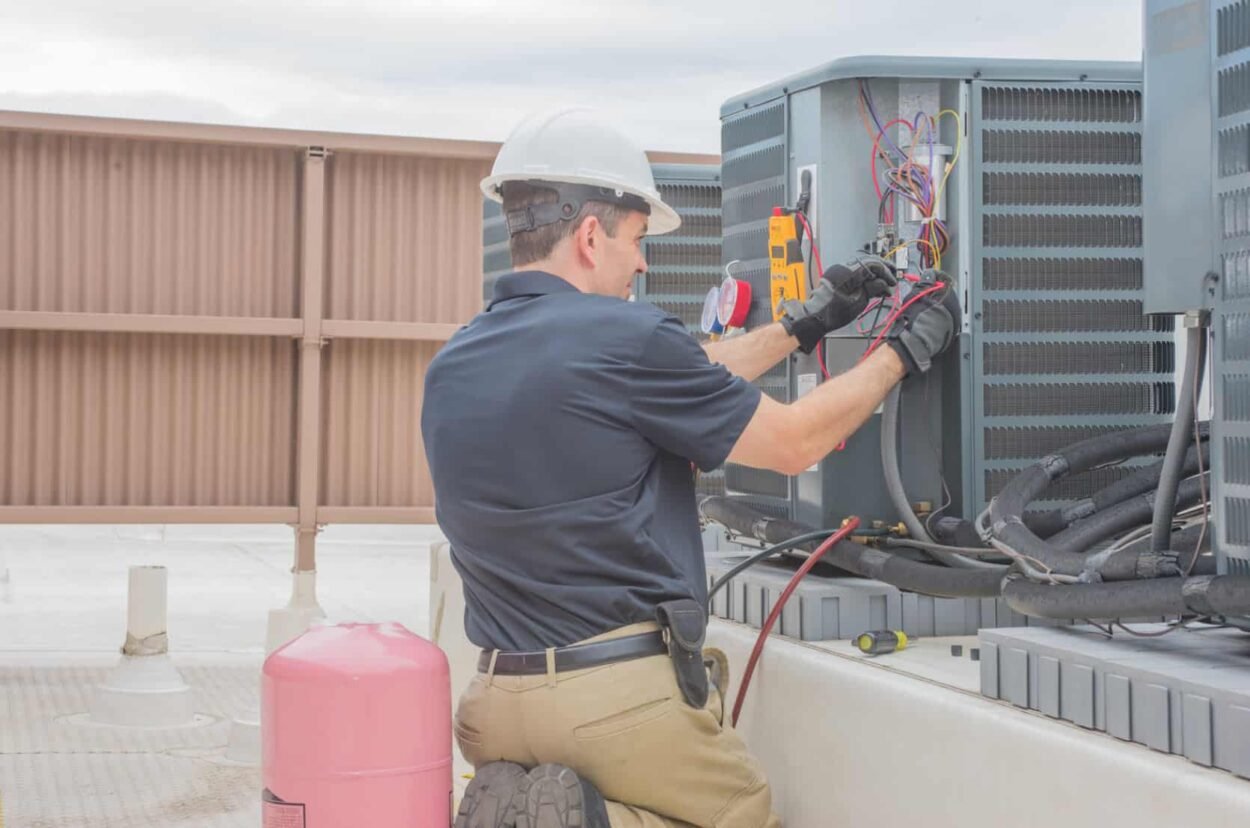
In today’s fast-paced and technology-driven world, businesses are constantly looking for ways to improve efficiency, reduce costs, and create a comfortable environment for employees and customers. One of the smartest upgrades companies can make is automating their HVAC (Heating, Ventilation, and Air Conditioning) systems.
HVAC automation uses smart controls, sensors, and software to manage temperature, airflow, and energy usage automatically. Instead of relying on manual adjustments, businesses can enjoy a system that works intelligently based on real-time conditions.
Let’s explore the key benefits of automating HVAC systems for businesses.
Improved Energy Efficiency
One of the biggest advantages of HVAC automation is better energy management. Automated systems adjust cooling and heating based on occupancy, time of day, and external weather conditions.
For example:
- Cooling reduces when areas are unoccupied
- Temperature adjusts automatically during off-hours
- Systems run only when needed
This leads to significant energy savings and lower electricity bills, which is especially important for large commercial spaces.
Reduced Operational Costs
When energy consumption goes down, operational costs naturally decrease. HVAC systems are known to consume a large portion of a building’s energy, so automation helps businesses save money in the long run.
Additionally:
- Less manual intervention reduces labour costs
- Early issue detection prevents expensive repairs
- Optimised performance extends equipment life
Overall, automation ensures better financial control and long-term savings.
Enhanced Comfort and Productivity
A comfortable indoor environment directly impacts employee productivity and customer satisfaction. HVAC automation maintains consistent temperature and air quality throughout the building.
Benefits include:
- Stable and comfortable indoor temperatures
- Better airflow and ventilation
- Improved indoor air quality
Employees can focus better on their work, and customers enjoy a pleasant experience, which is crucial for offices, retail stores, and hospitality businesses.
Smart Monitoring and Control
Automated HVAC systems allow businesses to monitor and control operations in real-time. Many systems can be managed through mobile apps or centralized dashboards.
Key features:
- Remote access and control
- Real-time performance monitoring
- Instant alerts for system issues
This level of control helps facility managers make quick decisions and maintain system efficiency without being physically present.
Predictive Maintenance and Reduced Downtime
Traditional HVAC systems often fail without warning, leading to downtime and disruption. Automation changes this by using sensors and data analytics to predict potential issues before they become major problems.
Advantages:
- Early detection of faults
- Scheduled maintenance alerts
- Reduced unexpected breakdowns
Predictive maintenance not only saves money but also ensures uninterrupted operations.
Better Scalability for Growing Businesses
As businesses expand, their HVAC requirements also increase. Automated systems are flexible and can be easily scaled to accommodate new areas or higher demand.
Whether it’s:
- Expanding office space
- Adding new floors
- Opening new branches
HVAC automation allows seamless integration without major system overhauls.
Data-Driven Decision Making
Automated HVAC systems collect valuable data related to energy usage, system performance, and environmental conditions. This data helps businesses make informed decisions.
For example:
- Identifying high energy consumption zones
- Adjusting usage patterns for efficiency
- Planning upgrades based on real insights
Data-driven strategies improve both performance and cost management.
Environmental Sustainability
Sustainability is becoming a priority for modern businesses. HVAC automation helps reduce carbon footprint by optimising energy usage and minimising waste.
Eco-friendly benefits:
- Lower energy consumption
- Reduced greenhouse gas emissions
- Support for green building certifications
This not only benefits the environment but also enhances the brand image of the business.
Integration with Smart Building Systems
Automated HVAC systems can be integrated with other smart technologies such as lighting, security, and building management systems (BMS).
This creates a fully connected environment where:
- Systems communicate with each other
- Energy usage is optimised across all functions
- Building operations become more efficient
Such integration is especially useful in modern commercial buildings and smart offices.
Competitive Advantage for Businesses
Businesses that adopt advanced technologies like HVAC automation gain an edge over competitors. It shows a commitment to innovation, efficiency, and sustainability.
Customers and clients are more likely to trust and prefer businesses that offer:
- Comfortable environments
- Energy-efficient operations
- Modern infrastructure
This can positively impact brand reputation and business growth.
Final Thoughts
Automating HVAC systems is no longer a luxury—it has become a necessity for businesses aiming to improve efficiency, reduce costs, and stay competitive. From energy savings and better comfort to predictive maintenance and sustainability, the benefits are significant and long-lasting.
Investing in HVAC automation is a smart step toward building a more efficient, reliable, and future-ready business environment.

Sign up