


What Materials Are Used in Dispenser Cathodes
When it comes to high-performance electron emission systems, dispenser cathodes play a very important role because they ensure stable and efficient electron flow. Therefore, understanding the...

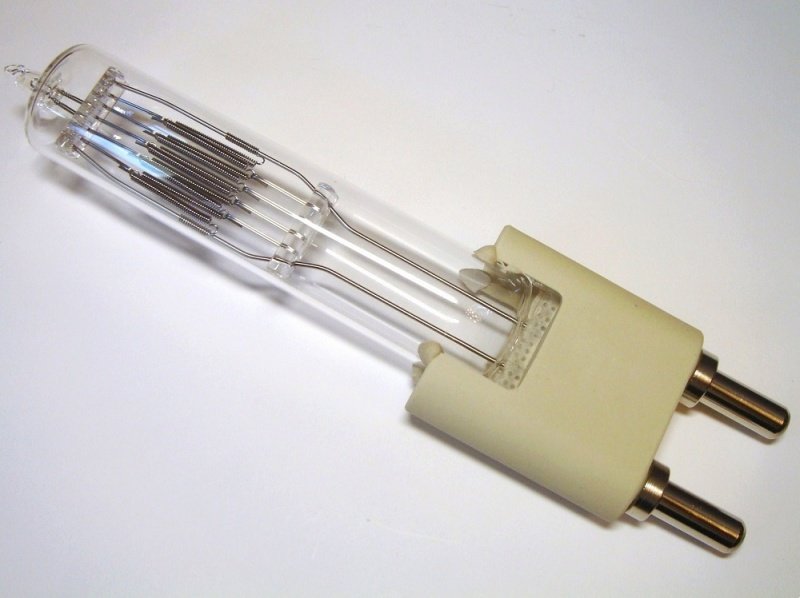
When it comes to high-performance electron emission systems, dispenser cathodes play a very important role because they ensure stable and efficient electron flow. Therefore, understanding the materials used in these cathodes is essential for industries that rely on vacuum electronics, microwave devices, and advanced energy systems. Moreover, the selection of materials directly impacts performance, durability, and efficiency. As a result, proper material engineering improves long-term reliability.
Table Of Content
- Understanding Dispenser Cathodes
- Key Base Materials Used
- Impregnated Emissive Materials
- Coating and Activator Materials
- Supporting Additives
- Practical Example of Use
- Applications in Industry
- Performance Benefits of Material Selection
- Industry Relevance and Related Uses
- Why Material Quality Matters
- Call to Action
- Final Thoughts
Understanding Dispenser Cathodes
First of all, a dispenser cathode is an electron-emitting device that works through thermionic emission. In addition, it uses a porous metal structure that is filled with electron-emitting compounds. Therefore, it is widely used in vacuum tubes, radar systems, and high-power electronic devices. On the other hand, incorrect material selection can reduce emission stability. As a result, material composition becomes a critical design factor.
Key Base Materials Used
Another important element is the base structure, which is typically made from porous tungsten. For example, tungsten is chosen because it has a very high melting point and excellent thermal stability. In addition, its porous nature allows it to hold emissive materials effectively.
Therefore, tungsten provides both strength and stability under extreme operating conditions. As a result, it forms the backbone of most dispenser cathode designs.
Impregnated Emissive Materials
Moreover, the main electron emission comes from impregnated compounds inside the tungsten structure. These usually include barium oxide, calcium oxide, and aluminum oxide. Therefore, these compounds work together to lower the work function and enhance electron emission.
In addition, barium oxide plays a major role in maintaining continuous electron flow. As a result, the cathode delivers stable performance even at high temperatures.
Coating and Activator Materials
Another key factor is the use of coating materials that improve emission efficiency. For instance, osmium or rhenium coatings are sometimes applied to enhance surface stability. Moreover, these coatings help reduce material evaporation and extend lifespan.
Therefore, coatings act as protective layers while improving overall performance. As a result, dispenser cathodes can operate efficiently in demanding environments.
Supporting Additives
In addition, small additives are used to improve emission consistency and durability. These may include rare earth oxides and alkaline earth compounds. Therefore, they help stabilize the electron emission process.
Moreover, these additives reduce degradation over time. As a result, the cathode maintains reliable performance across different operating conditions.
Practical Example of Use
For instance, consider a satellite communication system that uses high-power microwave tubes. If a low-quality electron emitter is used, then signal stability may drop at high temperatures. However, when a dispenser cathode with tungsten and barium oxide is used, electron emission remains stable.
As a result, communication signals become more reliable, and system performance improves significantly. Therefore, material quality directly impacts real-world technological performance.
Applications in Industry
Another important point is that Dispenser Cathodes are widely used in multiple industries. For example, they are found in radar systems, medical imaging devices, and vacuum electronic tubes. In addition, they are essential in high-frequency amplifiers and research instruments.
Moreover, their stable electron emission makes them highly valuable in advanced engineering systems. As a result, demand for high-performance cathode materials continues to grow.
Performance Benefits of Material Selection
First, proper material selection increases emission efficiency. In addition, it improves thermal resistance and long-term stability. Therefore, electronic devices perform better under extreme conditions.
Moreover, high-quality materials reduce maintenance requirements and increase lifespan. As a result, industries benefit from lower operational costs and higher efficiency.
Industry Relevance and Related Uses
In addition, similar material technologies are also used in Cathodes For Lamps, where consistent electron emission is required for stable lighting performance. Moreover, advanced systems like cathodes for ion gas lasers also depend on specialized emission materials for precision energy control.
Therefore, dispenser cathode technology shares important principles with other advanced electronic applications.
Why Material Quality Matters
Another key factor is consistency because poor-quality materials can lead to unstable emission and early failure. Therefore, strict quality control is essential during manufacturing.
Moreover, ongoing research continues to improve cathode materials for better efficiency and durability. As a result, future devices will become even more powerful and reliable.
Call to Action
If you want to learn more about high-performance dispenser cathodes and advanced material solutions, then visit our website Spectramat today. Explore detailed product information and request a free consultation from our experts so you can choose the right cathode solution for your application.
Final Thoughts
Dispenser cathodes rely on advanced materials such as tungsten, barium oxide, and protective coatings to deliver stable electron emission. Therefore, material selection directly affects efficiency, performance, and lifespan. Moreover, understanding these materials helps industries improve system reliability and reduce costs. As a result, dispenser cathode technology remains essential in modern high-tech applications.







No Comment! Be the first one.