


Land Rover Engine: Power, Performance, and Engineering Excellence
Introduction The engine is the heart of any vehicle, and when it comes to Land Rover, it represents a perfect blend of power, durability, and advanced engineering. Known for producing some of the...

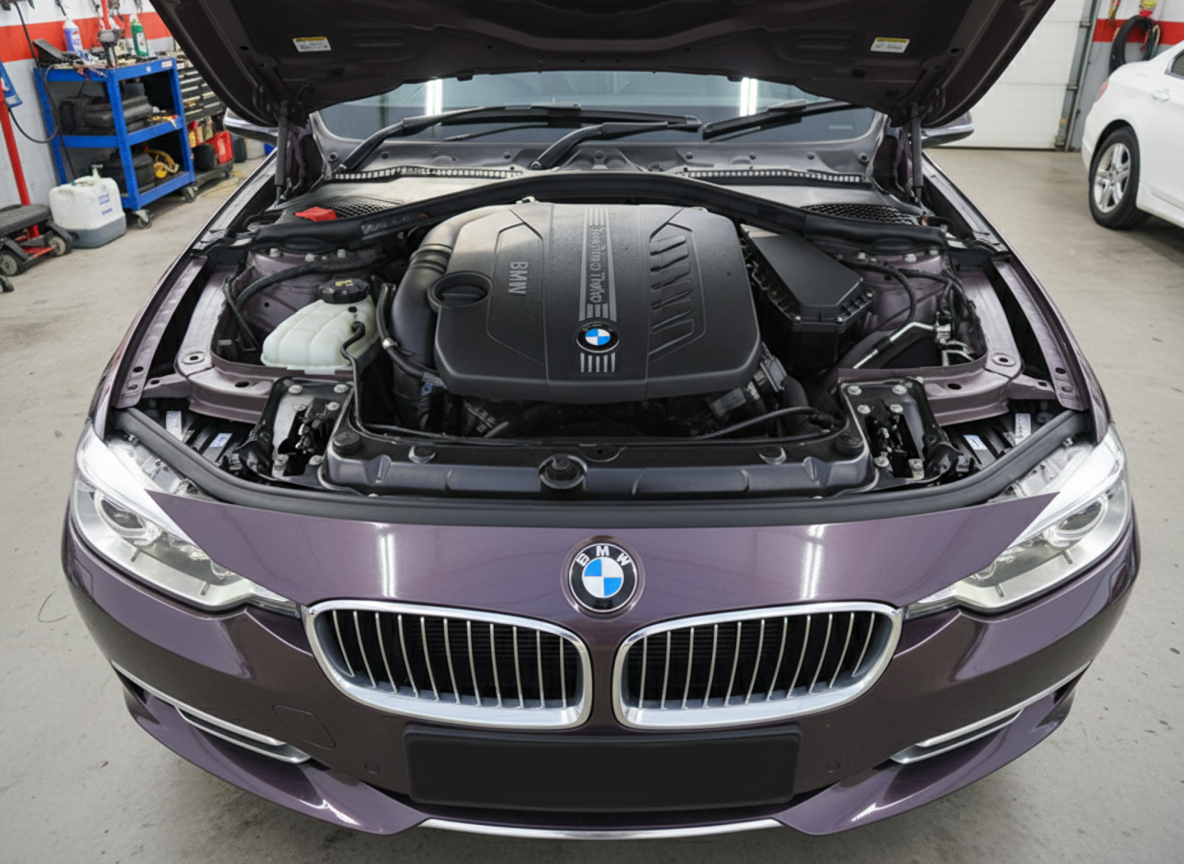
Introduction
The engine is the heart of any vehicle, and when it comes to Land Rover, it represents a perfect blend of power, durability, and advanced engineering. Known for producing some of the most capable off-road vehicles in the world, Land Rover has continuously evolved its engine technology to meet modern demands while maintaining its legacy of strength and reliability. This article explores the design, types, features, and innovations behind Land Rover engines.
Table Of Content
- The Legacy of Land Rover Engines
- Types of Land Rover Engines
- 1. Petrol Engines
- 2. Diesel Engines
- 3. Hybrid and Electric Engines
- Key Features of Land Rover Engines
- Advanced Turbocharging
- High Torque Output
- Efficient Fuel Consumption
- Durable Construction
- Engineering Innovations
- Ingenium Engine Family
- Mild Hybrid Technology
- All-Terrain Performance Optimization
- Performance in Off-Road Conditions
- Maintenance and Reliability
- Environmental Considerations
- Future of Land Rover Engines
- Conclusion
The Legacy of Land Rover Engines
Land Rover has a long-standing reputation for building engines that can handle extreme conditions. From rugged terrains to urban roads, these engines are designed to perform under pressure. Early Land Rover models were equipped with simple yet robust engines that prioritized reliability over speed. Over time, the company introduced more advanced engines that balanced performance, efficiency, and environmental responsibility.
The transition from basic mechanical systems to electronically controlled engines marked a significant milestone. Today, Land Rover engines are known for their precision, smooth operation, and adaptability to various driving conditions.
Types of Land Rover Engines
1. Petrol Engines
Petrol engines in Land Rover vehicles are designed for smooth acceleration and refined driving. These engines are ideal for drivers who prefer quiet operation and responsive performance. Modern petrol engines often include turbocharging technology, which increases power without significantly increasing fuel consumption.
2. Diesel Engines
Diesel engines have traditionally been a strong point for Land Rover. They offer excellent torque, making them perfect for off-road driving and towing heavy loads. These engines are also more fuel-efficient compared to petrol variants, making them a popular choice for long-distance travel.
3. Hybrid and Electric Engines
To keep up with global environmental standards, Land Rover has introduced hybrid and electric powertrains. These engines combine traditional internal combustion with electric motors, reducing emissions and improving fuel efficiency. Plug-in hybrid models allow drivers to switch between electric and fuel power, offering flexibility and sustainability.
Key Features of Land Rover Engines
Advanced Turbocharging
Many Land Rover engines use turbochargers to enhance performance. Turbocharging forces more air into the engine, allowing it to burn more fuel and generate more power. This results in better acceleration and improved overall efficiency.
High Torque Output
Torque is essential for off-road capability, and Land Rover engines are designed to deliver high torque at low speeds. This feature allows vehicles to climb steep hills, navigate rough terrains, and tow heavy loads with ease.
Efficient Fuel Consumption
Modern Land Rover engines are engineered to maximize fuel efficiency. Technologies such as direct fuel injection and variable valve timing help reduce fuel usage while maintaining performance.
Durable Construction
Land Rover engines are built with high-quality materials to ensure durability. Whether driving through mud, الرمال, or rocky landscapes, these engines are designed to withstand harsh environments without compromising performance.
Engineering Innovations
Ingenium Engine Family
One of the most significant advancements in Land Rover engine technology is the Ingenium engine family. These engines are lightweight, modular, and designed for maximum efficiency. They are available in both petrol and diesel variants and are used across many Land Rover models.
The Ingenium engines focus on reducing emissions while delivering strong performance. Their modular design allows for easy integration into different vehicle types, making them highly versatile.
Mild Hybrid Technology
Mild hybrid systems in Land Rover engines use a small electric motor to support the engine. This technology helps improve fuel efficiency and reduces emissions by assisting during acceleration and recovering energy during braking.
All-Terrain Performance Optimization
Land Rover engines are integrated with advanced systems that adjust performance based on terrain. Whether driving on sand, snow, or rocks, the engine works in harmony with the vehicle’s systems to deliver optimal power and control.
Performance in Off-Road Conditions
Land Rover engines truly shine in off-road environments. Their high torque and precise control make them ideal for challenging terrains. Features like low-speed control and hill descent assistance rely heavily on engine performance.
For example, when driving on steep inclines, the engine provides consistent power to prevent stalling. Similarly, in muddy conditions, it delivers controlled torque to maintain traction. This level of performance is what sets Land Rover apart from many other automotive brands.
Maintenance and Reliability
Proper maintenance is essential to keep a Land Rover engine running smoothly. Regular oil changes, timely servicing, and the use of high-quality fuel can significantly extend engine life. Modern Land Rover engines also come with diagnostic systems that alert drivers to potential issues before they become serious problems.
Despite their advanced technology, these engines are built for longevity. With proper care, they can deliver reliable performance for many years.
Environmental Considerations
As environmental concerns continue to grow, Land Rover has taken steps to make its engines more eco-friendly. Hybrid and electric options reduce carbon emissions, while improved fuel efficiency helps minimize environmental impact.
The company is also investing in fully electric vehicles, aiming to reduce reliance on fossil fuels. This commitment reflects a broader shift in the automotive industry toward sustainability.
Future of Land Rover Engines
The future of Land Rover engines lies in electrification and smart technology. The company plans to expand its range of electric vehicles while continuing to improve hybrid systems. Innovations such as AI-driven engine management and advanced energy recovery systems are expected to play a key role.
These developments will not only enhance performance but also ensure that Land Rover remains competitive in a rapidly changing automotive landscape.
Conclusion
Land Rover engines represent a perfect combination of power, innovation, and reliability. From traditional diesel engines to modern hybrid systems, they have evolved to meet the needs of today’s drivers while staying true to their off-road heritage. With continuous advancements in technology and a strong focus on sustainability, Land Rover engines are well-prepared for the future.
Whether navigating city streets or exploring rugged terrains, a Land Rover engine delivers the performance and dependability that drivers expect from a world-class automotive brand.
For more information.







No Comment! Be the first one.