


Why Do Ovens Influence Food Quality?
Ovens have a strong role in how food becomes ready to eat. Heat inside an oven changes food slowly and evenly when the control stays balanced. This change affects softness, color and taste. When heat...

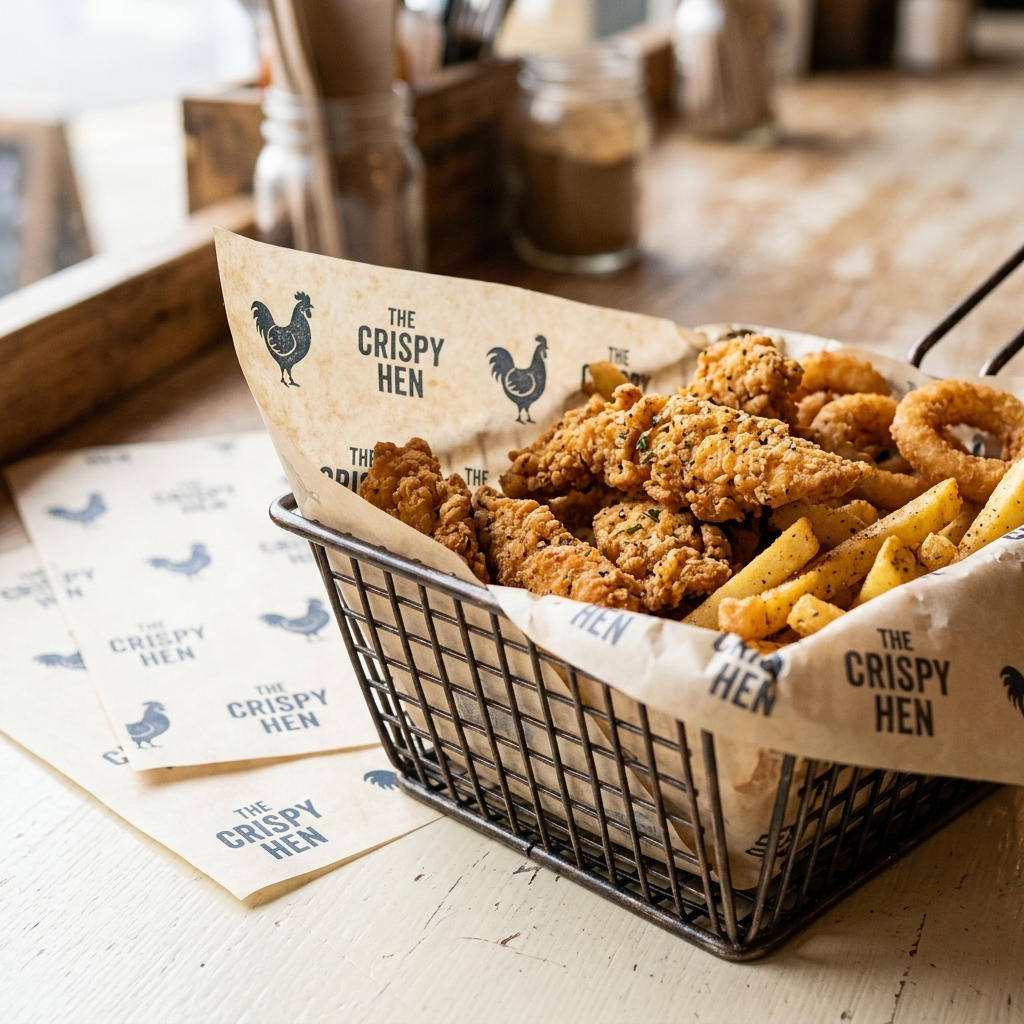
Ovens have a strong role in how food becomes ready to eat. Heat inside an oven changes food slowly and evenly when the control stays balanced. This change affects softness, color and taste. When heat is not balanced, food may cook unevenly which lowers quality. Some parts may become dry while other parts stay undercooked. This is why understanding oven behavior matters for anyone who cooks food at home or in a kitchen.
Table Of Content
- How Does Heat Distribution Change Cooking Results?
- Why Does Temperature Stability Matter in Baking?
- How Does Oven Type Affect Food Taste?
- Why Does Air Circulation Inside Ovens Matter?
- How Do Small Cooking Materials Affect Oven Performance?
- How Can Simple Tools Improve Oven Cooking Experience?
- Why Do Home Bakers Prefer Better Cooking Setup?
- What Role Does Consistency Play in Oven Cooking?
Oven performance depends on how heat moves inside the closed space. Warm air surrounds food from all sides and this process changes the structure of ingredients. Even small differences in heat can create noticeable changes in taste. In many kitchens, careful heat control is used to keep food results steady. A simple dish can taste very different when the temperature is not handled well showing how important ovens are for food quality.
How Does Heat Distribution Change Cooking Results?
Heat distribution describes how warmth spreads inside the oven space. When heat spreads evenly, food cooks at a steady pace from all sides. This helps food stay balanced in texture and flavor. When heat is uneven some parts receive more energy while other parts receive less. This creates differences in cooking level within the same dish.
Air movement plays a key role in heat spread. When warm air moves freely food receives consistent cooking conditions. When air movement is weak, hot and cool spots appear. These differences affect final taste and texture. Many cooks adjust the food position inside the oven to improve heat balance and get better results.
Why Does Temperature Stability Matter in Baking?
Temperature stability means keeping heat at one steady level during cooking. When temperature stays stable food rises and cooks in a controlled way. This helps maintain structure and softness. Sudden changes in heat can disturb cooking and lead to poor texture.
In baking, steady heat supports even cooking from inside and outside. When temperature goes up or down quickly food may lose shape or become too dry. Many cooks monitor temperature closely to avoid these problems. Stable heat gives more control over final results and helps maintain consistent quality across different dishes.
How Does Oven Type Affect Food Taste?
Different ovens create different cooking experiences. Each type handles heat in its own way. Some ovens produce strong direct heat while others spread heat more evenly. This difference changes how food tastes and feels after cooking.
Gas based systems may give stronger surface heat while electric systems often provide more balanced cooking conditions. These differences affect crispness, softness and flavor depth. Choosing a method depends on the type of food being prepared. Even small differences in heat source can change final taste in noticeable ways.
Why Does Air Circulation Inside Ovens Matter?
Air circulation helps hot air move around food during cooking. When air moves properly heat reaches all sides evenly. This improves cooking balance and reduces uneven results. Food becomes more consistent in texture when air flow stays steady.
When air circulation is weak some parts of food cook faster than others. This can lead to uneven texture and taste differences. Many modern systems include airflow support to improve movement of heat. Better circulation helps maintain stable cooking conditions and improves overall food quality.
How Do Small Cooking Materials Affect Oven Performance?
Small cooking materials can support better cooking results by helping manage heat contact and surface balance. These materials help food stay stable while cooking and reduce direct exposure to strong heat points.
For example, custom parchment paper rolls printed help create a smooth cooking surface that supports even heat spread. This simple addition can improve food handling during cooking and reduce sticking issues. Many kitchens use such materials to maintain cleaner cooking conditions and better heat control during preparation.
How Can Simple Tools Improve Oven Cooking Experience?
Simple tools can support better cooking results by making heat handling and food preparation easier. These tools help maintain balance and improve cooking flow in everyday use.
Using custom printed paper helps manage surface contact and supports cleaner cooking conditions. This improves handling and reduces unnecessary mess during preparation. Small changes like this can improve overall cooking experience and help maintain better results without extra effort.
Why Do Home Bakers Prefer Better Cooking Setup?
Home bakers often look for simple ways to improve cooking results. A better setup helps control heat and timing more easily. This leads to more reliable results in taste and texture.
Small improvements in cooking space and tools can make a noticeable difference. Many people prefer using trusted materials and simple techniques to get better outcomes. Brands like Wax Papers Hub support this need by offering useful kitchen essentials that help improve cooking consistency simply. In many homes across Canada, such improvements help baking feel easier and more controlled.
What Role Does Consistency Play in Oven Cooking?
Consistency means getting similar results every time food is prepared. Ovens play a major role in building this consistency because they control heat and timing. When settings remain stable food quality stays predictable.
Repeated success in cooking comes from maintaining the same process. This includes temperature control timing and proper handling. Consistency helps build confidence in cooking results. Over time steady practice leads to improved food quality and better understanding of how ovens influence cooking outcomes.



No Comment! Be the first one.