



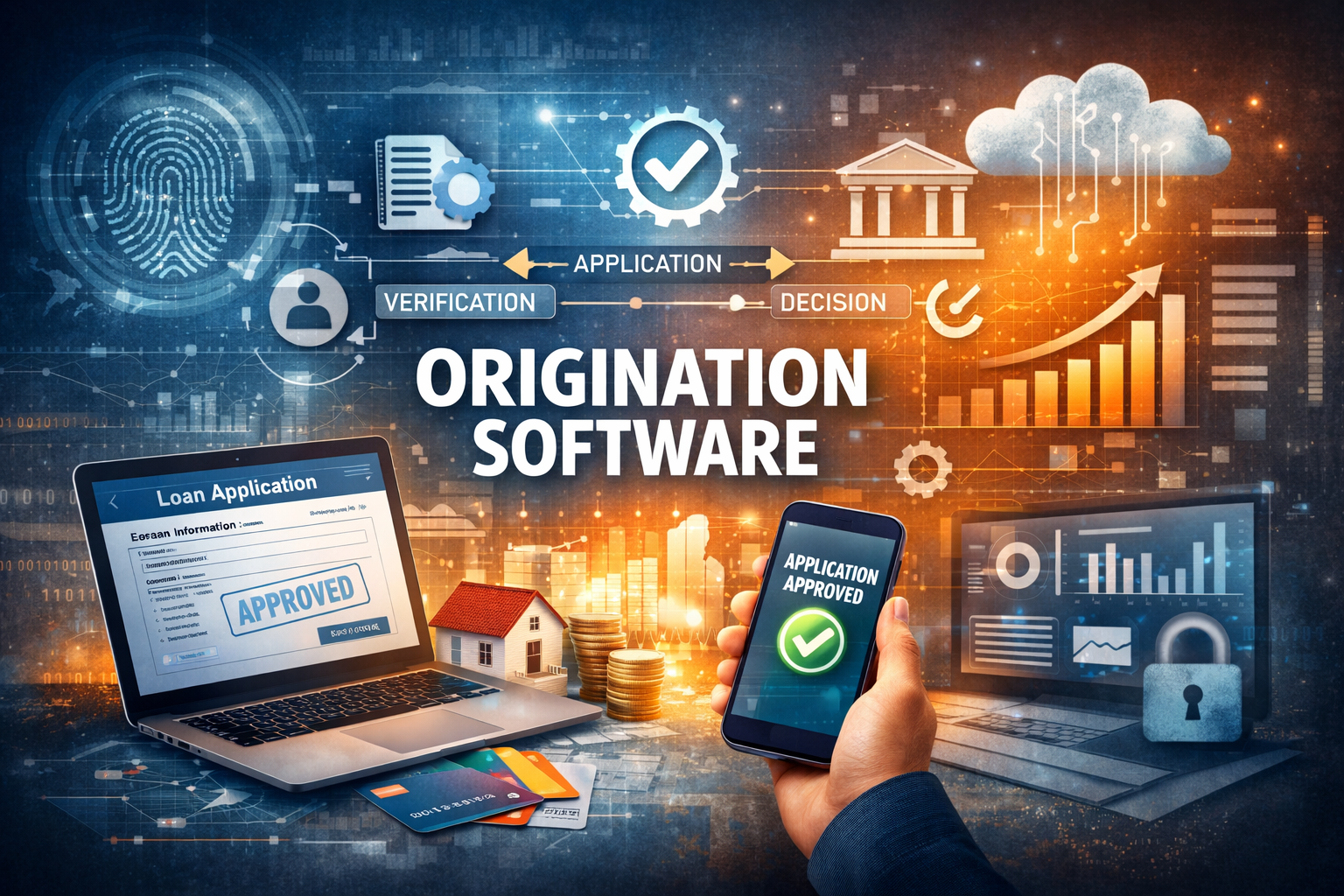
Origination software has become one of the most important digital tools in industries where applications, approvals, onboarding, and verification processes are involved. Whether it is banking, lending, insurance, or financial services, organizations today rely heavily on origination software to manage data flow, reduce manual work, and improve decision-making speed. In simple terms, origination software is the backbone of modern application processing systems that helps businesses collect information, verify it, evaluate eligibility, and move applications through different stages until final approval.
Table Of Content
- Understanding What Origination Software Really Means
- The Core Concept Behind Origination Software
- Why Businesses Depend on Origination Software
- How Origination Software Works in Real-World Systems
- Step-by-Step Flow of Application Processing
- Integration With External Systems
- Key Features of Modern Origination Software
- Digital Application Management
- Automated Decision-Making Systems
- Real-Time Data Verification
- Workflow Customization
- Reporting and Analytics
- Types of Origination Software Used in Different Industries
- Loan Origination Systems in Banking
- Insurance Origination Platforms
- Customer Onboarding Systems
- Enterprise Application Processing Systems
- Benefits of Using Origination Software in Modern Businesses
- Faster Processing and Reduced Turnaround Time
- Improved Accuracy and Reduced Errors
- Enhanced Customer Experience
- Better Compliance and Risk Management
- Practical Use Cases of Origination Software
- Implementation Process of Origination Software in Organizations
- Planning and Requirement Analysis
- System Configuration and Setup
- Data Migration and Integration
- Testing and Deployment
- Common Challenges in Origination Software Adoption
- High Initial Setup Costs
- Complexity in Integration
- User Adoption Issues
- Data Security Concerns
- Best Practices for Using Origination Software Effectively
- Future Trends in Origination Software
- AI-Powered Decision Engines
- Cloud-Based Origination Platforms
- Enhanced Automation and No-Code Systems
- Real-Time Risk Analysis
- Conclusion
In earlier times, these processes were handled manually, often involving paperwork, physical document verification, and long waiting times. This not only slowed down operations but also increased the chances of human error. With the introduction of origination software, companies have transformed their workflows into fully digital ecosystems. The result is faster approvals, better customer experience, and improved operational efficiency.
Today, origination software is not just a tool but a complete ecosystem that connects customers, employees, compliance systems, and decision engines in one unified platform. Its importance continues to grow as organizations shift toward digital-first operations.
Understanding What Origination Software Really Means
Origination software refers to a digital system designed to manage the entire lifecycle of an application—from the moment a user submits their request to the final decision or approval stage. It acts as a central hub where data is collected, validated, processed, and stored.
At its core, origination software is built to reduce friction in processes that traditionally required multiple manual steps. It ensures that every application follows a structured path, which improves consistency and accuracy in decision-making.
The Core Concept Behind Origination Software
The main idea behind origination software is automation combined with intelligence. Instead of relying on human intervention at every step, the system uses predefined rules, algorithms, and sometimes artificial intelligence to evaluate applications. This means decisions are faster, more standardized, and less prone to bias or error.
Origination software is widely used in financial institutions where loan applications must be assessed based on credit history, income details, and risk factors. However, its use has expanded far beyond banking into sectors like telecom, healthcare onboarding, and even digital identity verification systems.
Why Businesses Depend on Origination Software
Modern businesses deal with large volumes of customer data every day. Managing this data manually is not practical anymore. Origination software allows organizations to handle thousands of applications simultaneously without compromising accuracy.
It also improves compliance with regulatory requirements. Since every step is recorded digitally, companies can easily audit processes and maintain transparency.
How Origination Software Works in Real-World Systems
The working mechanism of origination software is based on a structured workflow that guides applications from entry to completion. Although different platforms may have unique features, the core process remains similar across industries.
Step-by-Step Flow of Application Processing
When a user submits an application, the origination software first captures all required data through digital forms. This information is then validated to ensure accuracy and completeness. If any data is missing, the system may request additional input before proceeding further.
Once the data is validated, the system moves the application into a decision engine. This engine evaluates the application based on predefined rules such as eligibility criteria, credit scoring models, or risk assessment parameters.
After evaluation, the application is either approved, rejected, or sent for manual review depending on the outcome. Throughout this process, origination software maintains detailed records of every action taken.
Integration With External Systems
One of the strongest features of origination software is its ability to integrate with external databases and services. For example, in lending environments, it may connect with credit bureaus, identity verification services, and fraud detection tools. This ensures that decisions are based on accurate and updated information.
Integration also allows origination software to become part of a larger digital ecosystem, where different systems communicate seamlessly without manual intervention.
Key Features of Modern Origination Software
Modern origination software platforms come with a wide range of features designed to streamline operations and improve efficiency. These features go beyond basic application processing and include advanced automation, analytics, and customer engagement tools.
Digital Application Management
One of the most important features is digital application management. This allows users to submit applications online without needing physical paperwork. The system automatically organizes and stores all data in structured formats.
Automated Decision-Making Systems
Automation is at the heart of origination software. The system can evaluate applications using predefined rules and machine learning models. This reduces the time needed for approvals and ensures consistent decision-making.
Real-Time Data Verification
Origination software often includes real-time verification tools that check identity, income, and credit history instantly. This reduces fraud risk and ensures data authenticity.
Workflow Customization
Organizations can customize workflows based on their business needs. This means different types of applications can follow different approval paths depending on complexity or risk level.
Reporting and Analytics
Advanced origination software includes analytics dashboards that provide insights into application trends, approval rates, and operational performance. These insights help businesses make informed strategic decisions.
Types of Origination Software Used in Different Industries
Origination software is not limited to one industry. It has evolved into multiple forms depending on business requirements and operational models.
Loan Origination Systems in Banking
The most common type is loan origination systems used in banking and financial institutions. These systems manage personal loans, business loans, mortgages, and credit applications. They assess creditworthiness and ensure compliance with financial regulations.
Insurance Origination Platforms
In the insurance industry, origination software is used to process policy applications, verify customer information, and determine premium eligibility. It simplifies the onboarding process for new customers.
Customer Onboarding Systems
Many digital businesses use origination software for customer onboarding. This includes verifying identity, collecting documents, and setting up accounts in platforms such as fintech apps and digital wallets.
Enterprise Application Processing Systems
Large organizations also use origination software internally for employee onboarding, vendor registration, and compliance tracking.
Benefits of Using Origination Software in Modern Businesses
Origination software offers several advantages that make it essential for modern enterprises. These benefits go beyond efficiency and directly impact customer experience and profitability.
Faster Processing and Reduced Turnaround Time
One of the biggest advantages is speed. Applications that once took days or weeks can now be processed in minutes. This significantly improves customer satisfaction and business responsiveness.
Improved Accuracy and Reduced Errors
Since most processes are automated, the chances of human error are greatly reduced. This leads to more reliable decision-making and fewer operational issues.
Enhanced Customer Experience
Customers benefit from smooth and transparent application processes. They can track their application status in real time, which builds trust and engagement.
Better Compliance and Risk Management
Origination software ensures that all applications comply with regulatory standards. It also helps detect fraudulent activities early in the process.
Practical Use Cases of Origination Software
Origination software is used in many real-world scenarios where structured application processing is required.
In banking, it is used for approving home loans, car loans, and credit cards. In fintech, it supports instant account creation and digital lending platforms. Insurance companies rely on it for policy approvals, while telecom companies use it for SIM card activation and customer onboarding.
A growing number of startups also use origination software to automate their internal workflows. This allows them to scale faster without increasing operational costs.
In the middle of this transformation, companies like FICS have also contributed to shaping digital origination systems by improving how financial processes are managed and optimized across platforms.
Implementation Process of Origination Software in Organizations
Implementing origination software requires careful planning and execution. Businesses must ensure that the system aligns with their operational goals and technical infrastructure.
Planning and Requirement Analysis
The first step involves analyzing business needs. Organizations must define what types of applications they will process and what rules will govern decision-making.
System Configuration and Setup
Once requirements are defined, the software is configured to match workflows. This includes setting up approval stages, validation rules, and integration points.
Data Migration and Integration
Existing data is migrated into the new system, and external services are integrated to ensure seamless operation.
Testing and Deployment
Before going live, the system undergoes extensive testing to ensure accuracy and performance. After successful testing, it is deployed for full-scale use.
Common Challenges in Origination Software Adoption
While origination software offers many benefits, its implementation is not without challenges.
High Initial Setup Costs
One of the main challenges is the cost of implementation. Advanced systems require investment in infrastructure, customization, and training.
Complexity in Integration
Integrating origination software with existing systems can be complex, especially in older organizations with legacy systems.
User Adoption Issues
Employees may take time to adapt to new systems, especially if they are used to manual processes.
Data Security Concerns
Since origination software handles sensitive data, ensuring security and compliance is critical.
Best Practices for Using Origination Software Effectively
To maximize the benefits of origination software, organizations should follow certain best practices.
Maintaining clean and accurate data is essential for effective decision-making. Regular system updates ensure that the software remains secure and efficient. Training employees helps improve adoption rates and reduces operational errors. Businesses should also continuously monitor system performance and make improvements based on analytics.
Future Trends in Origination Software
The future of origination software is closely tied to advancements in artificial intelligence, machine learning, and automation. These technologies are making systems smarter and more predictive.
AI-Powered Decision Engines
Future origination systems will rely heavily on AI to make more accurate decisions based on large datasets and behavioral patterns.
Cloud-Based Origination Platforms
Cloud technology will continue to dominate, allowing businesses to scale operations without heavy infrastructure costs.
Enhanced Automation and No-Code Systems
More organizations will adopt no-code or low-code origination platforms, allowing non-technical users to configure workflows easily.
Real-Time Risk Analysis
Advanced systems will provide real-time risk scoring, enabling faster and more secure decision-making processes.
Conclusion
Origination software has become a critical part of modern digital transformation strategies across industries. It simplifies complex application processes, reduces manual workload, and ensures faster, more accurate decision-making. From banking and insurance to fintech and enterprise operations, its impact is widespread and continuously growing.
As technology continues to evolve, origination software will become even more intelligent, automated, and user-friendly. Organizations that adopt it early and implement it effectively will gain a significant competitive advantage in the digital economy.







No Comment! Be the first one.