


How to Prepare Pets for International Travel to Canada
Moving internationally with a pet is a significant undertaking. Canada is a popular destination for pet owners relocating from abroad. However, the preparation required is substantial and...

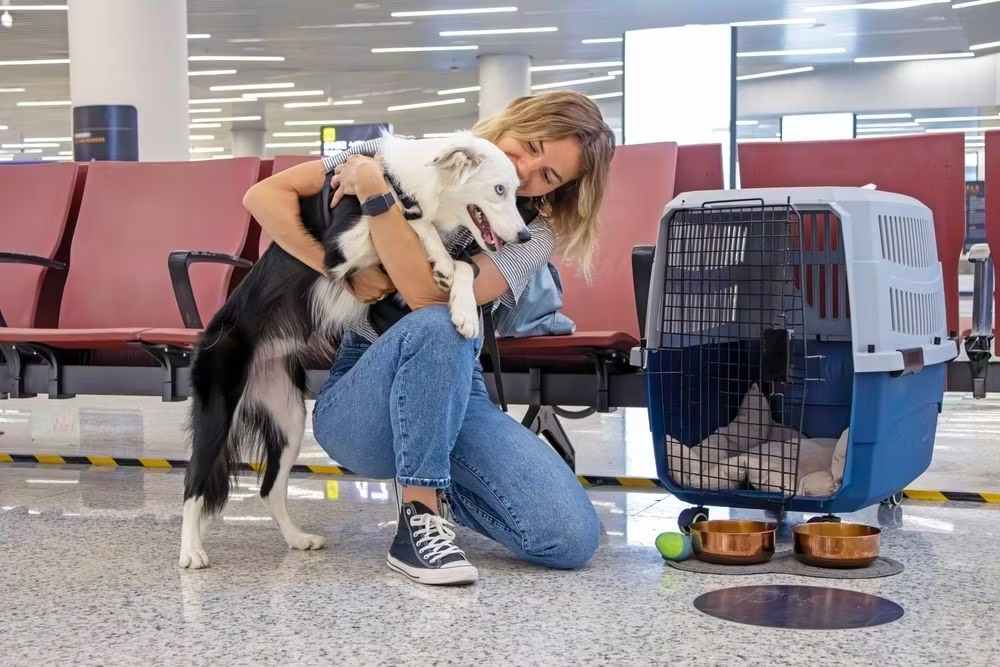
Moving internationally with a pet is a significant undertaking. Canada is a popular destination for pet owners relocating from abroad. However, the preparation required is substantial and time-sensitive. Starting early and understanding each requirement is absolutely essential.
Table Of Content
- Why International Pet Travel Preparation Takes Time
- How Early Should You Begin International Pet Travel Preparation
- Understanding Canadian Entry Requirements for Pets
- Health Certificate Requirements for International Travel
- Microchipping and Identification for International Travel
- Keeping Identification Documents Consistent
- Preparing Your Pet Physically for a Long International Journey
- Exercise and Diet Management Before International Travel
- Carrier Preparation for International Journeys
- What to Include Inside the Travel Carrier
- Navigating the Pet Import Process Professionally
- Post-Arrival Care After International Travel
Why International Pet Travel Preparation Takes Time
International pet travel involves multiple agencies and documentation layers. Each step has its own timeline and dependency on previous steps. Rushing any part of the process creates gaps that cause serious problems. Adequate preparation time is the single most important planning factor.
Vaccinations must be administered within specific windows before travel. Waiting periods after vaccination affect your eligible entry date. Health certificates have expiry dates that must align with travel timing. These interdependencies require a coordinated timeline developed well in advance.
How Early Should You Begin International Pet Travel Preparation
Most experts recommend beginning preparation six months before departure. This timeframe accommodates vaccination schedules and waiting periods comfortably. It also provides buffer time if any document needs to be reissued. Six months feels long, but international regulations make it genuinely necessary.
For pets coming from high-risk countries, preparation may take even longer. Additional testing, quarantine periods, or special permits require extra time. Country-specific requirements vary significantly and must be researched early. Professional relocation services can advise on your specific origin country timeline.
Understanding Canadian Entry Requirements for Pets
Canada’s entry requirements depend on your pet’s species and country of origin. Dogs and cats face different rules from each other and from other animals. The country you’re traveling from determines the specific requirements that apply. Confirming these requirements with the CFIA well before departure is critical.
Rabies vaccination is one of the most fundamental entry requirements for dogs. The vaccine must be administered within specific timing windows before entry. An expired or mistimed vaccination results in rejection or quarantine. Confirming vaccination timing with both your vet and CFIA guidelines is essential.
Health Certificate Requirements for International Travel
A health certificate is required for most pets entering Canada from abroad. This official document certifies the animal’s health status at departure time. It must be issued by an accredited veterinarian within a specific window. The window varies by country and species, so always verify current requirements.
The health certificate must be completed in English or French only. Canadian authorities do not accept health certificates in other languages. If your vet issues the certificate in another language, a certified translation is required. Plan for translation time as part of your overall preparation timeline.
Microchipping and Identification for International Travel
Microchipping provides permanent and reliable identification for internationally traveling pets. Many countries require microchipping as a condition of export. Canada strongly recommends it even when not strictly mandated. Microchip data must match all other identification documents consistently.
ISO-standard microchips are the internationally recognized format. Confirm that your pet’s microchip meets ISO 11784 or 11785 standards. Non-standard chips may not be readable by Canadian scanners. Address this potential issue well before your departure date approaches.
Keeping Identification Documents Consistent
Consistency across all identification documents prevents border complications. Your pet’s name, breed, color, and age must match across every record. Discrepancies in documentation trigger additional scrutiny at the border. Review every document side-by-side before declaring everything complete and finalized.
Photos are a useful supplementary identification tool for international travel. Include clear photos showing your pet’s markings and physical features. Attach them to your documentation folder as backup identification. Visual identification helps officials match the animal to the paperwork quickly.
Preparing Your Pet Physically for a Long International Journey
Long international journeys are physically demanding for most animals. The combination of confinement, pressure changes, and noise creates stress. Physical preparation helps your pet tolerate these conditions more comfortably. A healthier, calmer pet adjusts to international travel more successfully.
Schedule a pre-travel health check with your veterinarian well in advance. The vet assesses your pet’s fitness for an extended international journey. They may recommend supplements, diet adjustments, or calming aids specifically. Addressing health concerns before travel prevents complications mid-journey.
Exercise and Diet Management Before International Travel
Increase your pet’s exercise routine in the weeks before departure. Well-exercised pets are more relaxed during the confinement of travel. Physical fatigue helps animals settle during long flights or ground transport. This simple preparation step has a disproportionate positive impact on travel behavior.
Adjust feeding schedules to prevent motion sickness during travel. A light meal several hours before departure is generally recommended. Avoid rich foods or new treats immediately before the journey begins. Digestive stability during travel protects your pet’s comfort throughout the trip.
Carrier Preparation for International Journeys
The carrier is your pet’s home for the duration of the international trip. Choosing the right carrier and preparing it properly is critically important. Airline-approved hard-sided carriers provide the best protection during flight. They must meet both size and ventilation requirements for cargo travel.
Begin acclimating your pet to the carrier months before the travel date. Daily use of the carrier for eating, sleeping, and resting builds familiarity. A pet that views the carrier as a safe space tolerates travel far better. This habituation process is one of the most impactful pre-travel preparations.
What to Include Inside the Travel Carrier
Line the carrier with absorbent bedding appropriate for the journey length. Include a piece of your worn clothing to provide familiar scent comfort. Familiar toys or blankets from home reduce anxiety during the unfamiliar journey. Avoid placing food inside the carrier to prevent digestive mess mid-flight.
Attach a waterproof bag with feeding instructions to the outside of the carrier. Include enough food for the journey plus an emergency supply. Emergency contact information and veterinary records should be in this bag. This information is critical if your pet needs assistance during transit.
Navigating the Pet Import Process Professionally
The complexity of international pet travel justifies using professional help. Specialists in pet import canada understand exactly what each situation requires. They manage documentation, coordinate veterinary timing, and liaise with border officials. Their expertise significantly reduces the risk of errors and border complications.
Professional services monitor regulatory changes in real time. CFIA requirements can change without extensive public notice. A professional service ensures your documents reflect the most current standards. This currency of knowledge is one of the most valuable services they provide.
Post-Arrival Care After International Travel
Arriving in Canada marks the beginning of an adjustment period for your pet. The new climate, environment, and sounds require significant adaptation time. Allow your pet to decompress quietly before introducing them to new spaces. Gradual exploration reduces the overwhelming nature of entirely new surroundings.
Re-establish regular routines as quickly as practical after arrival. Feeding, exercise, and sleep schedules provide stability in an unfamiliar environment. Book a wellness check with a Canadian vet shortly after arrival. Early veterinary registration in Canada sets a strong foundation for ongoing care.
International pet travel to Canada is achievable with careful preparation. Following each requirement methodically prevents border complications and delays. A prepared pet and complete documentation make the crossing much smoother. Professional guidance ensures nothing important is overlooked during your preparation process.


No Comment! Be the first one.