


FDAS System in the Philippines and Local Safety Rules
Fire safety is a top priority for building owners in the country. An FDAS System in the Philippines helps properties follow the Fire Code. This system detects smoke or heat at the start of a fire. It...

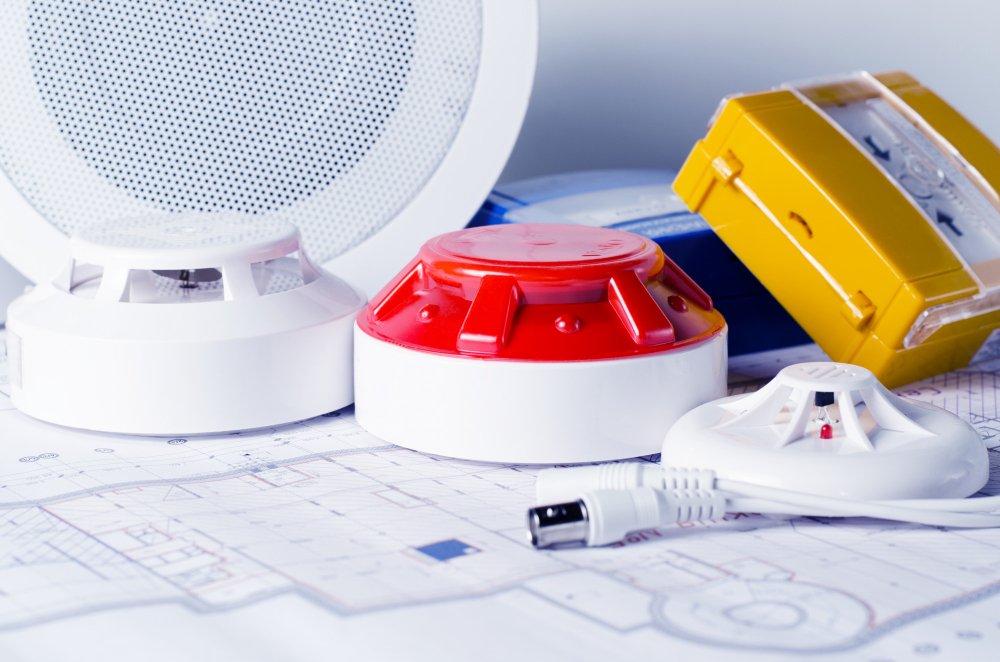
Fire safety is a top priority for building owners in the country. An FDAS System in the Philippines helps properties follow the Fire Code. This system detects smoke or heat at the start of a fire. It alerts people inside the building to leave immediately. Local laws require these systems in most commercial and residential buildings.
Table Of Content
The Bureau of Fire Protection sets the rules for fire safety. These rules state how a building must detect and stop fires. An FDAS includes smoke detectors, manual call points, and alarm bells. These parts work together to provide a fast response to danger. Building owners must maintain these systems to pass yearly inspections.
Parts of a Fire Detection and Alarm System
A standard system has three main parts to manage fire risks. The first part is the initiating device like a smoke or heat sensor. These sensors find signs of fire without human help. The second part is the control panel which acts as the brain. It receives signals from the sensors and decides what to do next.
The third part consists of notification appliances like sirens and strobe lights. These tools tell everyone in the building that there is an emergency. Some systems also include modules that talk to other building features. These modules can close fire doors or stop elevator sets automatically. Each part must work correctly to keep the whole building safe.
Conventional Systems for Smaller Buildings
Conventional systems are common in small shops or low-rise offices. These systems group detectors into specific zones or floors. If a fire starts, the control panel shows which zone has a problem. It does not show the exact room where the fire is located. This setup is usually cheaper to buy and install for new owners.
These systems use simple wiring to connect the sensors to the panel. They are reliable for buildings with a small number of rooms. Maintenance involves testing each zone to see if the signal reaches the panel. Many small businesses in the Philippines choose this option to meet basic safety codes. It provides a good balance between cost and safety for limited spaces.
Addressable Systems for Large Commercial Spaces
Addressable systems are the standard for malls and high-rise condos. Each detector in this system has a unique identification number. The control panel shows the exact location of a fire or a fault. This helps security teams find the source of smoke within seconds. It reduces the time it takes to start putting out a fire.
These systems use a loop wiring method to connect all devices. The panel communicates with each sensor to check if it is working. Addressable systems are less likely to have false alarms from dust or steam. They provide detailed data that helps firemen during an actual emergency. This technology is better for complex buildings with many floors and rooms.
BFP Requirements and Fire Code Compliance
The Bureau of Fire Protection checks systems during the building permit process. Owners must submit a fire safety plan before they start construction. This plan includes the layout of the FDAS System in the Philippines and other tools. The BFP looks for the right number of detectors in each area. They also check if the alarm is loud enough for everyone to hear.
Non-compliance leads to fines or the closure of the business. Inspectors visit buildings every year to check the Fire Safety Inspection Certificate. They test if the FDAS panel is active and free of errors. Proper documentation of system tests is a requirement for these visits. Following these rules prevents legal issues and protects the people in the building.
Routine Maintenance and System Reliability
Regular maintenance keeps a fire system ready for a real emergency. Dust can settle on smoke sensors and cause them to fail or malfunction. Technicians must clean the devices and check the battery backup every few months. A system that does not have power will not work during a fire. Testing the manual call points is also a part of a good plan.
Most building managers hire third-party experts to do these checks. These experts provide a report that shows the system is in good shape. They replace old sensors that no longer respond to heat or smoke. Keeping a logbook of all repairs is a standard practice for safety officers. A well-kept system lasts longer and performs better when it is needed most.
Integration with Other Fire Suppression Tools
An FDAS often works with fire sprinklers and kitchen hood systems. When the smoke detector goes off, it can signal the pumps to start. It can also release magnetic door holders to block the spread of smoke. This integration creates a complete net of safety for the entire property. It ensures that the building reacts to fire in many ways at once.
Some systems also connect to the local fire station or a monitoring center. This allows the fire department to receive an alert the moment a fire starts. Fast communication reduces the chance of a small fire becoming a big disaster. Integration makes the FDAS more than just a simple alarm bell. It becomes a central tool for managing all types of building risks.
Key Takeaway
Fire safety depends on reliable detection and quick communication. An FDAS System in the Philippines ensures that buildings stay within the law. These systems protect lives by giving people time to escape a fire. Owners must choose the right system and keep it in good working order.



No Comment! Be the first one.