


Power Transformer vs Distribution Transformer: Key Differences Explained
Transformers are a vital part of electrical power systems, ensuring efficient voltage conversion for safe transmission and distribution of electricity. From power generation plants to industrial...

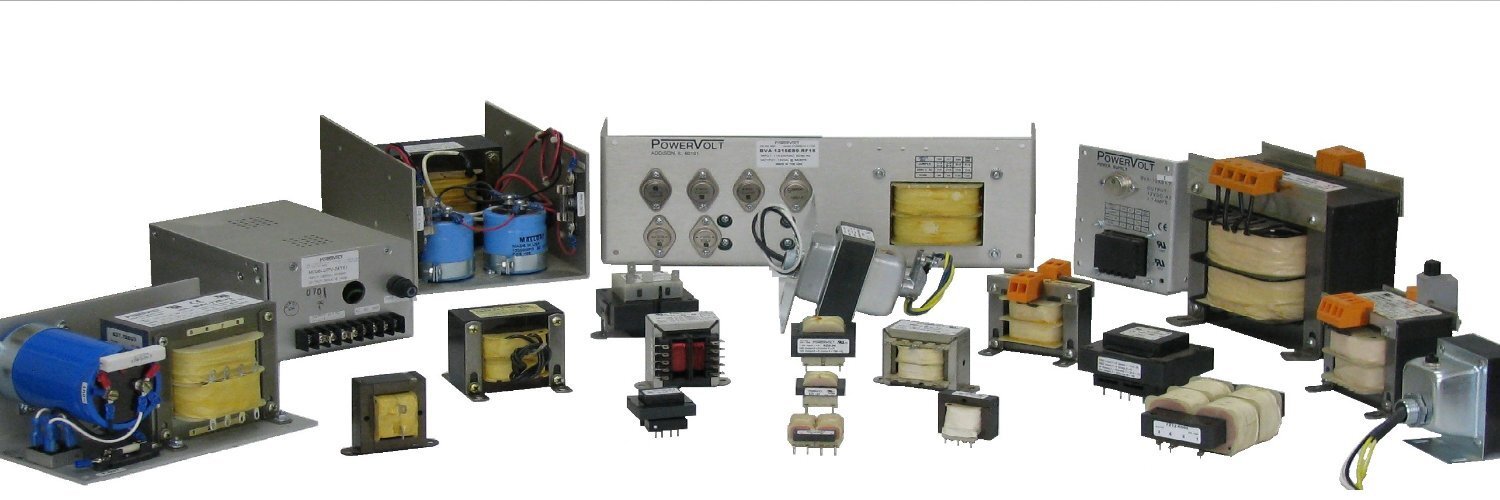
Transformers are a vital part of electrical power systems, ensuring efficient voltage conversion for safe transmission and distribution of electricity. From power generation plants to industrial control panels, transformers enable reliable power delivery at every stage.
Table Of Content
At Powervolt Group, we understand that choosing the right transformer is essential for performance, safety, and long-term efficiency. Two of the most commonly used types are power transformers and distribution transformers, each serving a distinct purpose.
What Is a Power Transformer?
A power transformer is primarily used in transmission networks to handle high voltage levels between generating stations and substations. These transformers are designed to either step up voltage for long-distance transmission or step it down for further distribution. Typically operating above 33kV, power transformers are built for maximum efficiency at full load conditions.
Key Features:
- Operate at high voltage levels (above 33kV)
- Installed in power plants and transmission substations
- Designed for peak efficiency at full load
- Larger in size and capacity
- Reduce transmission losses over long distances
Power transformers play a crucial role in ensuring efficient power transfer across large geographical areas.
What Is a Distribution Transformer?
A distribution transformer is used in the final stage of the electrical network. Its primary function is to step down voltage to levels suitable for residential, commercial, and industrial use. These transformers usually operate below 33kV and are installed close to end users.
Key Features:
- Operate at lower voltage levels (below 33kV)
- Installed near homes, offices, and industrial facilities
- Designed for high efficiency under varying load conditions
- Smaller and more compact
- Ensure safe and stable power supply to consumers
Distribution transformers are essential for delivering usable electricity to everyday applications.
Key Differences Between Power and Distribution Transformers
1. Voltage Levels
Power transformers handle high voltage for transmission, while distribution transformers manage lower voltages for end-user consumption.
2. Efficiency Focus
Power transformers are optimized for maximum efficiency at full load. In contrast, distribution transformers are designed for all-day efficiency, as they operate continuously under fluctuating loads.
3. Application Areas
Power transformers are used in transmission systems between power plants and substations. Distribution transformers are used closer to consumers in homes, buildings, and industrial setups.
4. Size and Construction
Power transformers are larger and more complex due to their high capacity. Distribution transformers are smaller, compact, and cost-effective.
Choosing the Right Transformer
Selecting the appropriate transformer depends on several factors:
- Voltage requirements
- Load conditions
- Installation location
- Efficiency expectations
- Budget constraints
For industrial control panels, automation systems, and low-voltage applications, distribution or control transformers are typically the best choice. Powervolt Group offers a wide range of transformer solutions tailored to meet these specific needs.
Conclusion
Both power transformers and distribution transformers are essential components of the electrical network, but they serve different purposes. Power transformers enable efficient high-voltage transmission, while distribution transformers deliver safe, usable voltage to end users.
Understanding these differences helps engineers, OEMs, and industry professionals make informed decisions when selecting transformers. Partnering with a reliable manufacturer like Powervolt Group ensures high-quality products, compliance with safety standards, and dependable long-term performance.
FAQs
1. What is the main difference between power and distribution transformers?
Power transformers operate at high voltage in transmission systems, while distribution transformers reduce voltage for end users.
2. Which transformer is used in transmission systems?
Power transformers are used for high-voltage transmission.
3. Why are distribution transformers installed near consumers?
They reduce voltage to safe, usable levels for homes and businesses.
4. Which is more efficient?
Power transformers are efficient at full load, while distribution transformers perform efficiently under varying loads.
5. Are power transformers larger?
Yes, they are larger due to higher voltage and capacity requirements.
6. Which transformer is suitable for industrial control applications?
Distribution or control transformers are best suited for such applications.






No Comment! Be the first one.