


Why Businesses Are Moving Toward Advanced HSM Solutions for Data Protection
In today’s fast-evolving digital landscape, businesses are increasingly faced with a growing range of cybersecurity challenges. With the rise in cyberattacks, data breaches, and ever-more stringent...

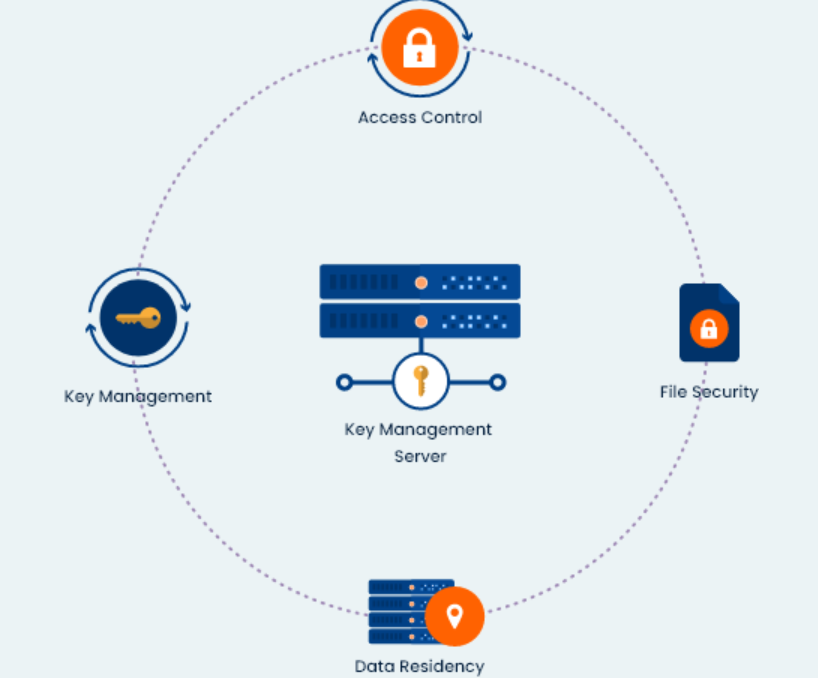
In today’s fast-evolving digital landscape, businesses are increasingly faced with a growing range of cybersecurity challenges. With the rise in cyberattacks, data breaches, and ever-more stringent regulations, ensuring the safety of sensitive data has become a critical priority for organizations worldwide. As businesses continue to digitize their operations, they are turning to advanced solutions to safeguard their data. One such solution that has gained significant traction in recent years is the Hardware Security Module.
Table Of Content
- What Is an HSM Solution?
- Key Reasons Why Businesses Are Turning to Advanced HSM Solutions
- 1. Rising Cybersecurity Threats
- 2. Regulatory Compliance
- 3. Enhanced Data Security and Protection
- 4. Secure Payment Processing
- 5. Scalability for Digital Transformation
- 6. Protection Against Insider Threats
- 7. Cost-Effective Security Solution
- Conclusion
HSM solutions are a vital part of a robust data protection strategy, providing businesses with secure key management, encryption capabilities, and enhanced security for sensitive information. This shift towards advanced HSM solutions is not just a trend but a response to increasing risks and regulatory pressures. Let’s explore why businesses are moving toward HSM solutions for data protection.
What Is an HSM Solution?
A Hardware Security Module (HSM) is a physical device designed to generate, store, and manage cryptographic keys in a secure environment. HSMs provide hardware-based encryption, ensuring that encryption keys and sensitive data are protected from both internal and external threats. Unlike software-based encryption systems, HSMs offer the added advantage of physical security, making them more resilient to cyberattacks and data breaches.
HSM solutions are used by organizations to safeguard critical data in various sectors, including finance, healthcare, government, and e-commerce. With cyberattacks becoming more sophisticated, traditional methods of securing data are no longer sufficient, and businesses are looking for more advanced solutions like HSMs to stay ahead of potential threats.
Key Reasons Why Businesses Are Turning to Advanced HSM Solutions
1. Rising Cybersecurity Threats
Cyber threats are at an all-time high, with data breaches, ransomware, and phishing attacks becoming more prevalent and increasingly sophisticated. Businesses, large and small, are constantly under attack from hackers looking to exploit vulnerabilities and steal sensitive information.
Advanced HSM solutions help mitigate these risks by providing a secure environment for storing encryption keys, ensuring that even if attackers gain access to a company’s network, they cannot easily access or misuse critical cryptographic keys. The physical security of HSM devices adds an extra layer of protection against tampering or unauthorized access.
2. Regulatory Compliance
As data protection regulations become stricter, businesses are under growing pressure to protect sensitive data and meet compliance standards. Regulations like the General Data Protection Regulation (GDPR), Payment Card Industry Data Security Standard (PCI DSS), and Health Insurance Portability and Accountability Act (HIPAA) require businesses to implement strong encryption and key management practices to safeguard customer data.
HSM solutions are crucial in ensuring compliance with these regulations by providing secure key management and encryption capabilities. Using HSM solutions allows businesses to demonstrate that they are taking the necessary steps to protect customer data and meet regulatory requirements, avoiding hefty fines and reputational damage.
3. Enhanced Data Security and Protection
Data breaches and hacks are not only costly but can severely damage a company’s reputation. In 2026, customers and partners demand more than just a promise of data security; they expect businesses to proactively protect their information.
HSM solutions provide an added layer of protection through secure key management, data encryption, and tamper-resistant features. With an HSM, businesses can ensure that sensitive data—such as payment information, personal customer details, and trade secrets—remain protected against both external and internal threats. In case of a breach, HSMs also provide an auditable trail of key usage, helping businesses identify and respond to potential attacks quickly.
4. Secure Payment Processing
The financial sector is one of the most vulnerable to data breaches, especially as digital payment systems and online banking continue to grow. Payment service providers, banks, and financial institutions handle large volumes of sensitive customer data, making them prime targets for cybercriminals.
HSM solutions play a vital role in securing digital payments by encrypting payment information and ensuring the safe storage and transmission of sensitive data. With HSMs, businesses can generate and store encryption keys for payment transactions, secure cardholder data, and meet industry standards like PCI DSS for secure payment processing. As digital transactions continue to rise, businesses that rely on HSM solutions are better equipped to protect their payment systems and ensure the trust of their customers.
5. Scalability for Digital Transformation
As businesses continue to embrace digital transformation, the volume of data they generate and store has grown exponentially. Managing and securing this data becomes increasingly complex, especially for organizations moving to the cloud or adopting hybrid environments.
Advanced HSM solutions are highly scalable, providing businesses with the flexibility to meet the growing demands of digital transformation. Whether a business is operating on-premise, in the cloud, or using a hybrid approach, HSM solutions can be integrated seamlessly to provide robust security for key management, data encryption, and compliance requirements. This scalability ensures that as businesses grow, their data protection measures remain strong and effective.
6. Protection Against Insider Threats
While external cyberattacks are a major concern, insider threats are often overlooked. Employees, contractors, and business partners who have access to sensitive data can intentionally or unintentionally cause harm by leaking information or compromising security.
HSM solutions can help mitigate insider threats by ensuring that encryption keys and critical data are only accessible to authorized individuals. With advanced access controls and role-based permissions, businesses can limit access to sensitive information, reducing the risk of data leaks and insider breaches.
7. Cost-Effective Security Solution
While traditional security measures like firewalls, antivirus software, and network security tools are important, they are not always sufficient to prevent data breaches. As the cost of a data breach continues to rise, businesses are realizing that investing in advanced HSM solutions is a cost-effective way to prevent the significant financial and reputational damage that comes with a security breach.
By investing in HSM solutions, businesses can reduce the risk of data loss, minimize the impact of security incidents, and avoid the costs associated with regulatory fines, lawsuits, and reputation recovery.
Conclusion
As the cybersecurity landscape becomes more complex and data protection regulations tighten, businesses are increasingly turning to advanced HSM solutions to safeguard their sensitive data. HSMs provide a secure, scalable, and cost-effective solution for managing cryptographic keys, encrypting data, and ensuring compliance with industry regulations. With the growing risks posed by cyberattacks, insider threats, and financial fraud, businesses that adopt HSM solutions are better positioned to protect their data, maintain customer trust, and remain competitive in 2026 and beyond.


No Comment! Be the first one.