


Recycling Sorting Equipment Guide with Vibrating Screen Systems
Efficient waste management has become a critical requirement in modern industrial operations due to increasing environmental concerns and resource recovery needs. One of the most important...

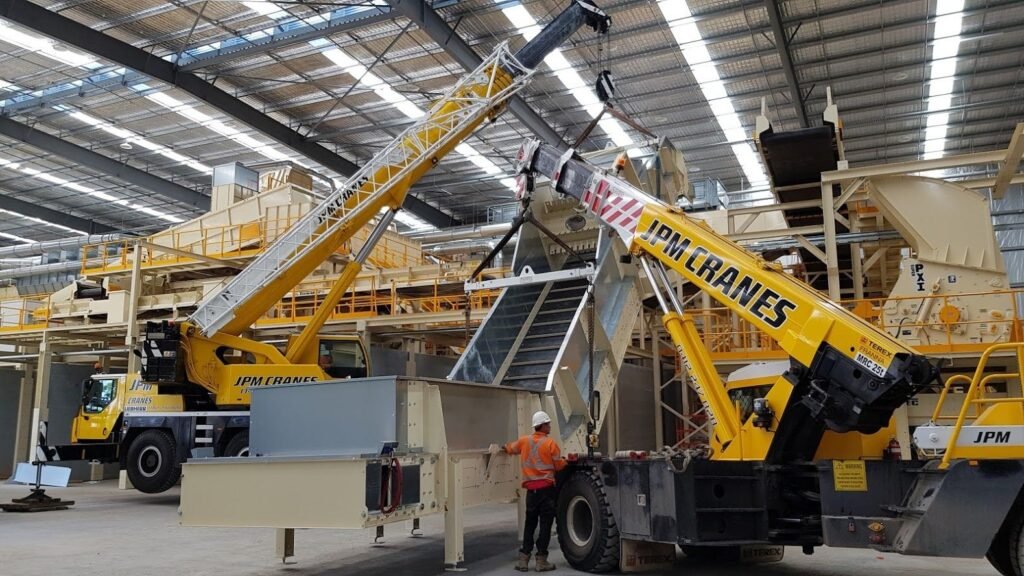
Efficient waste management has become a critical requirement in modern industrial operations due to increasing environmental concerns and resource recovery needs. One of the most important technologies supporting this process is recycling sorting equipment, which helps separate waste materials into usable and non-usable fractions.
Table Of Content
- What Is Recycling Sorting Equipment?
- How Screens Improve Recycling Efficiency?
- 1. Pre-Sorting of Waste Materials
- 2. Continuous Material Flow
- 3. Multi-Layer Separation
- 4. Adaptability to Different Waste Types
- Understanding the Screen Working Principle
- Applications in Recycling Sorting Systems
- Municipal Solid Waste Processing
- Construction and Demolition Waste
- Industrial Recycling Plants
- Compost and Organic Waste Processing
- Benefits of Using This Screen Technology
- Maintenance and Operational Considerations
- Conclusion
In advanced recycling facilities, recycling-sorting equipment plays a central role in improving processing efficiency, reducing reliance on landfills, and increasing material recovery rates. Among the various machines used in this system, vibrating technology is one of the most widely implemented for high-capacity separation tasks.
What Is Recycling Sorting Equipment?
Recycling sorting equipment refers to a combination of machines designed to separate mixed waste streams into different categories, such as metals, plastics, organics, and inert materials. These systems are commonly used in municipal waste plants, construction waste facilities, and industrial recycling centres.
A typical system may include:
- Conveyors for material transport
- Magnetic separators for metal recovery
- Air classifiers for lightweight material separation
- Screening machines for size-based sorting
Each component works together to improve efficiency and ensure maximum material recovery. In modern facilities, automation and mechanical sorting have significantly reduced reliance on manual sorting methods.
How Screens Improve Recycling Efficiency?
The effectiveness of recycling sorting equipment largely depends on how well materials are separated in the early processing stages. These screens improve efficiency in several ways:
1. Pre-Sorting of Waste Materials
They remove oversized or undersized particles before further processing, reducing system load.
2. Continuous Material Flow
The vibrating motion ensures a steady flow of waste, preventing blockages and improving operational consistency.
3. Multi-Layer Separation
Advanced screens can separate materials into multiple size fractions in a single pass, increasing productivity.
4. Adaptability to Different Waste Types
They can handle dry, wet, heavy, and mixed waste streams depending on design configuration.
These features make vibrating systems the backbone of modern recycling plants.
Understanding the Screen Working Principle
A screen operates using mechanical vibration generated by motors or eccentric shafts. This vibration causes the screen deck to oscillate, which moves material forward while allowing separation based on particle size.
The process includes:
- Feeding mixed waste onto the screen surface
- Vibration spreading material evenly
- Fine particles passing through screen openings
- Larger particles move forward for further sorting
This continuous motion ensures efficient classification of materials with minimal manual intervention.
Applications in Recycling Sorting Systems
Recycling sorting equipment using screens is applied across multiple industries:
Municipal Solid Waste Processing
Used to separate household waste into recyclable and non-recyclable fractions.
Construction and Demolition Waste
Helps sort concrete, wood, metals, and debris by size.
Industrial Recycling Plants
Used for processing scrap materials and recovering valuable components.
Compost and Organic Waste Processing
Separates organic matter for composting and soil production.
These applications highlight the versatility of screening systems in waste management.
Benefits of Using This Screen Technology
The integration of screens into recycling sorting equipment offers several advantages:
- High throughput capacity
- Low maintenance requirements
- Energy-efficient operation
- Reliable long-term performance
- Improved sorting accuracy
Their simple yet effective design makes them a preferred choice for large-scale recycling facilities.
Maintenance and Operational Considerations
To ensure long-term performance, screens require regular maintenance:
- Inspect the screen mesh for wear and tear
- Check vibration motors for proper operation
- Clean the surface to prevent material buildup
- Ensure proper alignment of mechanical components
Proper maintenance reduces downtime and extends machine lifespan, improving overall plant efficiency.
Conclusion
Modern waste management relies heavily on advanced systems, such as recycling-sorting equipment, to efficiently process and recover valuable materials. Within these systems, the vibrating screen plays a crucial role in separating waste based on size and improving overall processing performance. By combining mechanical efficiency with scalable design, vibrating technology continues to support sustainable recycling operations across multiple industries.





No Comment! Be the first one.