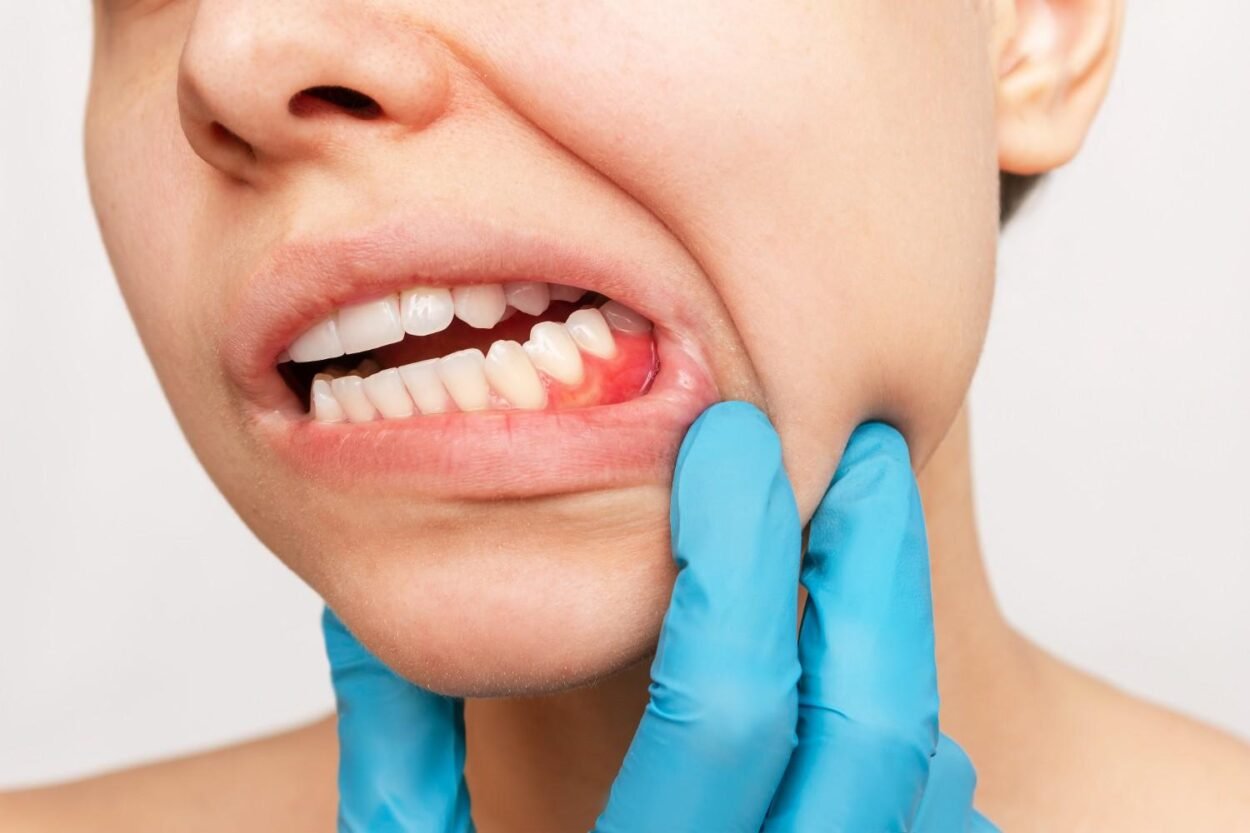
Taking care of your gums is an important part of keeping your teeth long and healthy. A lot of people brush and whiten their teeth, but they don’t always check on their gums until problems get worse. In order to avoid major oral problems in the future, it is crucial to be aware of the early gum disease signs. The best ways to keep your natural teeth and avoid expensive dental treatments are to get professional care and find problems early on.
Basic Insights About Gum Disease
Gum disease, also known as periodontal disease, is a common oral health issue caused by bacterial infection in the gums. As explained at, it typically begins with plaque, a sticky film of bacteria that builds up on the teeth and gums. When brushing and flossing are neglected, this buildup can lead to inflammation and infection.
If left untreated, gum disease can gradually damage the bone and soft tissues that support the teeth. It often starts as gingivitis, a mild and reversible condition, and can progress to periodontitis, a more severe form that may result in tooth loss. Recognizing the early signs of gum disease is essential to prevent further infection and protect long-term oral health.
Common Early Gum Disease Signs
If you pay attention, you can often see the early gum disease signs, which are often not very obvious. One of the first signs is gums that bleed when you floss or brush. If your gums are healthy, they shouldn’t bleed easily, so this is a clear sign that inflammation has started. Red and swollen gums are another sign. These are often signs of pain from plaque buildup.
If you brush your teeth and still have bad breath, it could mean you have gum disease. Bad smells are caused by germs that get stuck in the gum pockets and stay there until the problem is treated. There may also be sore gums or a change in how your teeth fit together when you bite. At first glance, these signs may not seem important, but they are actually early danger signs that you shouldn’t ignore.
How Gum Disease Progresses Without Treatment?
The infection can spread deeper into the gum tissue if the early gum disease signs are ignored. When plaque turns into tartar, it’s much harder to get rid of with regular brushing. It makes areas where more germs can hide when the gums pull away from the teeth. When this happens, the infection gets worse and hurts the bone that holds your teeth in place.
At this point, teeth may become loose or move around, and in the end, they may fall out. Not only does bad gum disease ruin your smile, but it has also been linked to heart disease, diabetes, and lung infections. This makes getting gum disease treatment as soon as possible even more crucial for your general health.
The Importance of Professional Gum Disease Treatment
As soon as you notice any signs, you should make an appointment with your dentist for a full checkup. When you get professional gum disease treatment, you can stop the problem in its early stages and keep it from getting worse. You can’t get rid of plaque and tartar buildup on your teeth and gums at home. The dentist will clean them for you.
In light cases, getting your teeth cleaned by an expert and improving your oral care can help your gums get healthy again. It is best to use deep cleaning methods like scaling and root cutting for more serious cases. These treatments get rid of bacteria below the gum line and smooth out the tooth roots, which helps the gums connect to the teeth again. In the worst cases, surgery may be needed to fix the bones and muscles that support the body.
How to Prevent Gum Disease?
Professional care is important, but good habits every day are the best way to stay healthy. You can get rid of plaque before it gets hard by flossing every day and brushing twice a day with fluoride toothpaste. You can also get rid of bad germs in your mouth by using an antibiotic mouthwash.
To find any early gum disease signs before they get worse, regular dental checkups every six months are essential. Dentists can see swelling, measure gum pockets, and suggest ways to keep cavities from happening based on your mouth’s health. Eating a healthy diet, drinking plenty of water, and not smoking are also good for gum health.
The Link Between Healthy Gums and Overall Health
Not only do healthy gums keep your teeth in place, but they are also good for your general health. Researchers have found that gum infections that aren’t handled can make people with diabetes more likely to get heart disease, stroke, and other problems. Since the mouth is linked to the rest of the body, taking care of your gums can help lower inflammation throughout the body and boost your immune system.
For effective gum disease treatment, patients often prefer to consult an experienced dental professional at a trusted clinic such as LiT Dental. They are considered to be the best medical centers to provide excellent dental care services.
Conclusion
The key to keeping your teeth and avoiding major oral health problems is catching the early gum disease. If your gums bleed, smell bad, or swell up, these are not just small problems; they are signs that your gums need care. When you get regular dental care and take care of your teeth, you can fix gum problems early on and keep your smile healthy for years to come.

Sign up