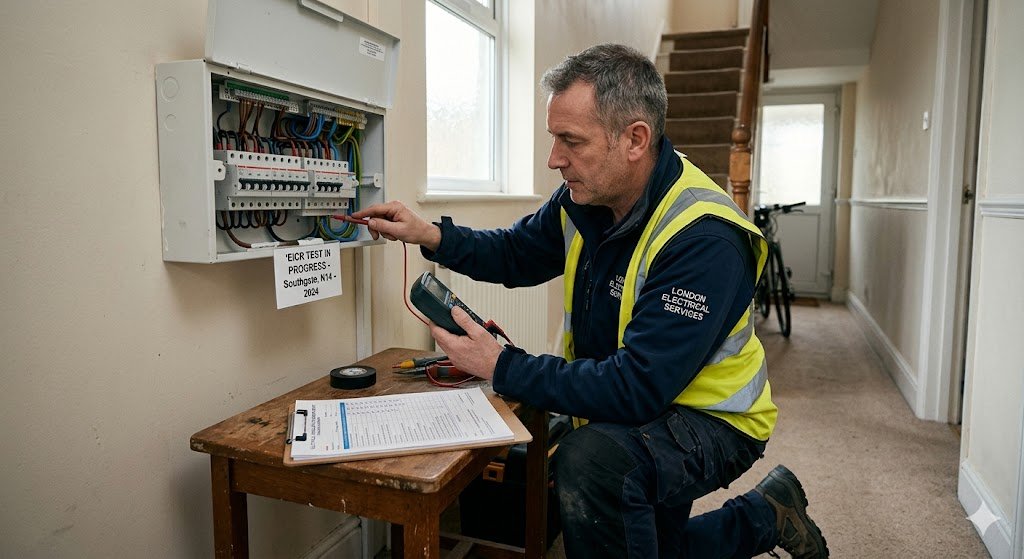
Gas safety is a critical legal and health responsibility for property owners across London—and in high-density areas like Holloway, the risks are even greater. With a large number of rental properties, older buildings, and shared accommodations, ensuring gas systems are safe is essential.
What is a Gas Safety Certificate (CP12)?
A Gas Safety Certificate in Holloway, commonly known as a CP12, is a legal document issued by a qualified Gas Safe registered engineer after inspecting gas appliances and installations.
It confirms:
- Gas appliances are safe and working efficiently
- Pipework and flues are secure
- Ventilation meets safety standards
- No carbon monoxide risks are present
This certificate is legally required for landlords and valid for 12 months.
Why Gas Safety Matters: UK Statistics & Evidence
Gas safety is not just a compliance issue—it’s a matter of life and death.
Key UK Data:
- Around 30 deaths per year are linked to carbon monoxide poisoning
- In one year, 43 people died from accidental CO poisoning, with additional deaths from other gases
- CO incidents continue to occur across England, with fire services attending numerous cases annually
Critical Insight:
- 1 in 5 homeowners has never had a gas safety check
These figures highlight the ongoing risk—especially in areas like Holloway with older housing and high tenant turnover.
Legal Requirements in Holloway (UK Law Explained)
Gas safety is governed by the Gas Safety (Installation and Use) Regulations 1998.
Landlord Responsibilities:
Annual Gas Safety Checks
- Must be carried out every 12 months
- Covers all gas appliances and flues
Provide CP12 Certificate:
- Within 28 days of inspection
- Before new tenants move in
Maintenance Duties:
- Appliances must be kept in safe condition
- Repairs must be completed promptly
Carbon Monoxide Alarms:
- Mandatory in rooms with gas appliances
Consequences of Non-Compliance
Failing to comply with gas safety laws can result in:
- Unlimited fines
- Criminal prosecution
- Invalid eviction notices
- Insurance issues
According to safety guidance, unsafe appliances must never be used under any circumstances
Why Holloway Properties Face Higher Gas Risks
Holloway has unique characteristics that increase gas safety concerns:
Older Properties
Victorian and converted flats often have outdated systems.
High Rental Density
Frequent tenant changes can lead to missed maintenance.
HMOs & Shared Housing
Multiple appliances increase complexity and risk.
These factors make regular professional inspections essential.
What Happens During a Gas Safety Inspection?
A CP12 inspection involves detailed checks:
Core Inspection Areas:
Appliance Testing:
- Boilers
- Gas cookers
- Fires
Technical Checks:
- Gas tightness (leak detection)
- Burner pressure and performance
- Flue flow analysis
Safety Checks:
- Ventilation adequacy
- Carbon monoxide risk
What’s Included in a CP12 Certificate?
A Gas Safety Certificate includes:
- Engineer’s Gas Safe registration number
- Inspection date
- Appliance condition
- Safety classification:
- Safe
- At Risk (AR)
- Immediately Dangerous (ID)
Dangerous appliances must be disconnected immediately.
Frequency & Renewal Rules
- Landlords: Mandatory every 12 months
- Homeowners: Strongly recommended annually
You can renew your certificate up to 2 months early without losing validity.
Cost of Gas Safety Certificate in Holloway
Costs depend on:
- Number of appliances
- Property size
- Type (flat, house, HMO)
Typical Pricing:
- £60 – £100 (standard properties)
- £100+ for larger or shared properties
A small investment compared to legal and safety risks.
Expert Insights: Why Regular Checks Are Essential
Gas Engineers Say:
- Most dangerous faults are invisible
- Appliances can become unsafe without warning
Property Experts Say:
- Preventative maintenance reduces long-term costs
- Compliance protects landlords legally
Risks of Ignoring Gas Safety
Ignoring gas safety can lead to:
- Carbon monoxide poisoning
- Fires and explosions
- Legal penalties
- Tenant disputes
Real Case Insight (Community Experience):
“A gas leak was discovered months after a safety check.”
This highlights the need for:
- Reliable inspections
- Ongoing vigilance
Why choose gassafetycertificateuk.co.uk?
For reliable gas safety services in Holloway, gassafetycertificateuk offers:
Key Benefits:
- Gas Safe registered engineers
- Fast and flexible booking
- Affordable pricing
- Digital CP12 certificates
- Full legal compliance
Ideal for landlords and homeowners seeking stress-free, professional service.
Step-by-Step Process
- Book your inspection
- Engineer visits your property
- Full safety checks completed
- Issues identified (if any)
- CP12 certificate issued
Future of Gas Safety in London
Trends:
- Stricter enforcement of landlord compliance
- Increased awareness of carbon monoxide risks
- Wider use of CO alarms and smart safety devices
Gas safety will continue to be a top regulatory priority.
Final Thoughts
Gas safety in Holloway is essential due to the area’s dense housing and aging infrastructure. A valid Gas Safety Certificate ensures:
- Legal compliance
- Tenant protection
- Reduced financial risk
Choosing gassafetycertificateuk.co.uk guarantees reliable service, full compliance, and peace of mind.
FAQs
1. Is a Gas Safety Certificate mandatory in Holloway?
Yes, for landlords it is legally required across England.
2. How long is a CP12 certificate valid?
It is valid for 12 months.
3. Can tenants request the certificate?
Yes, landlords must provide it within 28 days.
4. What happens if an appliance fails inspection?
It will be marked as “At Risk” or “Immediately Dangerous” and must be repaired or disconnected.
5. Are carbon monoxide alarms required?
Yes, they are mandatory in rooms with gas appliances.
6. Do homeowners need a gas safety certificate?
Not legally, but it is strongly recommended for safety.


Sign up