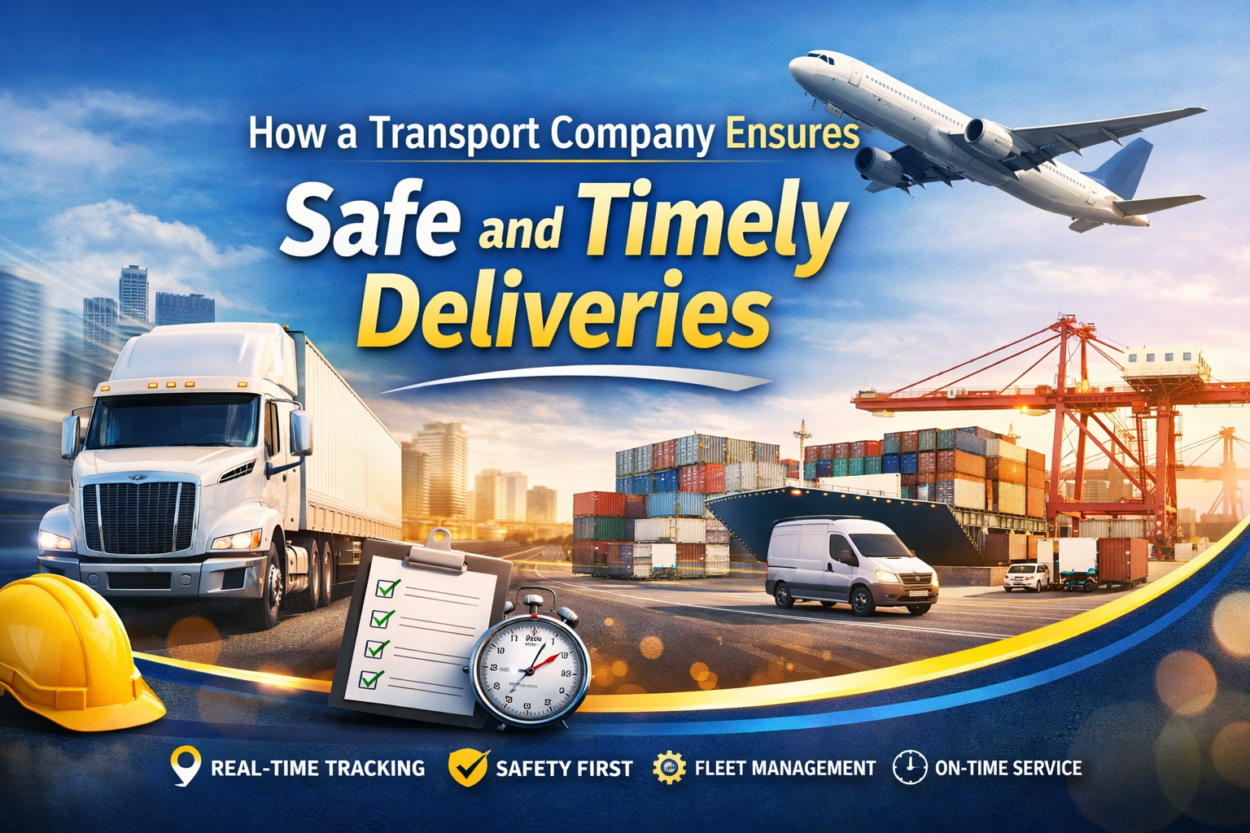
In today’s fast-paced and highly competitive business environment, safe and timely deliveries are critical to maintaining customer satisfaction and operational efficiency. Whether it’s e-commerce parcels, industrial goods, or perishable items, a professional transport company plays a vital role in ensuring that shipments reach their destination securely and on schedule. But how exactly do transport companies achieve this level of reliability? Let’s explore the key strategies and systems they use.
1. Advanced Route Planning and Optimization
One of the most important factors in timely delivery is efficient route planning. Transport companies use advanced GPS systems and route optimization software to determine the fastest and safest paths for their drivers. These tools consider real-time traffic conditions, road closures, weather updates, and delivery priorities.
By minimizing delays and avoiding congested routes, companies can significantly improve delivery timelines. Additionally, route optimization helps reduce fuel consumption, making operations more cost-effective and environmentally friendly.
2. Well-Maintained Fleet and Regular Inspections
A reliable transport company invests heavily in maintaining its fleet of vehicles. Regular inspections, servicing, and preventive maintenance ensure that trucks and delivery vehicles are always in top condition.
Mechanical failures can lead to unexpected delays and safety risks. By conducting routine checks on brakes, tires, engines, and other critical components, transport companies minimize breakdowns and ensure smooth operations. A well-maintained fleet not only enhances safety but also boosts delivery reliability.
3. Skilled and Trained Drivers
Drivers are at the heart of any transport operation. Professional transport companies hire experienced drivers and provide them with ongoing training in safe driving practices, defensive driving techniques, and emergency handling.
Training programs often include:
- Road safety regulations
- Handling hazardous or fragile goods
- Time management and route adherence
- Customer service skills
Skilled drivers are better equipped to handle unexpected situations such as traffic jams, adverse weather conditions, or vehicle issues, ensuring deliveries remain on track.
4. Real-Time Tracking and Monitoring
Modern transport companies use real-time tracking systems to monitor shipments throughout their journey. GPS-enabled tracking allows both the company and customers to know the exact location of their goods at any given time.
This transparency offers several benefits:
- Quick response to delays or route changes
- Improved communication with customers
- Enhanced security against theft or loss
If any issue arises, such as a delay or deviation from the route, the operations team can take immediate corrective action to keep deliveries on schedule.
5. Proper Packaging and Handling
Ensuring the safety of goods begins with proper packaging. Transport companies often provide guidelines or support for secure packaging to prevent damage during transit.
For fragile or sensitive items, special handling procedures are followed, including:
- Use of protective materials like bubble wrap and cushioning
- Temperature-controlled containers for perishable goods
- Secure loading and unloading practices
Proper handling reduces the risk of damage and ensures that goods arrive in perfect condition.
6. Strong Communication Systems
Clear and consistent communication is essential for smooth transport operations. Transport companies maintain strong communication channels between drivers, dispatch teams, and customers.
Drivers receive real-time updates on routes, delivery schedules, and any changes. Meanwhile, customers are kept informed about delivery status, estimated arrival times, and any delays.
Effective communication helps avoid misunderstandings, improves coordination, and enhances overall service reliability.
7. Use of Technology and Automation
Technology plays a crucial role in modern transport systems. From automated scheduling to digital documentation, transport companies leverage technology to streamline operations.
Key technologies include:
- Transport Management Systems (TMS) for planning and execution
- Electronic Proof of Delivery (ePOD) for instant confirmation
- AI-based demand forecasting to manage workloads efficiently
Automation reduces human errors, speeds up processes, and ensures greater accuracy in delivery timelines.
8. Compliance with Safety Regulations
Transport companies must adhere to strict safety and regulatory standards. These include vehicle safety norms, driver working hours, cargo handling regulations, and environmental guidelines.
Compliance ensures that operations are conducted safely and legally. It also builds trust with clients, as they can be confident that their goods are handled responsibly and professionally.
9. Contingency Planning and Risk Management
Even with the best planning, unexpected challenges can arise. That’s why transport companies develop contingency plans to handle disruptions such as:
- Traffic accidents
- Vehicle breakdowns
- Weather-related delays
- Supply chain disruptions
Having backup vehicles, alternative routes, and emergency response strategies allows companies to quickly adapt and minimize delays.
10. Customer-Centric Approach
Finally, a reliable transport company prioritizes customer satisfaction. By understanding client needs and delivery expectations, companies can tailor their services accordingly.
This includes:
- Offering flexible delivery options
- Providing accurate delivery time windows
- Ensuring quick resolution of issues
A customer-focused approach not only ensures timely deliveries but also builds long-term trust and loyalty.
Conclusion
Ensuring safe and timely deliveries is a complex process that requires careful planning, skilled personnel, advanced technology, and a strong commitment to quality. From route optimization and fleet maintenance to real-time tracking and customer communication, transport companies use a combination of strategies to deliver excellence.
In a world where speed and reliability are crucial, partnering with a professional transport company can make all the difference. Businesses that choose the right logistics partner can enhance their operations, reduce risks, and ultimately provide a better experience for their customers.

Sign up