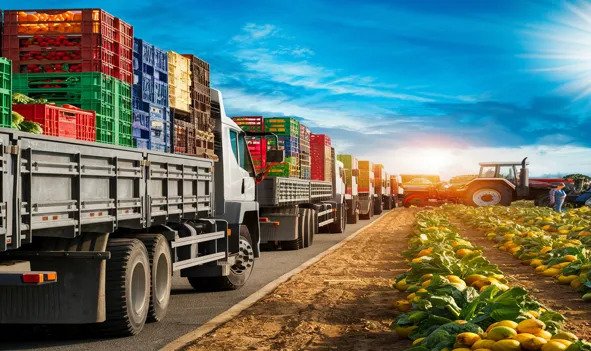
The agriculture sector is the backbone of many economies, especially in a country like India where a large percentage of the population depends on farming for livelihood. However, producing crops is only one part of the equation, the real challenge lies in transporting agricultural goods safely and efficiently from farms to markets, warehouses, or export destinations. This is where agriculture cargo services play a vital role.
In today’s fast-moving supply chain ecosystem, ensuring the safety, freshness, and quality of agricultural produce is critical. From grains and pulses to fruits, vegetables, and perishable items, every product requires specialized handling.
Understanding Agriculture Cargo Services
Agriculture cargo services refer to specialized logistics solutions designed for transporting agricultural products. These services include handling, packaging, storage, and transportation of farm produce through various modes such as road, rail, air, and sea.
These services are tailored to meet the unique requirements of agricultural goods, which are often sensitive to temperature, humidity, and physical handling. With the increasing demand for fresh and high-quality produce both domestically and internationally, the importance of agriculture cargo services in India has grown significantly.
Importance of Safe Transportation in Agriculture
Safe transportation is essential in agriculture logistics for several reasons:
- Prevents spoilage and damage of perishable goods
- Maintains product quality and freshness
- Reduces financial losses for farmers and exporters
- Ensures timely delivery to markets and consumers
- Meets regulatory and export compliance standards
Without proper logistics support, agricultural produce can suffer significant losses due to poor handling, delays, and environmental factors.
Key Challenges in Agricultural Transportation
Before understanding how logistics providers ensure safety, it is important to identify the common challenges faced in transporting agricultural goods:
1. Perishability
Fruits, vegetables, dairy products, and flowers have a short shelf life and require immediate transportation under controlled conditions.
2. Temperature Sensitivity
Many agricultural products require specific temperature ranges to remain fresh and usable.
3. Fragility
Certain goods like fruits and vegetables are prone to physical damage during loading, unloading, and transit.
4. Seasonal Demand
Agricultural logistics often face peak demand during harvest seasons, creating pressure on transportation systems.
5. Infrastructure Limitations
In rural areas, poor road connectivity and lack of storage facilities can complicate logistics operations.
How Agriculture Cargo Services Ensure Safe Transportation
Professional logistics providers use advanced techniques and systems to overcome these challenges and ensure safe delivery of agricultural products.
1. Proper Packaging Solutions
One of the most critical aspects of safe transportation is packaging. Agriculture logistics services use high-quality packaging materials designed to protect goods from damage and environmental factors.
- Use of ventilated crates for fruits and vegetables
- Moisture-resistant packaging for grains
- Shock-absorbing materials for delicate items
- Eco-friendly and reusable packaging options
Proper packaging not only protects goods but also enhances shelf life and reduces wastage.
2. Temperature-Controlled Transportation
Cold chain logistics is a game-changer in agriculture cargo services. Temperature-controlled vehicles and storage facilities help maintain the freshness of perishable goods.
- Refrigerated trucks for fruits, vegetables, and dairy
- Controlled humidity systems
- Real-time temperature monitoring
- Pre-cooling and post-harvest treatment
Agriculture cargo services in India are increasingly adopting cold chain solutions to meet both domestic and export demands.
3. Efficient Handling and Loading Techniques
Handling plays a crucial role in preventing physical damage to agricultural goods. Logistics providers train their staff in proper handling techniques to ensure safety at every stage.
- Use of forklifts and pallet systems
- Gentle loading and unloading processes
- Minimizing manual handling
- Proper stacking to avoid crushing
These practices ensure that goods reach their destination in perfect condition.
4. Advanced Tracking and Monitoring Systems
Technology has revolutionized agriculture logistics services. Real-time tracking systems allow both service providers and customers to monitor shipments throughout the journey.
- GPS tracking for vehicles
- Real-time updates on shipment status
- Alerts for delays or route changes
- Data analytics for route optimization
This transparency helps in quick decision-making and ensures timely delivery.
5. Optimized Transportation Routes
Efficient route planning is essential to reduce transit time and avoid delays. Agriculture logistics providers use advanced software to determine the fastest and safest routes.
- Avoiding traffic congestion
- Selecting routes with better road conditions
- Reducing fuel consumption and costs
- Ensuring timely delivery of perishable goods
Optimized routing is especially important for agriculture export cargo services, where timing is critical.
6. Compliance with Safety and Quality Standards
Agricultural exports must comply with strict international standards. Logistics providers ensure that all safety and quality regulations are met.
- Adherence to food safety standards
- Proper documentation and certifications
- Compliance with export regulations
- Hygiene and sanitation protocols
Agriculture export cargo services play a key role in maintaining global quality benchmarks.
7. Warehousing and Storage Solutions
Safe storage is just as important as transportation. Modern warehousing facilities are equipped with advanced systems to preserve agricultural products.
- Temperature-controlled warehouses
- Pest control measures
- Inventory management systems
- Segregation of different product types
Agriculture cargo services in India are increasingly investing in smart warehousing to enhance supply chain efficiency.
8. Use of Specialized Vehicles
Different types of agricultural products require different transportation methods. Logistics providers use specialized vehicles based on the nature of the cargo.
- Refrigerated trucks for perishables
- Bulk carriers for grains and pulses
- Tankers for liquid agricultural products
- Air cargo for high-value and time-sensitive goods
This customization ensures maximum safety and efficiency.
9. Risk Management and Insurance
Despite all precautions, risks such as accidents, delays, and natural disasters can occur. Agriculture logistics services include risk management strategies to minimize losses.
- Cargo insurance coverage
- Emergency response systems
- Backup transportation plans
- Damage control protocols
These measures provide financial security and peace of mind to farmers and exporters.
10. Skilled Workforce and Expertise
A trained workforce is essential for handling agricultural cargo efficiently. Logistics providers invest in training programs to enhance skills and knowledge.
- Training in handling perishable goods
- Knowledge of safety protocols
- Understanding of export requirements
- Expertise in logistics management
Experienced professionals ensure smooth operations and high service quality.
Role of Agriculture Logistics in Export Growth
India is one of the largest exporters of agricultural products in the world. Efficient agriculture export cargo services play a crucial role in boosting exports.
- Ensuring timely delivery to international markets
- Maintaining product quality during long transit
- Meeting global compliance standards
- Enhancing competitiveness in global markets
With the growing demand for Indian agricultural products, the importance of reliable logistics services continues to rise.
Benefits of Professional Agriculture Cargo Services
Choosing the right logistics partner offers several advantages:
- Reduced wastage and losses
- Improved product quality
- Faster delivery times
- Cost-effective transportation
- Enhanced customer satisfaction
Agriculture cargo services in India are becoming more advanced, offering end-to-end solutions for farmers, traders, and exporters.
Future of Agriculture Cargo Services in India
The future of agriculture logistics services looks promising with the integration of technology and infrastructure development.
- Adoption of AI and IoT in logistics
- Expansion of cold chain networks
- Government initiatives to support agriculture logistics
- Growth of e-commerce in agricultural products
- Increased focus on sustainability and eco-friendly practices
These advancements will further improve the efficiency and reliability of agriculture cargo services.
Conclusion
Safe transportation is the backbone of the agricultural supply chain. From proper packaging and temperature control to advanced tracking and compliance with global standards, agriculture cargo services ensure that farm produce reaches its destination in the best possible condition.
With the growing demand for high-quality agricultural products, the role of agriculture logistics services has become more critical than ever. Whether it is domestic distribution or international exports, professional agriculture export cargo services help minimize losses, maintain quality, and enhance overall supply chain efficiency.
As India continues to strengthen its position in the global agricultural market, investing in reliable and advanced agriculture cargo services in India will be key to sustainable growth and success.


Sign up