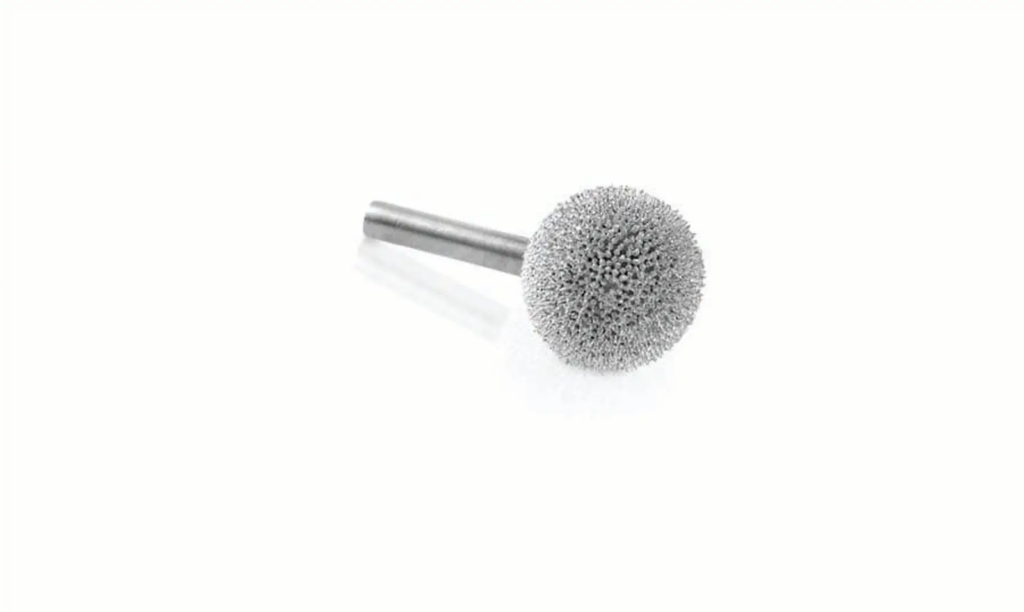
Selecting the right nail hole reamer is essential for effective tire maintenance and repair. These tools play a crucial role in preparing punctured areas of tires so repair materials, such as plugs or patch-stem units, can adhere properly. Understanding the different features and uses of nail hole reamers and integrating them with tire buffing for repair practices ensures reliable and durable results.
Understanding Nail Hole Reamers and Their Purpose
A nail hole reamer is a specialized tool designed to clean and shape puncture holes in tires, particularly in bias tires. Removing debris and smoothing the interior of the puncture, it creates an ideal surface for repair plugs or patches. Using a nail hole reamer reduces stress around the hole, enhances adhesion, and minimizes the risk of repair failure. These tools are commonly used alongside tire buffing wheels, which texture and prepare the surrounding rubber for optimal bonding.
A 1/4″ shaft nail hole reamers are widely used in tire repair operations for their precision in accessing tight repair areas. Their compact size allows controlled material removal where larger buffing wheels cannot reach, making them indispensable for both small and complex repairs.
Key Features to Consider When Choosing a Nail Hole Reamer
Material and Durability
High-quality reamers are typically made from hardened steel or coated with durable abrasives. This ensures longevity and consistent performance over multiple repairs. Durable materials also help maintain sharp edges, which is vital for effective hole preparation without unnecessarily enlarging the puncture.
Shaft Size and Compatibility
A 1/4″ shaft size is standard for many tire repair tools, including rotary devices. Choosing a compatible shaft ensures stability and proper control during operation. Incompatible tools can cause wobbling, uneven reaming, or even damage to the tire.
Shape and Cutting Design
Nail hole reamers come in various shapes and flute patterns, including spiral or straight cutting surfaces. Spiral designs efficiently remove rubber, while straight flutes offer precise control. Selecting the right type depends on your repair needs, whether you are performing frequent professional repairs or occasional DIY fixes.
Ergonomics and Ease of Use
Tool balance and length affect comfort and control. Longer reamers can access deeper punctures, while shorter, ergonomic tools are easier to handle in tight spaces. Proper ergonomics reduces operator fatigue and improves accuracy during the reaming process.
Integrating Nail Hole Reamers with Tire Buffing Practices
Reaming is often paired with tire buffing for repair, where a tire buffing wheel textures the surrounding rubber surface. Buffing removes oxidation layers and prepares the interior for adhesive application. This two-step preparation reaming followed by buffing ensures that repair plugs or patch-stem units bond securely and reduces the risk of air leaks.
Buffing wheels come in various sizes and abrasive grades, matching different tire types and repair areas. Using a buffing wheel in combination with a nail-hole reamer enables comprehensive preparation, ensuring repairs are durable and reliable.
Best Practices for Using a Nail Hole Reamer
- Remove foreign objects from the puncture before reaming.
- Rotate the reamer evenly to prevent over-reaming.
- Clear debris from the hole after each pass.
- Pair reaming with tire buffing for precise surface preparation.
These steps optimize the repair process and improve adhesion for patch or plug applications.
Conclusion
Choosing the right nail hole reamer enhances the efficiency and reliability of tire repair operations. Prioritizing durability, proper shaft compatibility, and ergonomic design ensures consistent performance. When paired with tire buffing for repair and a tire buffing wheel, these tools provide a professional-grade surface preparation that improves repair adhesion and longevity. Investing in quality nail hole reamers and integrating them with a tire buffer wheel in your repair workflow guarantees safer, long-lasting tire repairs for both professional and DIY applications.
Sign up