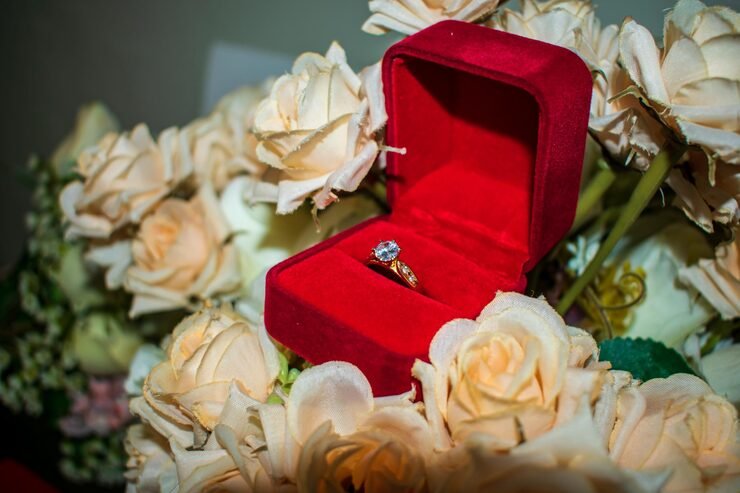
The fine jewelry industry has always celebrated craft, but something notable is happening right now. Modern engagement rings are not just selling well — they’re winning awards, earning critical recognition, and reshaping what the industry considers excellent design. If you’re in the early stages of exploring engagement ring options and want to understand what truly outstanding design looks like, this guide breaks down the award-winning styles making waves, what sets them apart, and what you can learn from them when making your own choice.
What the Fine Jewelry Industry Looks for in Award-Winning Modern Engagement Rings
Before exploring specific styles, it helps to understand how the fine jewelry industry actually evaluates rings for recognition and awards.
Major bodies like the Jewelry Information Center, the Couture jewelry show, and international competitions such as the AGTA Spectrum Awards assess pieces across several criteria. These include design originality, technical craftsmanship, stone selection and setting quality, innovation in materials or technique, and overall wearability.
Modern engagement rings that win awards typically excel across all of these areas simultaneously — not just in one. A ring can be visually striking but lose marks for poor stone setting. Another can be technically flawless but fall short on creative vision.
What judges consistently reward right now is the combination of thoughtful design and practical excellence. Rings that look distinctive, hold up to scrutiny under magnification, use ethically sourced or innovative materials, and feel genuinely wearable in everyday life — those are the pieces earning top recognition.
The Design Characteristics That Set Award-Winning Modern Engagement Rings Apart
Award-winning rings in the modern category share certain design signatures that distinguish them from standard commercial offerings.
Sculptural settings are one of the clearest markers. Rather than using off-the-shelf prong or basket settings, the most recognized contemporary designers are creating settings that feel architectural — where the metal becomes as much a part of the design as the stone itself. Tension settings, bypass designs, and asymmetric prong arrangements have all appeared in recent award categories.
Unusual stone pairings are another hallmark. Many recognized pieces combine a primary center stone with accent stones in unexpected ways — mixing diamond cuts within the same ring, using colored stones as a frame rather than just side accents, or incorporating rough and polished stones together for textural contrast.
Here are the specific design elements judges have consistently highlighted in recent award cycles:
- Organic, nature-inspired forms that move away from geometric symmetry
- Negative space used deliberately as a design element within the band or setting
- Mixed metal work with precise color transitions between yellow, white, and rose gold
- Ethically sourced or lab-grown center stones paired with premium craftsmanship
- East-west and tilted stone orientations that create unexpected visual angles
These aren’t just aesthetic choices — they represent genuine creative and technical advancement in what engagement ring design can be.
Stone Cuts and Settings Leading the Industry Recognition Circuit
If you track which specific stone cuts and setting styles appear most frequently in award submissions and winners, clear patterns emerge.
The elongated fancy cuts — oval, pear, and marquise — continue to dominate because they photograph well, maximize visual carat weight, and allow designers more flexibility in setting orientation. A marquise stone set at a slight diagonal, for example, creates an entirely different visual dynamic than the same stone set traditionally.
Emerald and Asscher cuts are also appearing more frequently in recognized designs. Their step-cut faceting creates a hall-of-mirrors effect that rewards high clarity stones and suits the clean, architectural aesthetic many contemporary designers are working within.
Bezel settings — where the stone is encircled entirely by metal rather than held by prongs — have earned particular praise in recent award evaluations for their balance of security, clean lines, and modern sensibility. They’re also practical, which judges in certain categories explicitly consider as part of overall design merit.
Lab-grown diamonds and colored gemstones like Montana sapphires, Paraiba tourmalines, and parti-colored sapphires have all appeared in award-winning submissions. The industry is clearly signaling that it values material innovation alongside design innovation.
Practical Tips for Choosing Modern Engagement Rings Inspired by Award-Winning Design
Understanding what makes a ring award-worthy is genuinely useful when you’re shopping — even if your budget is nowhere near the price point of competition pieces. The design principles that earn recognition translate directly into what makes a ring beautiful and lasting in real life.
Start by looking beyond the center stone. Award-winning rings are rarely about the stone alone. The relationship between the stone, the setting, and the band is what creates a coherent design. When evaluating rings, step back and look at the whole piece rather than focusing exclusively on the diamond or gemstone.
Pay attention to finishing quality. Under any magnification, the metalwork on a well-crafted ring should be clean and consistent. Prongs should be uniform in size and placement. Pavé stones should sit evenly. Any rough edges or inconsistencies in metal finishing are signs of lower craftsmanship, regardless of how the ring looks in a photo.
Consider proportionality relative to your hand. Award-winning pieces are designed to be worn — proportions matter. A sculptural ring that looks dramatic on a display stand may overpower a smaller hand. Ask your jeweler to show you pieces at different scales and try them on before deciding.
Think about longevity of design. Trend-driven rings can look dated within a few years. Award-winning designs tend to have an enduring quality because they’re rooted in strong design principles rather than just current fashion. Ask yourself whether the ring would still feel special in twenty years.
Don’t overlook custom design options. Many award-winning jewelers also offer bespoke or semi-custom services. If a particular design philosophy resonates with you — organic forms, sculptural metalwork, mixed cuts — a skilled designer can apply those principles to a ring made specifically for your partner.
Common Mistakes to Avoid When Evaluating Fine Jewelry Quality
Even with a clear sense of what to look for, a few common errors are worth flagging.
- Judging quality by brand name alone. Award-winning work comes from independent designers as often as from established houses. Research the maker’s credentials, not just their marketing.
- Assuming higher price equals better design. Cost reflects materials and labor, but not always design intelligence. Some of the most recognized pieces in recent award cycles have been modest in scale but exceptional in concept.
- Overlooking the certification trail. Award-recognized jewelers typically provide full documentation for their stones — origin, treatment history, and grading reports. If a seller can’t provide this, walk away regardless of how the piece looks.
- Confusing complexity with quality. Some buyers assume more detail means better craftsmanship. In reality, clean, intentional simplicity executed perfectly is often harder to achieve — and more frequently rewarded in professional evaluations.
Conclusion
Award-winning design is a window into what’s genuinely possible in fine jewelry. Use it as your benchmark when evaluating options — and take your time finding a jeweler who brings the same level of intention to your ring that the best in the industry bring to their most recognized work.
FAQs
Do award-winning modern engagement rings cost more than regular rings?
Not necessarily. Awards recognize design excellence and craftsmanship, not price point. Some recognized pieces use modest materials executed beautifully. That said, the designers behind award-winning work often command higher prices for custom commissions.
Are lab-grown diamonds accepted in fine jewelry award competitions?
Yes, increasingly so. Several major competitions now include categories specifically recognizing lab-grown diamond work, reflecting the industry’s broader acceptance of these stones as a legitimate and technically impressive material choice.
How do I find a jeweler whose work reflects award-winning design standards?
Look for jewelers who participate in recognized competitions, display industry affiliations, and can share their portfolio of custom and fine work. Membership in bodies like the American Gem Society or the Gemological Institute of America is also a positive indicator of professional standards.
What is the most important factor in a modern engagement ring’s design quality?
Craftsmanship in the setting is the most revealing indicator. How the stone is held, how the metal is finished, and how all elements relate to each other tells you far more about a ring’s true quality than the stone’s carat weight or the metal’s price per gram.


Sign up