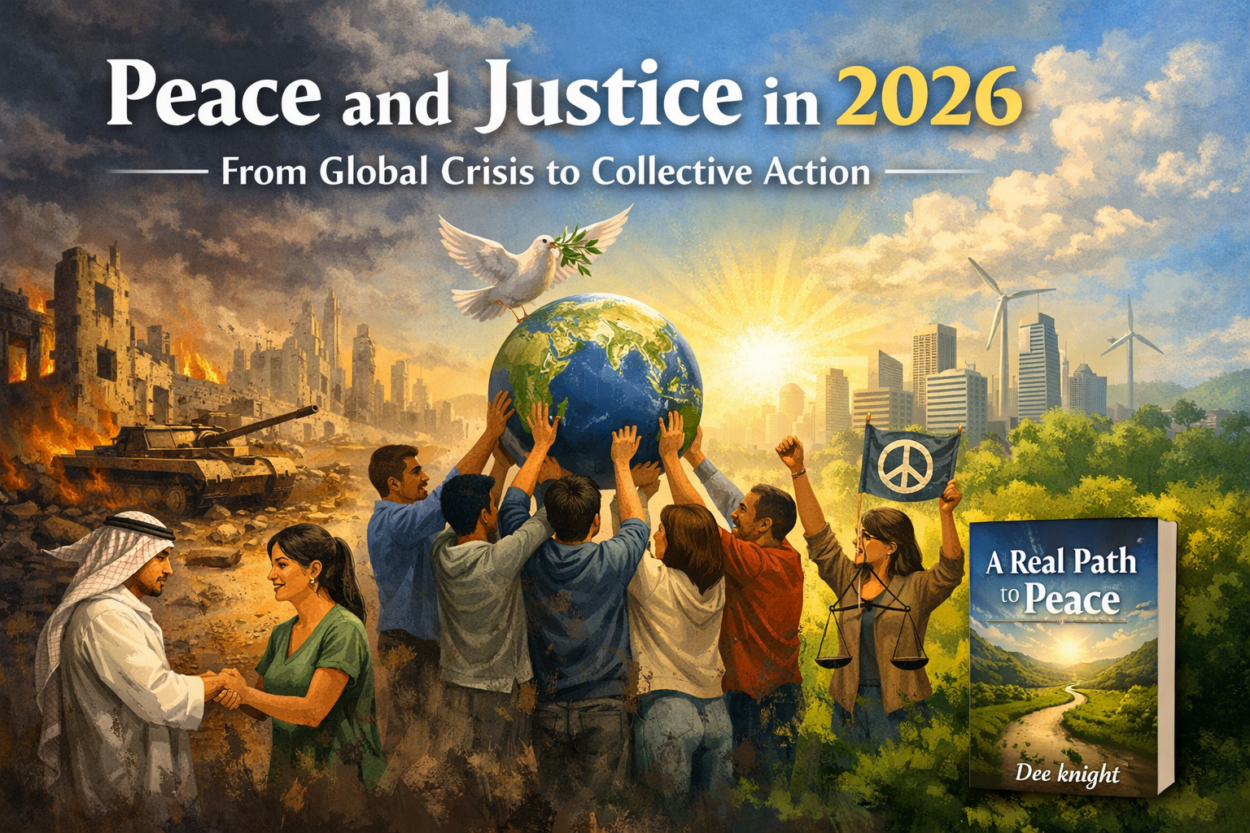
The year 2026 has brought the world to a definitive crossroads. From the ongoing diplomatic tensions in the Middle East to the shifting power dynamics between the West and the Global South, one truth remains constant: there can be no sustainable peace without a foundation of absolute justice. As we navigate the complexities of modern imperialism and the threat of regional wars, we must recognize that “Peace and Justice” is not merely the absence of gunfire—it is the presence of equity, sovereignty, and human rights.
On this blog, we have often explored the historical roots of activism and the lessons learned from the Vietnam era and the Sandinista revolution. Those lessons are more relevant today than ever. True Peace and Justice require a radical departure from “maximalist” diplomacy and a move toward genuine international cooperation.
The Illusion of Peace Without Equity
History is littered with “peace plans” that were little more than demands for surrender. In 2026, we see this pattern repeating in global flashpoints. When a powerful nation imposes terms that ignore the economic and territorial sovereignty of another, they are not seeking peace; they are seeking a managed submission.
Justice demands that every nation, regardless of its size or military standing, has a seat at the table. Whether discussing the 15-point proposals in the Middle East or the future of US-China relations, a framework that prioritizes the interests of the few over the rights of the many will always be fragile.
Dismantling 21st-Century Imperialism
To achieve global justice, we must address the lingering structures of imperialism that continue to shape the 21st century. Modern imperialism doesn’t always look like 19th-century colonialism; today, it often manifests as economic blockades, lopsided trade agreements, and “interventionist” foreign policies that destabilize entire regions under the guise of security.
As explored in my books, A Realistic Path to Peace and Befriending China, the path forward requires us to dismantle the “us vs. them” binary. Justice involves acknowledging past harms—including the impact of Western interventionism—and committing to a multipolar world where diplomacy is based on mutual respect rather than coercion.
The Role of Collective Action
If 2026 has taught us anything, it is that Peace and Justice is not something handed down by governments; it is something demanded by the people. From veteran-led anti-war movements to grassroots activists fighting for climate justice and economic equality, the power to shift the global narrative lies in collective action.
Justice is the active process of holding power accountable. It means:
- Defending Sovereignty: Opposing illegal occupations and interventionist wars.
- Economic Fairness: Challenging global systems that prioritize corporate profit over human lives.
- Diplomatic Integrity: Promoting transparency in international negotiations to ensure they serve the people, not just political elites.
Looking Ahead: A Realistic Path
As we look toward the remainder of 2026 and beyond, our goal must be a “Positive Peace.” This is a state where the causes of conflict—poverty, inequality, and systemic oppression—are addressed at their roots.
The struggle for Peace and Justice is long and often difficult, but it is the only struggle that ensures a future for the next generation. We must continue to speak truth to power, challenge the narratives of war, and build a world where the dignity of every human being is the highest law of the land.
For more insights into modern activism and historical perspectives on global conflict, explore my latest updates on “A Realistic Path to Peace” and join the conversation on how we can build a more just world together.


Sign up