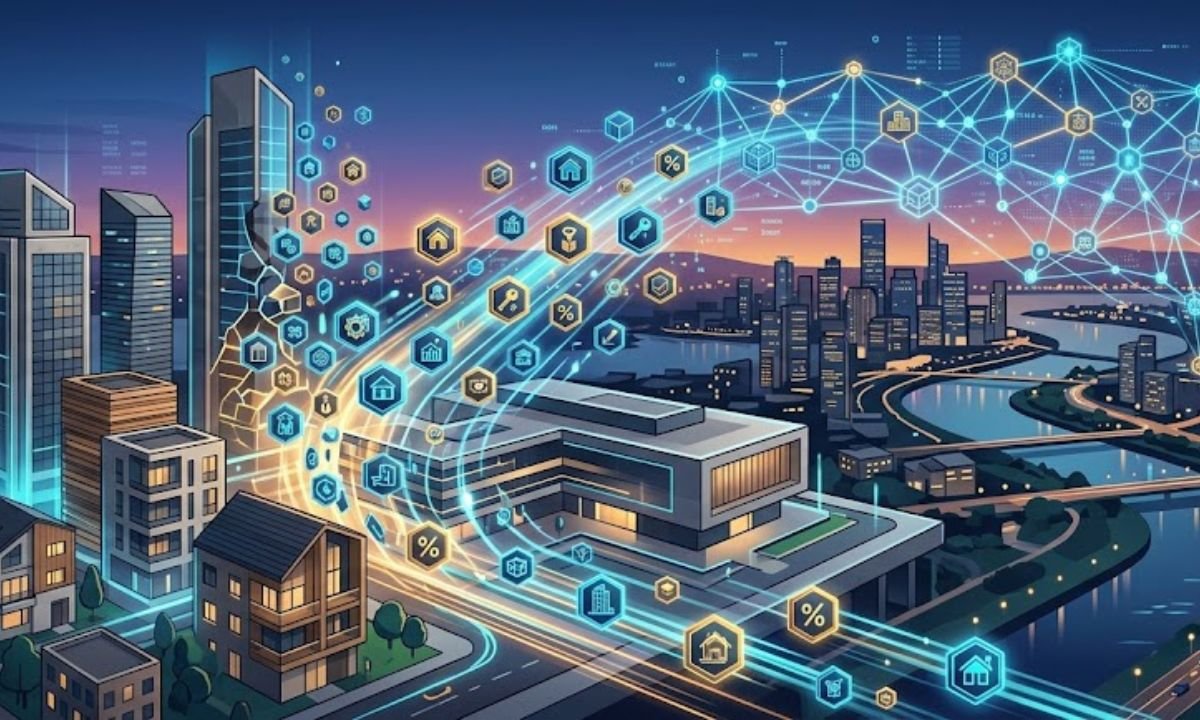
Real estate has always been considered one of the most stable and valuable asset classes in the world. From residential apartments to commercial office spaces, physical property has traditionally required large capital commitments, complex legal procedures, and long holding periods. However, with the emergence of blockchain technology, a new model is gaining traction where property ownership can be digitized and divided into smaller units. This concept, widely known as real estate asset tokenization, is changing how investors access and interact with property markets.
Real Estate Tokenization refers to the process of converting ownership rights of a real-world property into digital tokens on a blockchain. These tokens represent fractional ownership, allowing multiple investors to hold a share of a single property. This shift is attracting attention from investors, developers, and financial institutions alike, as it introduces new ways to invest, manage, and trade property assets.
Understanding Real Estate Tokenization
At its foundation, Real Estate Tokenization involves representing physical real estate assets as digital tokens stored on a blockchain network. Each token corresponds to a portion of ownership, income rights, or both. Instead of purchasing an entire property, investors can buy smaller fractions, making real estate more accessible.
This model reduces the traditional barriers associated with property investment, such as high entry costs and limited liquidity. It also introduces a digital layer that records ownership details, transactions, and compliance in a secure and immutable manner.
A Real Estate Tokenization company typically manages the process from property selection to token issuance. These companies handle legal structuring, smart contract deployment, and compliance requirements to ensure that tokenized assets meet regulatory standards.
Why Real Estate Needs Tokenization
Traditional real estate markets face several challenges. These include illiquidity, high transaction costs, lack of transparency in ownership records, and geographic limitations. Buying or selling property often takes weeks or months, and involves multiple intermediaries such as brokers, lawyers, and banks.
Real estate tokenization development addresses these challenges by introducing a digital framework where ownership can be transferred more efficiently. It reduces reliance on intermediaries and simplifies the process of buying and selling property shares.
Another major advantage is fractional ownership. Investors who previously could not afford high-value properties can now participate by purchasing smaller token units. This opens up global investment opportunities and diversifies portfolios.
How Real Estate Asset Tokenization Works
The process of real estate asset tokenization involves several structured steps. It begins with identifying a property and conducting due diligence, including valuation, legal verification, and compliance checks.
Once the property is verified, it is typically placed under a legal entity such as a Special Purpose Vehicle (SPV). Ownership of this entity is then divided into digital tokens. These tokens are issued on a blockchain using smart contracts.
Investors can purchase these tokens through a platform, gaining proportional ownership rights. Depending on the structure, token holders may receive rental income, dividends, or capital appreciation benefits.
A Real Estate Tokenization Development company plays a critical role in this process by designing and implementing the technical infrastructure required for token issuance and management.
Benefits of Real Estate Tokenization
Real Estate Tokenization brings several advantages that are reshaping how property investments are approached.
Increased Liquidity
Traditional real estate investments are not easily liquidated. Tokenization allows property shares to be traded on digital platforms, making it easier for investors to enter or exit positions.
Fractional Ownership
Investors can own a portion of high-value properties without committing large sums of money. This democratizes access to premium real estate assets.
Reduced Costs
By minimizing intermediaries, transaction costs can be significantly lower compared to traditional property deals.
Global Accessibility
Investors from different parts of the world can participate in property markets without geographical constraints.
Efficient Record Keeping
Blockchain technology ensures that ownership records are secure, immutable, and easily verifiable.
Role of Real Estate Tokenization Services
Real Estate Tokenization Services are essential for organizations looking to digitize property assets. These services cover a wide range of functions, including legal structuring, compliance management, smart contract development, and platform integration.
Service providers also assist in asset valuation, investor onboarding, and ongoing asset management. They ensure that tokenized properties adhere to local regulations and international standards.
For businesses entering this space, working with a Real Estate Tokenization Development company can simplify the process and reduce operational complexities.
Real Estate Tokenization Platform Development
A robust platform is necessary to manage tokenized assets effectively. Real Estate Tokenization Platform Development involves creating digital ecosystems where investors can buy, sell, and manage property tokens.
These platforms typically include features such as user authentication, wallet integration, transaction tracking, and compliance tools. They also provide dashboards for investors to monitor their holdings and returns.
Developing such platforms requires expertise in blockchain technology, cybersecurity, and financial systems. Real Estate Tokenization Development Services focus on delivering these capabilities while ensuring regulatory compliance.
Methods Used in Real Estate Tokenization
Several methods are used in real estate tokenization development to structure and manage tokenized assets. Each method offers a different approach depending on the type of property and investment model.
Asset-Backed Tokenization
This method involves linking tokens directly to a physical property. Each token represents a share of ownership in the asset. Investors benefit from rental income and property appreciation.
Equity-Based Tokenization
In this model, tokens represent shares in a company that owns the property. Investors hold equity in the entity rather than the property itself.
Debt-Based Tokenization
Tokens represent debt instruments such as loans or mortgages. Investors earn returns through interest payments.
Hybrid Tokenization
A combination of equity and debt models, offering diversified investment options within a single token structure.
Key Methods in Practice
Direct ownership through tokenized shares
SPV-based ownership structures
Revenue-sharing token models
Lease-backed token arrangements
These methods are selected based on regulatory requirements, investor preferences, and property characteristics.
Challenges in Real Estate Tokenization
Despite its advantages, real estate tokenization faces several challenges. Regulatory uncertainty remains one of the biggest concerns. Different countries have varying laws regarding digital assets and securities, making compliance complex.
Another issue is market adoption. While interest is growing, many investors are still unfamiliar with blockchain-based property investments. Education and awareness are crucial for wider acceptance.
Technology risks also exist, including smart contract vulnerabilities and cybersecurity threats. Proper audits and security measures are necessary to mitigate these risks.
Liquidity, although improved compared to traditional real estate, is still dependent on the availability of active trading platforms and investor demand.
Regulatory Considerations
Compliance plays a vital role in real estate tokenization. Since tokens often represent securities, they must adhere to financial regulations. This includes investor verification, anti-money laundering measures, and reporting requirements.
Real Estate Tokenization Services providers typically handle these aspects by integrating compliance tools into their platforms. They also work closely with legal experts to ensure that token offerings meet jurisdictional requirements.
A well-structured legal framework builds trust among investors and supports long-term growth in the tokenized real estate market.
Use Cases of Real Estate Tokenization
Real estate tokenization is being applied across various segments of the property market.
Residential Properties
Tokenization allows investors to own shares in apartments and housing projects, providing access to rental income and capital gains.
Commercial Real Estate
Office spaces, retail outlets, and industrial properties can be tokenized to attract institutional and individual investors.
Hospitality Sector
Hotels and resorts can use tokenization to raise capital and share profits with token holders.
Real Estate Funds
Investment funds can tokenize their portfolios, offering diversified exposure to multiple properties.
These use cases highlight the versatility of real estate asset tokenization in different market segments.
Future Outlook
The future of real estate tokenization looks promising as more organizations adopt blockchain technology. Financial institutions, developers, and governments are beginning to recognize its potential.
Advancements in technology and clearer regulations are expected to support wider adoption. As platforms become more user-friendly, participation from retail investors is likely to increase.
Real Estate Tokenization Platform Development will continue to evolve, incorporating features such as automated compliance, secondary marketplaces, and integration with traditional financial systems.
Choosing the Right Development Partner
Selecting a reliable Real Estate Tokenization Development company is crucial for successful implementation. Businesses should consider factors such as technical expertise, regulatory knowledge, and experience in blockchain development.
A competent partner can provide end-to-end Real Estate Tokenization Development Services, covering everything from initial planning to platform deployment and maintenance.
Working with experienced providers reduces risks and ensures that tokenized assets are structured effectively.
Conclusion
Real estate asset tokenization is changing how property investments are structured and accessed. By converting physical assets into digital tokens, it introduces new possibilities for ownership, trading, and investment.
While challenges remain, ongoing developments in technology and regulation are supporting its growth. Businesses and investors who understand this model can benefit from new opportunities in the property market.
As adoption increases, Real Estate Tokenization will likely become a standard approach for managing and investing in real estate assets. With the support of a skilled Real Estate Tokenization company and reliable Real Estate Tokenization Services, organizations can participate in this evolving landscape with confidence.


Sign up