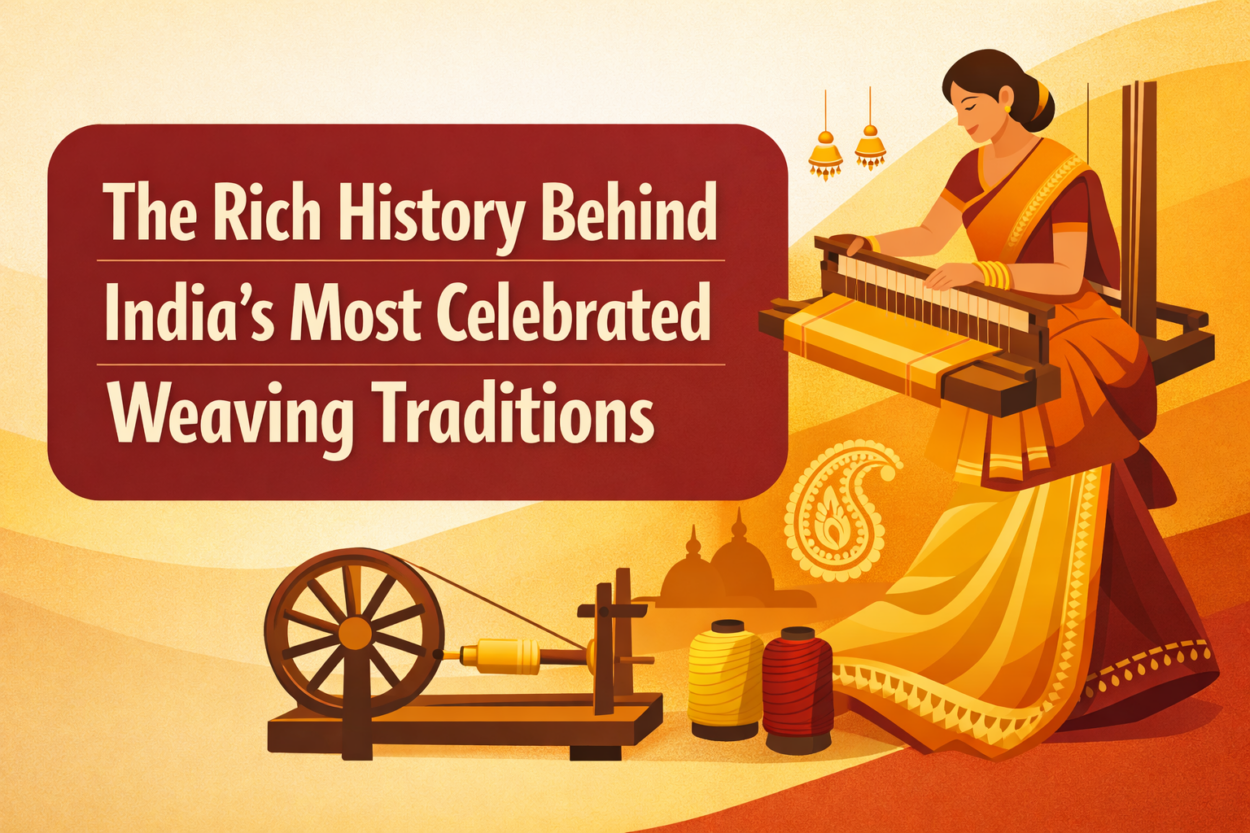
India’s tapestry of textile art stretches back thousands of years, weaving stories of dynasties, trade, and faith into every thread. Among the myriad fabrics that have emerged from this rich heritage, the vibrant silk of the southern region stands out, capturing the imagination of designers and connoisseurs alike. The artistry of this craft is exemplified by the exquisite traditional kanjivaram sarees, whose bold motifs and lustrous sheen have become synonymous with elegance and cultural pride. These garments are more than mere attire; they are living chronicles of the artisans’ devotion, the region’s history, and the enduring allure of handloom weaving.
Origins of Indian Weaving
The earliest evidence of weaving in the Indian subcontinent dates back to the Indus Valley Civilization, where impressions of spindle whorls and loom frames have been uncovered in archaeological digs. From these humble beginnings, textile production evolved into a sophisticated craft that served both utilitarian and ceremonial purposes. Ancient texts, such as the Arthashastra and the Kamasutra, reference the importance of fine fabrics, indicating that weaving was considered a vital skill for both everyday life and social status. Over centuries, techniques were refined, dyes were discovered, and the loom became a symbol of cultural identity across diverse regions.
The Silk Routes and Cultural Exchange
India’s strategic position along the Silk Routes facilitated a vibrant exchange of ideas, materials, and aesthetics. Silk, first cultivated in China, found its way to the Indian subcontinent through merchants and travelers. As silk traveled northward, it fused with local cotton and wool, giving rise to unique blends that reflected regional tastes. The movement of artisans across borders introduced new patterns, such as the intricate lotus designs of the Deccan and the geometric motifs of the Punjab. This cross-pollination enriched the textile vocabulary, allowing Indian weavers to experiment with color palettes and textures that would later influence global fashion trends.
Regional Variations and Signature Techniques
India’s vastness is mirrored in its textile diversity, with each state boasting distinct weaving traditions. In the South, the Kolam and Banarasi silks are renowned for their gold and silver brocade, while the North’s Pashmina shawls are celebrated for their softness and warmth. Each region developed its own loom technology, from the backstrap looms of tribal communities to the foot-powered floor looms of the Vellore weavers. Techniques such as ikat, brocade, and block printing gained prominence, each requiring meticulous planning and patience. These regional signatures not only defined the aesthetic appeal of the fabrics but also underscored the socio-economic structures that supported the craft.
The Rise of Kanjivaram Weaves
The town of Kanchipuram, nestled in Tamil Nadu, emerged as a pivotal hub for silk weaving during the reign of the Pallava dynasty. The weavers of Kanchipuram mastered the art of creating heavy, richly dyed fabrics that could withstand the humid climate and the demands of royalty. By the 18th century, the Kanjivaram saree had become a staple in royal courts across South India, with its characteristic bright reds, deep blues, and golden accents. The weavers’ innovative use of handloom technology allowed for intricate patterns, such as the iconic peacock and temple motifs, to be woven with precision. The sheer quality of these fabrics earned them the moniker “The Silk of the South,” cementing Kanchipuram’s reputation as a textile capital.
Craftsmanship: From Loom to Masterpiece
Creating a single Kanjivaram saree is a labor-intensive process that can span several weeks or even months. The journey begins with the selection of the finest silk fibers, which are then dyed using natural indigo, madder, and other plant-based pigments. The weavers, often belonging to specialized guilds, employ a multi-step method that includes warp preparation, weft insertion, and the meticulous weaving of motifs by hand. Each pattern is pre-drawn on the cloth, and the weavers meticulously match the design, ensuring symmetry and accuracy. The final product is not just a garment; it is a testament to the weaver’s skill, the community’s collective memory, and the cultural narrative embedded within the fabric.
Preserving Heritage in a Modern World
In the age of mass production and synthetic fibers, the survival of handloom weaving faces unprecedented challenges. Globalization has introduced cheaper alternatives, while younger generations often seek careers outside traditional crafts. However, several initiatives aim to safeguard this heritage. Government schemes provide financial support to weavers, while NGOs offer training in contemporary design to make traditional fabrics more marketable. Moreover, the rise of e-commerce platforms allows artisans to reach global audiences directly, ensuring that the stories woven into each sari continue to resonate beyond regional borders. The fusion of traditional techniques with modern aesthetics has opened new avenues for creative expression, ensuring that the legacy of Indian weaving endures.
Conclusion
India’s weaving traditions are a living mosaic of history, culture, and artistry. From the ancient indigo-dyed fabrics of the Indus Valley to the opulent silk of Kanchipuram, each thread tells a story of resilience, innovation, and communal pride. Today, as the world seeks authenticity and sustainable fashion, these age-old crafts offer a bridge between past and present. By supporting and celebrating the artisans behind each masterpiece, we honor not only the fabric itself but also the countless generations who have kept this weaving heritage alive. The legacy of these textiles is preserved in every stitch, and the future shines bright for those who continue to weave the stories of India’s most celebrated traditions. Explore the timeless allure of korvai kanjivaram sarees, and experience the rich tapestry of culture that defines them.

Sign up