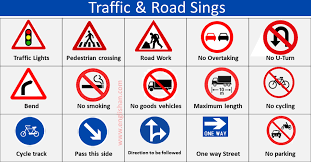
Construction zones create sudden changes in traffic flow. Drivers face lane shifts, reduced speeds, and uneven surfaces. Clear road traffic signs help manage these risks and guide vehicles safely through work areas. When combined with cones, lights, and a traffic barrier, these signs reduce confusion and protect workers on site.
Why Do Construction Zone Signs Matter?
Construction areas demand quick driver decisions. Clear signage helps drivers respond early and avoid hazards.
Protecting Drivers and Workers
Work sites often operate close to moving vehicles. Road traffic signs warn drivers about workers ahead, lane closures, and speed reductions. When drivers see these signs early, they adjust speed and position safely. A properly placed traffic barrier provides physical separation, reducing the risk of vehicles entering restricted areas.
Managing Changing Road Conditions
Roadworks often involve uneven surfaces, loose gravel, or narrowed lanes. Warning signs alert drivers to these hazards before they reach them. This early notice allows smoother lane changes and reduces the need for sudden braking. In high-risk areas, crews install a traffic barrier alongside warning signs to reinforce boundaries and improve visibility.
Common Types of Road Traffic Signs in Construction Zones
Several types of road traffic signs appear in work areas. Each serves a specific purpose and works together with other safety tools.
Warning Signs
Warning signs generally use bright colours and clear symbols. They inform drivers about roadworks ahead, detours, or lane merges. These signs encourage drivers to slow down and remain alert as they approach the site.
Regulatory Signs
Regulatory signs display temporary speed limits or stopping instructions. Drivers must follow these directions while travelling through the zone. Lower speed limits protect workers and give drivers more time to react. Crews often position a traffic barrier near narrowed lanes to support these restrictions.
Directional and Detour Signs
When roadworks block part of the roadway, directional signs guide traffic around the site. Clear arrows and route markers prevent confusion. This guidance works best when crews combine signage with cones and a traffic barrier to define safe paths.
Placement and Visibility Standards
Proper placement determines how effective road traffic signs will be. Crews position signs far enough ahead of the work area to give drivers time to respond. On higher-speed roads, they increase the distance between the first sign and the hazard. Visibility also plays an important role. Reflective materials help drivers see signs at night or in the rain.
Crews avoid placing signs behind obstructions such as trees or parked vehicles. When space allows, they align signs with a traffic barrier to create a clear visual boundary.
Best Practices for Drivers
Drivers play an active role in maintaining safety in construction zones.
- Reduce speed as soon as warning signs appear.
- Follow temporary speed limits shown on road traffic signs.
- Stay within marked lanes and avoid overtaking.
- Watch for workers, machinery, and shifting lanes.
- Respect the positions of each traffic barrier and avoid entering restricted areas.
When drivers respond early and follow clear instructions, traffic flows more smoothly and safely through work sites.
Conclusion
Construction zones demand clear communication between road crews and drivers. Well-placed road traffic signs provide that guidance and reduce the risk of crashes. When teams combine signage with a visible traffic barrier, they create safer paths for everyone on the road. Drivers who follow these signs help protect workers and support safer travel across Australia.
Sign up