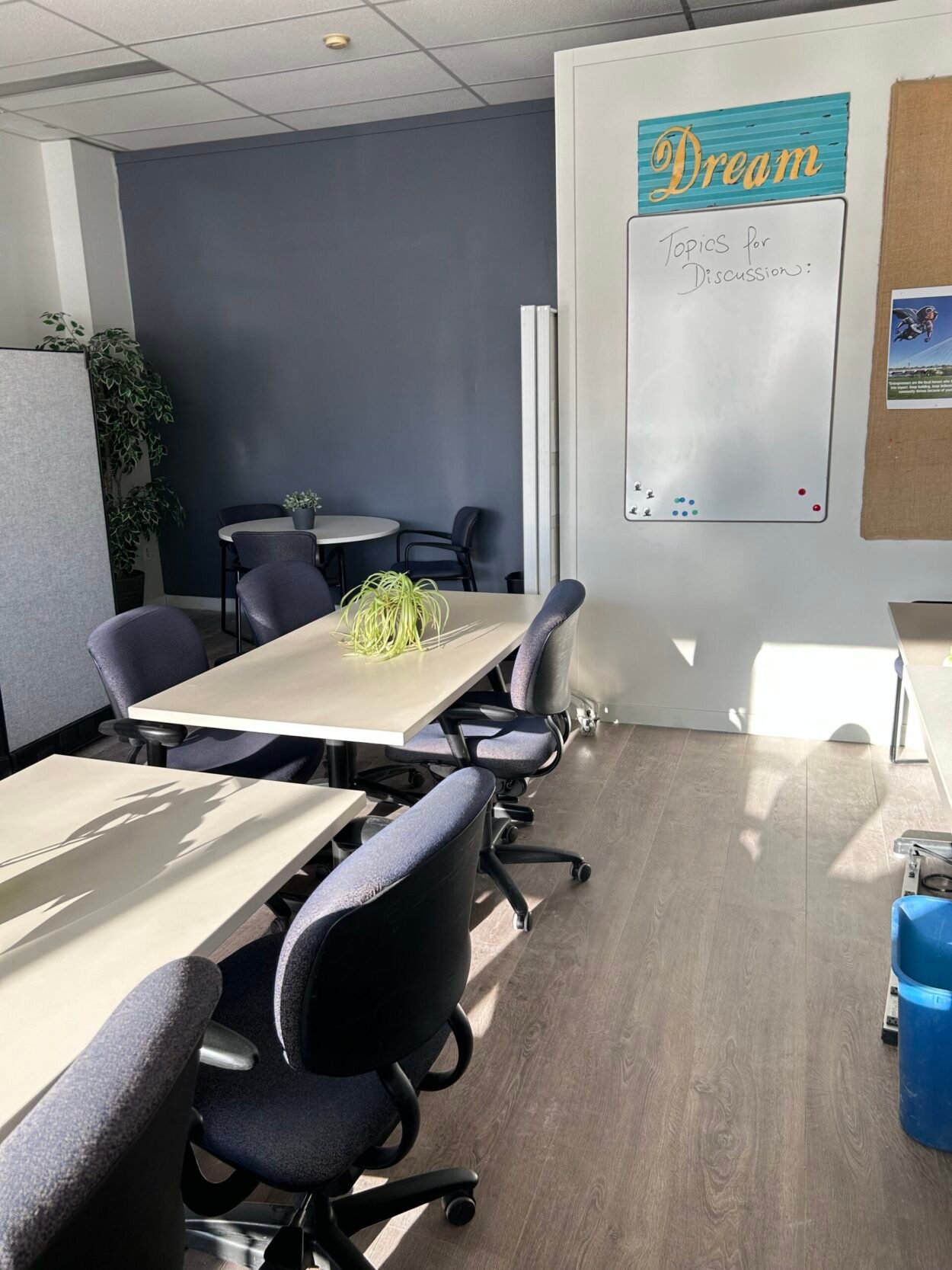
In recent years, coworking spaces have transformed the way businesses operate. From startups and freelancers to large corporations exploring flexible work models, coworking spaces provide an ecosystem that fosters collaboration, innovation, and productivity. However, not all coworking spaces are created equal. Choosing the right one can significantly impact your business’s efficiency, culture, and bottom line.
This guide will help you navigate the key factors to consider when selecting a coworking space that aligns with your business goals.
1. Understanding Coworking Spaces
What is a Coworking Space?
A coworking space is a shared workspace where individuals from different companies, freelancers, and remote employees work in a collaborative environment. Unlike traditional offices, coworking spaces offer flexible memberships, shared amenities, and opportunities to network with professionals from diverse industries.
Benefits of Coworking Spaces for Businesses
- Flexibility: Membership plans often range from daily passes to monthly subscriptions, allowing businesses to scale their workspace according to team size.
- Cost Efficiency: Renting a coworking space can be more affordable than leasing a traditional office, especially when factoring in utilities, furniture, and maintenance.
- Networking Opportunities: Shared environments encourage interactions, which can lead to collaborations, partnerships, or client leads.
- Enhanced Productivity: Many coworking spaces provide quiet zones, meeting rooms, and productivity-focused designs that minimize distractions.
2. Assessing Your Business Needs
Before searching for a coworking space, it’s crucial to understand your business requirements.
Size of Your Team
Consider the number of employees and anticipated growth. A space that fits your team comfortably without overcrowding is essential. Some coworking spaces allow businesses to expand to private offices or additional desks as the team grows.
Type of Work
Different businesses have different work dynamics. For example:
- Creative agencies may prioritize collaborative zones and meeting rooms.
- Tech startups may need high-speed internet and quiet zones for coding or development work.
- Consulting firms may value private offices for client confidentiality.
Budget Considerations
Coworking spaces vary widely in pricing. Apart from the monthly membership fee, consider additional costs such as printing, meeting room bookings, and access to premium amenities. Establishing a budget upfront prevents unexpected expenses.
3. Location and Accessibility
Proximity to Clients and Talent
The location of your coworking space can influence client meetings, employee commute, and talent attraction. Being situated near business hubs or transport links adds convenience for both employees and clients.
Accessibility for Your Team
Check the accessibility of public transport, parking facilities, and nearby amenities like restaurants, gyms, and cafes. A convenient location improves employee satisfaction and productivity.
4. Amenities and Services
A coworking space is more than just a desk—it’s about the environment and support it provides. Look for spaces that offer:
- High-Speed Internet: Essential for uninterrupted business operations.
- Meeting and Conference Rooms: Ideal for client meetings, presentations, or team discussions.
- Reception Services: Some spaces provide front desk support for packages and guest management.
- Community Events: Networking sessions, workshops, and social events can enhance collaboration and learning opportunities.
- Wellness Facilities: Access to gyms, relaxation zones, or outdoor spaces promotes employee well-being.
Private vs. Shared Spaces
Depending on your business needs, you may choose between:
- Hot Desks: Flexible desks in a shared area; ideal for freelancers or small teams.
- Dedicated Desks: Reserved desks within a shared workspace for consistency.
- Private Offices: Enclosed spaces for teams requiring privacy or confidentiality.
5. Community and Networking Opportunities
One of the biggest advantages of coworking spaces is the opportunity to engage with a like-minded community.
Evaluate the Community Culture
- Are members from industries relevant to your business?
- Does the space host networking events or learning sessions?
- Is collaboration encouraged, or is it mostly silent, individual work?
A vibrant community can lead to valuable partnerships, mentorship, and business growth opportunities.
6. Technology and Infrastructure
Reliable technology is critical for smooth operations. Before committing, assess:
- Internet speed and redundancy (backup connections).
- Availability of printers, scanners, and office equipment.
- Audio-visual setup for presentations or video conferencing.
- Security systems for data protection and asset safety.
7. Flexibility and Scalability
Your business may grow or shift its working style over time. Ensure the coworking space offers:
- Flexible lease terms (monthly, quarterly, yearly).
- Options to upgrade from hot desks to private offices.
- Scalability to accommodate more team members or amenities.
8. Trial Visits and Reviews
Before making a long-term commitment:
- Schedule a Visit: Observe the workspace, meet the community manager, and experience the environment firsthand.
- Seek Reviews: Look for feedback from current or past members to understand the space’s strengths and weaknesses.
- Check Hidden Costs: Ask about cleaning fees, meeting room charges, or utility surcharges.
A trial visit helps ensure the space aligns with your expectations and business culture.
9. Sustainability and Work-Life Balance
Modern businesses increasingly value sustainability and employee wellness. Check if the coworking space incorporates:
- Eco-friendly practices (recycling, energy-efficient lighting, sustainable furniture).
- Quiet zones and wellness programs to reduce burnout.
- Opportunities for flexible hours or hybrid work support.
These factors contribute not only to employee satisfaction but also to your brand’s reputation as a socially responsible business.
Conclusion
Choosing the right coworking space is more than picking a desk—it’s about selecting an environment that fosters growth, collaboration, and productivity. By carefully assessing your business needs, team dynamics, budget, location, and community culture, you can find a space that not only meets your requirements but also enhances your overall business performance.
A well-chosen coworking space can be a catalyst for innovation, networking, and professional success. Invest the time in research, trial visits, and careful evaluation—it will pay off in the long run.


Sign up