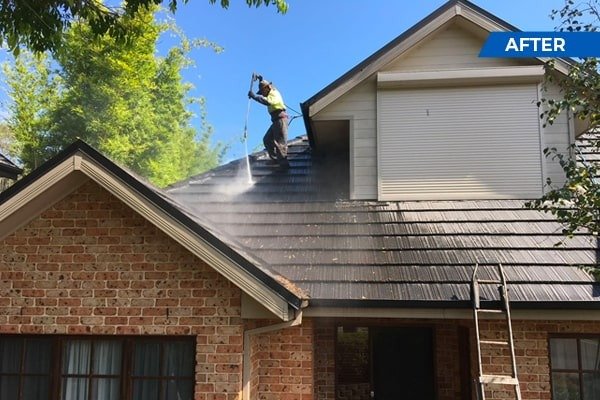
Roof restoration & painting becomes necessary when early warning signs of roof damage start to appear. Many homeowners delay action because the issues seem minor at first glance. In reality, roof defects progress quickly under Australian weather conditions, where UV exposure, heavy rain, and strong winds accelerate wear. Identifying these signs early helps prevent structural damage, reduces repair costs, and protects property value.
One of the most common signs that your roof needs urgent attention is water leakage. Even a small leak indicates that the protective barrier has been compromised. Water can enter through cracked tiles, damaged flashing, or deteriorated sealants. Once inside, it spreads through insulation, timber framing, and ceilings. Industry data shows that water ingress is one of the leading causes of structural damage in Australian homes, often resulting in costly repairs if not addressed early. Moisture buildup can also lead to mould growth, which affects indoor air quality and creates health risks.
Visible damage to roofing materials is another clear indicator. Cracked, broken, or missing tiles expose the underlayment to moisture and environmental stress. Metal roofs may show signs of corrosion, rust, or coating failure. These issues reduce the roof’s ability to repel water and reflect heat. Over time, exposure to harsh sunlight weakens protective coatings, causing fading and surface degradation. When coatings fail, the roof becomes more vulnerable to temperature fluctuations and weather damage.
Sagging areas in the roof structure require immediate attention. A sagging roofline often indicates compromised load-bearing components such as rafters or trusses. This can result from prolonged water damage, excess weight from debris, or aging materials. Structural deformation is not just a cosmetic issue. It signals a loss of integrity that can lead to partial or complete roof failure if ignored. Professional assessment is essential in such cases to determine the extent of damage and required repairs.
Blocked or poorly functioning drainage systems also signal the need for urgent repair. Gutters and downpipes play a critical role in directing water away from the roof and foundation. When they become clogged with debris, water pools on the roof surface or overflows into walls and ceilings. This increases the risk of leaks and accelerates material deterioration. According to inspection data, drainage issues are among the most frequently identified roof defects in Australia. Regular cleaning and maintenance can prevent these problems, but once damage occurs, repairs and recoating become necessary.
Another important sign is the presence of mould, mildew, or water stains inside the home. These indicators often appear on ceilings or walls and suggest ongoing moisture infiltration. In many cases, the source of the problem is a damaged roof rather than internal plumbing. Hidden leaks can persist for months before becoming visible, causing gradual damage to structural components. Addressing these issues early through repair and recoating prevents further deterioration.
In the middle of evaluating roof condition, roof restoration & painting becomes a practical solution when surface wear and coating degradation are evident. Modern coating systems are designed to restore protective layers, improve durability, and extend roof lifespan. These coatings form a barrier against UV radiation, moisture, and temperature changes. High-quality roof coatings can last between 10 and 15 years, depending on environmental conditions and maintenance. Recoating not only improves protection but also enhances the roof’s appearance, which contributes to overall property value.
Increased energy bills can also indicate roof problems. Damaged or worn coatings reduce the roof’s ability to reflect heat, leading to higher indoor temperatures. This forces cooling systems to work harder, increasing energy consumption. Reflective roof coatings can reduce heat absorption and improve energy efficiency. Studies show that well-coated roofs can lower indoor temperatures by several degrees, reducing reliance on air conditioning. This makes roof restoration both a structural and financial decision.
Age is another factor that should not be ignored. Most roofs have a lifespan ranging from 20 to 50 years depending on materials and maintenance. As roofs age, materials become brittle, coatings deteriorate, and structural components weaken. Even if visible damage is minimal, older roofs are more prone to failure. Regular inspections help determine whether repair, recoating, or full replacement is required.
Storm damage is a common trigger for urgent repairs in Australia. High winds can dislodge tiles, while hail can crack surfaces and weaken protective layers. After severe weather events, it is important to inspect the roof for damage even if no immediate issues are visible. Small defects caused by storms can develop into major problems over time if left untreated. Professional inspections using tools such as drones and thermal imaging improve detection accuracy and ensure that no damage is overlooked.
Another critical sign is peeling or flaking paint on the roof surface. This indicates that the existing coating has reached the end of its lifespan. Once the coating begins to fail, the underlying material is exposed to environmental stress. This accelerates wear and increases the likelihood of leaks and corrosion. Recoating at this stage restores protection and prevents further damage.
Roof noise during wind or temperature changes can also indicate underlying issues. Loose components, weakened fasteners, or structural movement can create unusual sounds. These signs often point to instability that requires immediate attention. Ignoring these warnings can lead to more serious damage over time.
Timely action is essential when dealing with roof issues. Delaying repairs allows minor defects to escalate into major structural problems. Regular inspections and maintenance help identify issues early and reduce long-term costs. Investing in repair and recoating improves durability, energy efficiency, and overall property value.
Understanding these warning signs allows you to take control of roof maintenance before problems become severe. A proactive approach ensures that your roof continues to perform effectively under Australian conditions. If you notice any of these issues, immediate action is necessary to protect your property.
Addressing problems early through roof restoration & painting ensures long-term performance, reduces repair costs, and maintains the structural integrity of your home.


Sign up