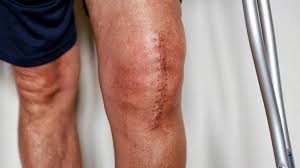
Many individuals undergo knee replacement surgery in Mumbai to restore mobility and reduce persistent knee pain caused by joint damage or arthritis. While the procedure is essential for improving movement and quality of life, long-term success depends on several factors beyond the surgery itself. Patients who follow structured rehabilitation plans, maintain healthy habits, and adhere to medical guidance are more likely to experience lasting benefits. Understanding the key elements that influence recovery can help patients support healing and maintain joint function for years after surgery.
Understanding Knee Replacement Surgery
Knee replacement surgery involves removing damaged cartilage and bone from the knee joint and replacing them with artificial components to restore movement and stability. The procedure is typically recommended when arthritis or injury has caused severe joint deterioration. Many patients choose knee replacement surgery in Mumbai due to access to experienced orthopaedic specialists and comprehensive recovery support. After the operation, the healing process begins immediately and continues over several months as muscles strengthen and the joint adjusts to the new components.
Factors That Influence Long-Term Success
Several medical and lifestyle factors can affect recovery and joint performance after surgery. Understanding these factors helps patients take an active role in their rehabilitation.
Surgical Planning and Precision
Careful surgical planning is essential for achieving proper alignment and stability in the new knee joint. Orthopaedic teams assess joint damage, bone structure, and overall patient health before surgery. This evaluation allows surgeons to choose suitable implant components and determine the best approach for each individual. Accurate placement of the artificial joint supports smooth movement, reduces stress on surrounding tissues, and helps ensure long-term durability.
Rehabilitation and Physiotherapy
Structured rehabilitation is vital to restoring knee function. Physiotherapy typically begins soon after surgery and continues through the recovery period. Therapists guide patients through exercises designed to strengthen muscles around the joint, improve flexibility, balance, and stability. Gradually increasing activity allows the joint to adapt to movement without excessive strain. Consistent participation in physiotherapy enhances mobility and supports long-term joint performance.
Maintaining a Healthy Body Weight
Body weight affects the amount of pressure placed on the knee during daily activities. Excess weight can increase strain on the artificial joint and surrounding tissues. Maintaining a healthy weight through balanced nutrition and regular low-impact exercise reduces knee stress and supports optimal recovery. A healthy lifestyle not only protects the joints but also improves overall well-being.
Patient Commitment to Recovery
Active engagement in the recovery process is critical for success. Following rehabilitation routines and recommended activity levels strengthens the muscles, stabilises the joint, and helps regain flexibility. Patients who remain committed to their exercise programme typically experience less stiffness and improved mobility. This dedication allows individuals to perform everyday tasks, such as walking, climbing stairs, and standing for extended periods, with greater confidence.
Regular Medical Follow-Up
Routine follow-up appointments enable medical teams to monitor healing, evaluate joint function, and identify any issues early. Doctors can adjust rehabilitation plans if required to ensure the joint continues to perform well. Structured follow-up care is essential for detecting potential complications and supporting long-term mobility after knee replacement surgery.
Benefits of Successful Recovery
Patients who adhere to recommended recovery practices often experience several long-term benefits, including:
- Improved Joint Movement: Greater flexibility allows for more comfortable walking, bending, and climbing stairs.
- Reduced Pain and Discomfort: Following rehabilitation and healthy habits helps minimise joint pain over time.
- Increased Strength and Stability: Strengthened muscles around the knee support balance and reduce the risk of falls or injury.
- Restored Independence: Patients can manage daily activities such as household chores and shopping with greater ease.
- Enhanced Confidence: Consistent progress in recovery boosts self-assurance in movement and mobility.
- Ability to Resume Activities: Many patients return to light exercise, social engagement, and recreational activities safely.
- Improved Quality of Life: Overall physical and mental well-being improves as patients regain control over movement and independence.
When to Seek Medical Advice During Recovery?
Although recovery is usually gradual, certain signs require prompt medical attention. Patients should consult an orthopaedic specialist if they notice:
- Persistent or worsening joint pain that does not improve with prescribed care.
- Difficulty walking or moving the knee despite following rehabilitation routines.
- Swelling, redness, or unusual warmth around the joint, may indicate inflammation or infection.
- Reduced range of motion, stiffness, or inability to bend or straighten the knee properly.
- Signs of instability, such as the knee giving way or buckling during activity.
- Any sudden or unexpected changes in knee function or discomfort.
Early evaluation helps address concerns quickly, ensures safe progression in recovery, and supports long-term joint health and mobility.
Conclusion
Knee replacement surgery offers significant benefits for individuals experiencing chronic knee pain or limited mobility. However, long-term success depends on more than the surgical procedure alone. Recovery involves structured rehabilitation, maintaining a healthy lifestyle, and regular medical follow-up. Patients who actively participate in their recovery are more likely to experience improved joint function, sustained mobility, and greater confidence in performing daily activities.


Sign up