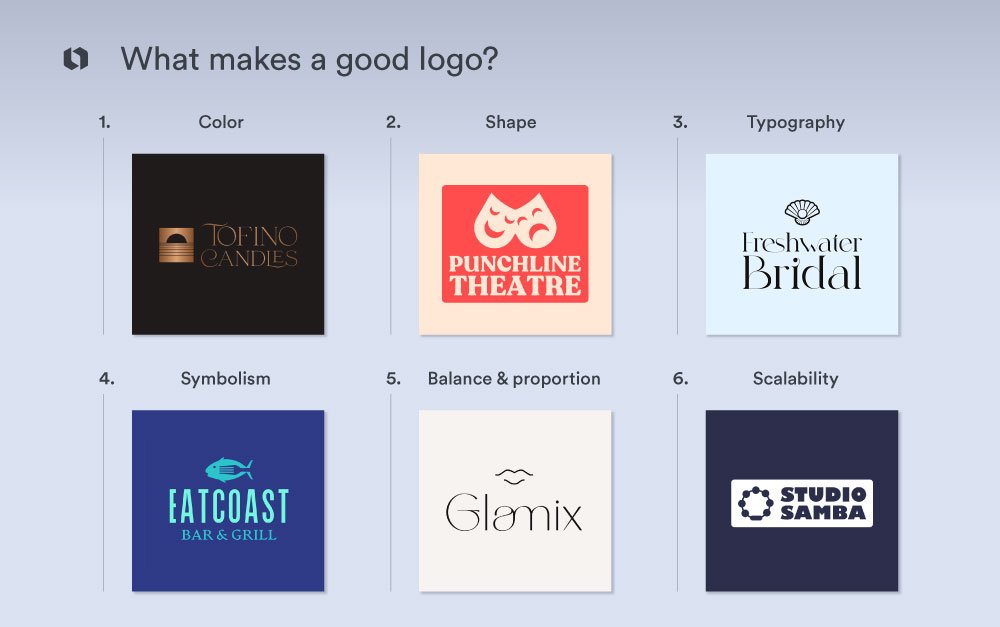
A brand is built on a logo. It is more than a design; it’s who a company is and what they represent. A good logo isn’t just a pretty face; it also communicates trustworthiness and professionalism and makes businesses easier to remember. But what does a logo have to do to be “good”? Knowing the fundamentals of good logos can help companies, designers, and marketing professionals develop visuals that are bound to last.
Simplicity
A good logo is simple and easy to read. Complicated logos can distract and fail to make much of an impression. Look at iconic brands such as Nike or Apple – their logos are simple yet instantly recognizable. Simplicity means versatility across all media, such as websites, social media, product packaging, or billboards.
A stripped-down logo also provides clarity when reduced or reproduced in black and white. By removing all superfluous clutter, designers can laser-point the essential visual that embodies what a brand stands for, and is easier for consumers to remember.
Memorability
A good logo is memorable. In short, it should be memorable enough to stay with consumers long after they see it: original forms, colors, or brilliant metaphors aid recognition and recall. Recognizable logos spur brand recognition, promote repeat exposure, and serve as visual cues in busy commercial settings.
Designers frequently obtain this kind of memorability through creativity, concept development, and fine-tuned details. A happy medium between originality and simplicity does the trick, meaning it’s easy to remember and not too close to rivals.
Relevance
A logo is the visual representation of the brand; it must mirror the brand’s identity, industry, and values. The colors, fonts, and images selected should speak to the business’s very mission. For example, a law firm will choose classic fonts and conservative colors to demonstrate trust, while a tech startup might embrace vibrant, cutting-edge designs to communicate innovation.
Many companies, including start-ups and small businesses, look for logo design services to get a professional design at an affordable price. These services offer creative, high-quality logos at minimal cost and strategically express the brand.
An applicable logo will speak volumes to viewers immediately, without any extra explanation added . When the design is aligned with the company’s purpose, customer base, and industry developments, it becomes more powerful and drives greater brand recognition.
Versatility
Great logos are flexible; they scale to work at multiple sizes and on a multitude of materials and platforms. It becomes an attractive design , whether printed or digital, on merchandise and uniform embroidery. Diversity Designers are selling more to their clients by creating scalable, vector-based images and avoiding overly complex details that can be lost at specific print sizes.
In color, black and white, or gray scale, the logo is effectively displayed in any format. This flexibility means the brand can be used the same way, from business cards to social media banners.
Timelessness
Greatest logos au courant can look passé instantly. Good logos stand the test of time.” Timeless designs do not follow the market trends; it’s simple , and it follows strong typography and clear symbolism. Coke and McDonald’s are good examples of how ageless logos resonate with people over the years.
When a time-tested design is an investment, you won’t have to “rebrand” it year after year, and brand recognition can grow over time.
Uniqueness
At last, a standout logo that is unique from everyone else. It needs to be unique and creative, not cliché or overdone in the industry. A distinctive logo sets a brand apart, gets noticed, and tells potential customers who you are.
Concept, design, and use of color-creativity are used to achieve this originality. Pairing originality with simplicity makes the logo eye-catching and memorable, crucial in highly competitive markets where you have only a few seconds to capture attention.
Use of Color and Typography (Key Code recommended)
The use of colors in logos is a central subject in color psychology. Colors induce emotions: blue symbolizes trust and professionalism, in contrast to red, which symbolizes energy and passion, or green, which represents growth and sustainability. A bad logo employs colors that don’t align with the brand’s image and doesn’t speak the language of the target customers.
Typography is equally essential. The font should match the logo style, be readable, and reinforce the brand tone. Bold, sophisticated, modern, or whimsical- font choices all convey something about your brand. The right combination of color and type ensures that your logo communicates what you want it to from the start.
Professional Design Support
Although some businesses opt for DIY logos, consulting with professionals typically yields superior results. Experienced designers know what goes into a good logo from start to finish. They’re able to balance creativity and tactics, and their focus will help keep your logo both on-message and visually interesting.
When you work with designers who’ve been at this for a long time, it’s more likely that your process will be as short as possible and that you won’t make mistakes that hurt the quality of your logo.
Consistency across Branding
The best logos are versatile and work across all brand touch points. It should be able to carry itself through everything from packing and website headers to your social media icons or promotional gear. Consistency enhances brand identification and enables customers to associate the logo with the company’s offerings.
Even minor alterations, such as reducing the size or changing the color of the logo, must not affect its legibility and effectiveness.
Conclusion
What makes a logo good? A great logo is easy, memorable, relevant, versatile , and timeless. It should also be able to work for your business as well as harmful marketing materials when needed. It effectively conveys a brand’s identity, creates broad awareness, and makes an impact that will stick.
Whereas companies, Branders invest in even a professional logo designing still through affordable alternatives, starting with, guarantee a brand to walk away with the perfect stand out and an audience engaging as well across all marketing channels. A logo is not simply a pretty picture; it is a strategic asset that can build trust, credibility, and long-term brand value.


Sign up