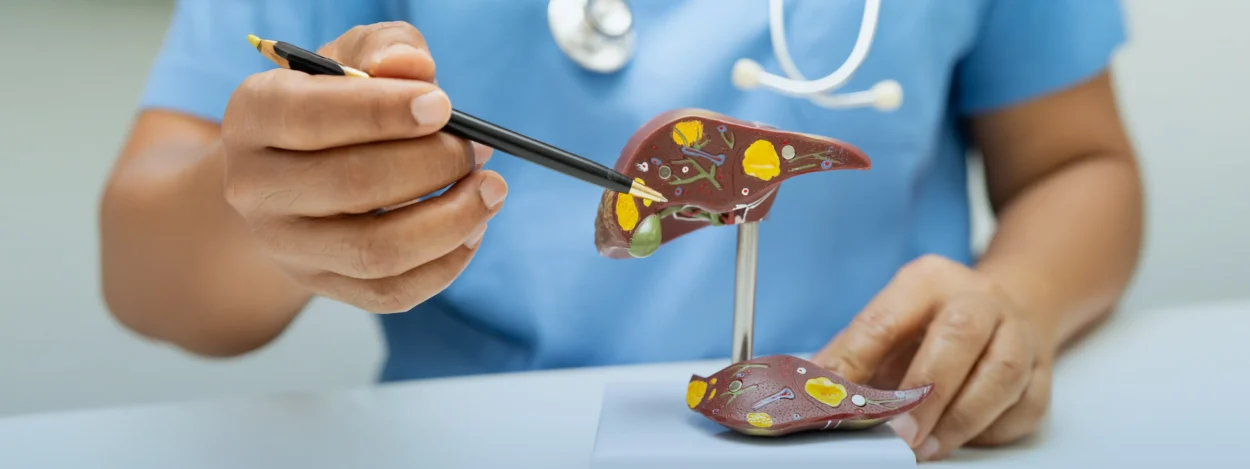
Gall bladder stones, or gallstones, are solid deposits that form when bile components like cholesterol, bile salts, or bilirubin become imbalanced. They can vary in size and may remain symptom-free for years. Medical evaluation is important to prevent complications. Early consultation is recommended if stones block bile flow, cause pain, or trigger inflammation. Common symptoms include abdominal pain, nausea, vomiting, bloating, and occasionally fever or yellowing of the skin and eyes. Timely gall bladder stone treatment supports digestive health and reduces risks.
Understanding Gall Bladder Stones
The gall bladder is a small organ beneath the liver that stores bile, which aids in digesting fats. Stones form when bile contains excess cholesterol or bilirubin, or when the gall bladder does not empty completely. While some people may never experience symptoms, others develop discomfort when stones obstruct bile flow, irritate the gallbladder lining, or cause inflammation that can affect nearby organs.
Symptoms that indicate the need for evaluation include sudden upper abdominal pain, digestive disturbances, nausea, or vomiting. Fever or jaundice may suggest a more serious problem. Early detection is key to preventing complications and ensuring effective treatment.
When to Seek Medical Attention
Not all gallstones require immediate intervention. Mild or infrequent discomfort may be monitored. However, professional evaluation is necessary if symptoms are persistent, severe, or accompanied by warning signs. Seek medical care if:
- Pain is frequent, intense, or lasts more than a few hours.
- Nausea or vomiting persists.
- Fever or chills are present.
- Jaundice develops, causing yellowing of the skin or eyes.
These symptoms may indicate inflammation of the gall bladder or blockage of the bile ducts. Prompt assessment at centres such as BLK‑Max Super Speciality Hospital helps doctors determine the safest and most effective treatment approach.
Healthcare providers usually confirm the presence of gallstones with imaging tests such as abdominal ultrasound, CT scan, or MRCP (magnetic resonance cholangiopancreatography). Blood tests may also be conducted to check liver function and detect infection. Accurate diagnosis ensures proper management and reduces the risk of complications.
Gall Bladder Stone Treatment Options
The choice of treatment depends on symptom severity, stone size, and the risk of complications. Several approaches are available, and a healthcare professional determines the most suitable option after careful evaluation.
- Watchful Waiting: For small, symptom-free stones, doctors may recommend monitoring symptoms without immediate intervention. Patients are advised to note any changes in pain, digestion, or discomfort and report new symptoms promptly. This approach is appropriate when stones do not interfere with bile flow or overall health.
- Surgical Treatment: Symptomatic stones or those causing complications usually require surgical removal of the gall bladder through cholecystectomy. Laparoscopic surgery is preferred when possible, as it is minimally invasive, allows quicker recovery, and reduces post-operative discomfort. Surgery effectively prevents recurrent attacks and inflammation and restores normal digestive function.
- Non-Surgical Approaches: In select cases, oral medications may be prescribed to gradually dissolve cholesterol-based stones. These treatments are slower and less effective than surgery, but may be suitable for patients who cannot undergo surgical procedures due to other health conditions.
Overall, timely intervention is essential to relieve symptoms, prevent complications, and improve long-term digestive health.
Risks of Delaying Treatment
Delaying medical care for symptomatic gallstones can result in serious health complications. When stones block the flow of bile, they may cause acute cholecystitis, which is inflammation of the gall bladder that can lead to infection. Untreated obstruction may also trigger pancreatitis, a condition where the pancreas becomes inflamed due to bile backup. Prolonged bile blockage can impair liver function and increase the risk of more severe digestive problems.
Early recognition of warning signs and prompt medical attention are essential to prevent these outcomes. Timely intervention ensures proper management, reduces the risk of infection, and protects overall digestive and liver health, helping patients avoid serious long-term complications.
Recovery and Follow-Up
After treatment, careful follow-up is important to monitor recovery and detect any complications. Doctors may recommend imaging or blood tests to ensure proper bile flow and liver function.
- Report persistent abdominal pain, jaundice, or digestive issues immediately.
- Following dietary guidance and activity recommendations after surgery.
- Attending scheduled follow-up appointments to monitor healing.
With proper care, most patients regain normal digestive function and experience lasting relief from symptoms.
Conclusion
Gall bladder stones require medical attention when they cause ongoing pain, digestive disturbances, or complications such as bile duct blockage or gall bladder inflammation. Early consultation with healthcare professionals ensures accurate diagnosis and timely gall bladder stone treatment, whether surgical or non-surgical. Recognising warning signs and seeking care promptly helps prevent complications and supports long-term digestive health.

Sign up