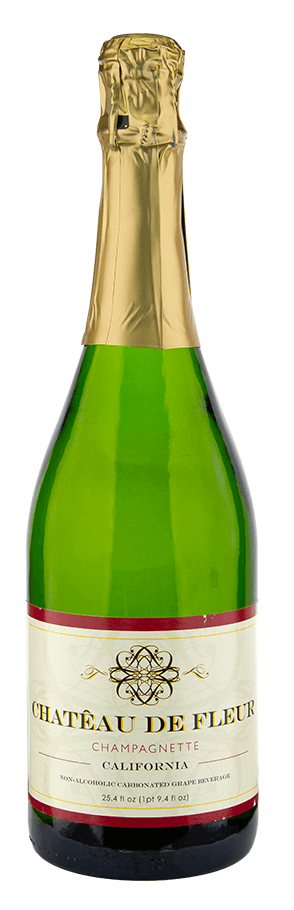
The global beverage industry has witnessed a remarkable shift in consumer preferences. One of the most noticeable trends is the rapid rise of premium alcohol-free alternatives that replicate the experience of traditional drinks without the intoxicating effects.
Among these innovations, non alcoholic sparkling champagne has emerged as a standout choice, captivating health-conscious consumers, social drinkers, and luxury lifestyle enthusiasts alike. Its popularity is not just a fad but a reflection of deeper cultural, health, and lifestyle changes shaping modern society.
A Shift Toward Health-Conscious Lifestyles
One of the strongest drivers behind the rise of non alcoholic sparkling champagne is the growing awareness of health and wellness. Across the world, people are becoming more mindful of what they consume. From reducing sugar intake to avoiding processed foods, the wellness movement has extended deeply into the beverage industry.
Alcohol, once considered a staple of social gatherings, is now being consumed more selectively. Many individuals are choosing to limit or completely avoid alcohol due to its effects on sleep, mental clarity, hydration, and long-term health risks. In this context, non alcoholic sparkling champagne offers an appealing alternative. It allows people to participate in celebrations without compromising their wellness goals.
The drink also fits seamlessly into fitness-oriented lifestyles. Athletes, professionals, and wellness enthusiasts often seek beverages that feel indulgent but do not hinder recovery or performance. As a result, alcohol-free sparkling options are becoming a preferred choice at parties, weddings, and upscale events.
The Rise of Mindful Drinking Culture
Another major factor contributing to the popularity of non alcoholic champagne is the global rise of “mindful drinking.” This movement encourages individuals to be more intentional about when and why they consume alcohol, rather than drinking out of habit or social pressure.
Younger generations, particularly Millennials and Gen Z, are leading this shift. They are redefining what it means to socialize, often prioritizing experiences over intoxication. For many of them, clarity and control during social interactions are more valuable than the effects of alcohol. In this evolving cultural landscape, sparkling champagne serves as a symbol of sophistication without excess.
It also provides inclusivity in social settings. Not everyone drinks alcohol for personal, religious, or health reasons. Having a refined alternative ensures that everyone at the table can enjoy a celebratory toast together, strengthening social bonds without exclusion.
Innovation in Flavor and Production
The growing demand for non alcoholic sparkling champagne has pushed beverage producers to invest heavily in innovation. Early versions of alcohol-free sparkling drinks often lacked depth, complexity, and the celebratory feel of traditional champagne. However, advancements in food science and fermentation technology have dramatically improved quality.
Modern production techniques carefully remove alcohol while preserving aroma, texture, and flavor. Winemakers and beverage experts now use high-quality grapes, controlled fermentation, and sophisticated de-alcoholization processes to maintain a luxurious drinking experience. The result is a drink that closely mirrors traditional sparkling wine in both appearance and taste.
Flavor profiles have also expanded significantly. Today’s offerings range from crisp and dry varieties to fruity and floral blends, catering to diverse palates. This evolution has helped sparkling champagne transition from a niche product to a mainstream luxury beverage.
Expanding Global Market and Consumer Demand
The global beverage market has responded quickly to this rising demand. Supermarkets, restaurants, and luxury hotels are increasingly stocking alcohol-free sparkling options to cater to a broader audience. What was once a limited-category product is now a fast-growing segment within the premium drinks industry.
One of the reasons behind this expansion is the changing perception of alcohol-free beverages. They are no longer seen as substitutes or compromises but as premium choices in their own right. Branding and packaging also play a crucial role in this transformation. Elegant bottles, sophisticated labeling, and upscale marketing campaigns position non alcoholic wines as a luxury product suitable for special occasions.
In addition, e-commerce has made these beverages more accessible than ever. Consumers can now explore international brands and specialty producers with just a few clicks, further fueling global demand and awareness.
Sustainability and Ethical Consumption Trends
Sustainability is another key factor influencing beverage choices today. Consumers are increasingly concerned about environmental impact, ethical sourcing, and responsible production practices. Many producers of non alcoholic champagne are responding by adopting eco-friendly methods, such as organic farming, reduced water usage, and sustainable packaging.
Because alcohol-free production often involves fewer resources compared to traditional alcoholic beverages, it can align well with environmentally conscious values. This appeals strongly to younger consumers who prioritize brands that reflect their ethical beliefs.
Additionally, the reduced health impact of alcohol-free options aligns with a broader cultural shift toward responsible consumption. People are seeking enjoyment without negative consequences, both for themselves and the planet.
A New Era of Celebration and Social Experience
Celebrations have always been associated with champagne, symbolizing joy, achievement, and togetherness. However, modern celebrations are evolving. Today, people want inclusive experiences that allow everyone to participate fully, regardless of dietary, health, or personal choices.
Non alcoholic sparkling champagne has become a central part of this transformation. It enables individuals to maintain tradition while adapting to modern preferences. Whether it is a wedding toast, a corporate event, or a personal milestone, this beverage offers elegance without compromise.
Its presence also reflects a broader cultural redefinition of luxury. Luxury is no longer solely about alcohol content or exclusivity; it is about experience, well-being, and thoughtful enjoyment. This shift has helped elevate alcohol-free sparkling beverages into a respected category within fine dining and hospitality.
Conclusion
The global rise of non alcoholic sparkling champagne is more than a beverage trend—it is a reflection of changing values in health, lifestyle, and social behavior. As consumers continue to prioritize wellness, inclusivity, and sustainability, this elegant alternative is expected to grow even further in popularity.
With continuous innovation, expanding markets, and a cultural shift toward mindful consumption, non alcoholic champagne is no longer just an option for those avoiding alcohol. It has become a symbol of modern celebration—sophisticated, inclusive, and aligned with the evolving spirit of global consumers.


Sign up