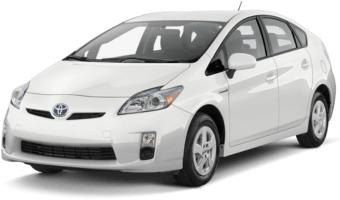
Japanese cars are known for being strong and reliable. Many people trust them. But not all of them keep their value the same way. Some stay expensive even after many years. Others lose value faster. So, what makes the difference?
Let’s break it down in a simple way.
What Does “Holding Value” Mean?
When a car “holds value,” it means it does not lose much money over time. You buy it today, and after a few years, you can still sell it at a good price.
Some cars drop in value very fast. Others stay steady. This is called resale value.
Why Japanese Cars Are Known for Good Value
Many buyers choose a Japanese used car because these vehicles are built to last. They often run well even after many years. Parts are easy to find. Repairs are not too expensive.
That is why people trust brands from Japan. This trust helps the cars keep their value.
Build Quality Matters a Lot
Strong Engines Last Longer
Cars that have strong engines usually last many years. Japanese brands focus on making engines that do not break easily. This helps the car stay useful for a long time.
Simple Design Means Fewer Problems
Some cars are very complex. More parts can mean more problems. Japanese cars often use simple designs. This makes them easier to fix.
Buyers feel safer buying such cars. That keeps their resale value high.
Brand Reputation Plays a Big Role
Trust Takes Years to Build
Brands that have a good name will always sell better. If a company has made good cars for many years, people trust it.
When people trust a brand, they are willing to pay more for its used cars.
Popular Brands Sell Faster
Cars from well-known brands sell quickly. When demand is high, prices stay strong. This is one reason some cars lose value slower than others.
Fuel Efficiency Helps Value Stay High
Saving Money on Fuel Matters
Fuel cost is a big concern for many drivers. Cars that use less fuel are always in demand.
If a car saves money every day, buyers are happy to pay more for it. This keeps its value higher in the market.
Small Cars Often Win Here
Many Japanese small cars are very fuel-efficient. That is why they remain popular for years.
Maintenance Cost Makes a Difference
Cheap Repairs Attract Buyers
If a car is easy and cheap to fix, more people want it. This keeps demand high.
Japanese cars often have low maintenance costs. Spare parts are widely available. Mechanics know how to fix them.
High Cost Means Lower Value
If a car is expensive to repair, buyers avoid it. Even if it looks good, it may lose value faster.
Reliability Is the Key Factor
Cars That Rarely Break Win
A car that does not break often is always valuable. Owners feel relaxed. They do not worry about sudden repair costs.
Japanese cars are famous for this. Many can run for years with basic care.
Long Life Builds Strong Demand
When people hear that a car lasts 10 or even 15 years, they trust it more. This trust helps it keep a strong resale price.
Market Demand Changes Everything
Popular Models Stay Expensive
Some models are always in demand. People look for them again and again. This keeps prices stable.
Even old models of popular cars can sell at a good price.
Trends Affect Value
Sometimes trends change. For example, people may start liking small cars or hybrid cars more. Cars that match these trends keep their value better.
Condition of the Car Matters Too
Well-Maintained Cars Sell Higher
If a car is clean and well cared for, it will always sell at a better price. Service history matters a lot.
Buyers check how the car was used. A well-kept car builds trust.
Accidents Reduce Value
Cars that have been in accidents often lose value. Even if repaired, buyers feel unsure. That lowers the resale price.
Mileage Has a Big Impact
Lower Mileage Means Less Wear
Cars with fewer kilometers are more attractive. They feel newer and safer to buy.
High Mileage Lowers Price
Cars with high mileage may still run well. But buyers expect to pay less. This is because parts may wear out soon.
Technology and Features Also Matter
Useful Features Help Value
Cars with helpful features like good safety systems or smooth driving feel more valuable. Buyers prefer cars that offer comfort and ease.
Too Much Tech Can Be Risky
Sometimes too many features can cause problems later. Repairs may be costly. Simple and reliable features often work better for resale value.
Availability of Spare Parts
Easy Parts Mean Easy Life
If spare parts are easy to find, people feel confident buying the car. Japanese cars usually win here.
Rare Parts Lower Demand
If parts are hard to find, buyers avoid the car. This reduces its resale value.
Why Some Models Perform Better Than Others
Not all Japanese cars are the same. Some models are more trusted than others. These models often have:
- Better reliability
- Lower fuel use
- Easy maintenance
- Strong brand reputation
That is why they stay valuable for longer.
Real-World Buying Behavior
People often talk to friends, mechanics, and family before buying a car. They ask questions like:
- Is this car reliable?
- Is it cheap to maintain?
- Does it last long?
If the answers are positive, the car’s value stays high. This is how real-world demand works.
What Buyers in Pakistan Look For
In Pakistan, buyers are very careful. They want cars that are affordable, fuel-efficient, and easy to maintain. That is why many people search for the best Japanese cars in Pakistan before making a decision.
Cars that meet these needs usually keep their value better in the local market.
Final Thoughts
Not all cars lose value the same way. Some Japanese cars stay strong in the market because they are reliable, easy to maintain, and trusted by people.
If you want a car that holds its value, focus on quality, fuel efficiency, and brand reputation. Also, take good care of your car. A well-maintained car will always sell for a better price.
FAQs
1. Why do Japanese cars last longer?
They are built with strong parts and simple designs. This helps them run for many years with fewer problems.
2. Do all Japanese cars have high resale value?
No. Only some models with good reliability and demand keep high value.
3. Does mileage affect resale value?
Yes. Lower mileage usually means a higher selling price.
4. Are Japanese car parts easy to find?
Yes. Most Japanese cars have widely available and affordable spare parts.
5. How can I keep my car’s value high?
Maintain it well, avoid accidents, and keep service records. This builds trust for future buyers.


Sign up