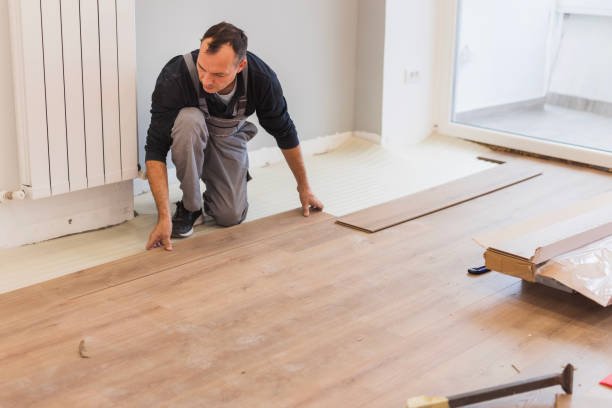
Flooring is often described as the fifth wall of a room — a surface so large and so foundational that it shapes the mood of everything above it. Get the floor right and the rest of the room seems to fall into place. Get it wrong and even expensive furniture and beautiful paint colours cannot fully rescue the space. Wooden flooring tile sits at an exciting intersection of warmth and versatility, offering designers and homeowners an unusually wide creative canvas to work with.
The design possibilities with wood-effect ceramic and porcelain tile have expanded enormously as manufacturing technology has improved. From quietly understated Scandi-style interiors to dramatic, texture-rich spaces that mix industrial and natural elements, this flooring type adapts to an extraordinary range of design visions.
Scandinavian and Nordic Interiors
For interiors inspired by Nordic design principles — light, minimal, functional — pale ash and whitewashed oak tones in wooden flooring tile create exactly the right atmosphere. Wide plank formats with a smooth, lightly textured surface and very fine, light-coloured grout lines allow the floor to recede visually, giving the room an open, airy quality. Paired with white walls, natural textiles, and simple furniture in pale timber or matte black metal, this style achieves its signature sense of calm effortlessly.
Contemporary Urban Spaces
Urban and industrial-influenced interiors — think exposed brick, concrete, and steel accents — work beautifully with darker wood-look tile in charcoal, smoked oak, or deep walnut tones. The contrast between the organic warmth of the floor and the harder, more austere elements of the space creates a visual tension that feels intentional and sophisticated. Herringbone or chevron laying patterns add further visual interest and suit the slightly elevated, curated quality of this aesthetic.
Traditional and Period Properties
Wooden flooring tile in traditional settings benefits from narrower plank formats that reference the proportions of Victorian or Edwardian timber floorboards. Rich honey oak, aged pine, and hand-scraped rustic oak designs suit period properties without requiring the maintenance complexity of genuine reclaimed timber. The tile format also handles the moisture challenges that older properties often present far more reliably than solid wood would in the same conditions.
Creative Laying Patterns to Transform a Space
Herringbone Pattern for Dynamic Flooring Style
One of the standout design advantages of wooden flooring tile compared to real timber is the ability to experiment with non-standard laying patterns. The herringbone pattern, where rectangular tiles are positioned at 45-degree angles in a V-shaped layout, has become highly popular again. This arrangement introduces movement and visual interest that a straight layout cannot provide, and it works beautifully with both light and dark tile shades.
Chevron Pattern for a Refined Look
The chevron pattern is closely related to herringbone but features tiles cut with angled ends that meet perfectly at the center, forming a continuous arrow-like zigzag. This style requires more precise installation because the angled edges must align accurately. However, the finished floor delivers a polished and intentional appearance that works especially well in formal spaces and hallways.
Mixed-Width Layout for Natural Character
Mixed-width installations use two or three different plank sizes arranged in a varied pattern across the floor. This approach recreates the authentic, irregular look of reclaimed wood flooring and complements relaxed, natural interiors. Many tile manufacturers now provide coordinated width options designed to be combined, making planning easier and ensuring a balanced final result.
Connecting Spaces with Continuous Flooring
One of the most effective design moves in an open-plan home is running the same wooden flooring tile through multiple connected spaces without interruption. A floor that flows from kitchen to dining area to living room eliminates visual barriers and makes the combined space feel significantly larger. This is particularly effective in properties with limited square footage, where continuity of materials prevents the eye from stopping at every room boundary.
When extending a tile run through multiple rooms, plan the layout so that the tile pattern aligns across thresholds rather than restarting at each doorway. This requires careful measurement and setting out at the start of the project but creates a polished, considered result that immediately elevates the interior. Discuss this specifically with your tiler at the planning stage so it is built into the installation sequence from the outset.
Using Tile to Define Zones Within Open Spaces
Wooden flooring tile can also be used to subtly define different functional zones within a large open-plan room without erecting physical barriers. Running the same tile in different directions — straight lay in the kitchen zone and herringbone in the dining area, for example — creates a visual distinction between areas while maintaining material continuity. Alternatively, a contrasting tile border or inset strip in a complementary stone or geometric design can mark the transition between zones with quiet elegance.
Outdoor Extensions and Indoor-Outdoor Flow
Porcelain wood-look tile rated for exterior use creates a seamless visual connection between indoor living spaces and adjacent outdoor areas. Running the same tile from a kitchen or living room through glazed doors and onto a terrace or courtyard dissolves the boundary between inside and outside, making the garden feel like a natural extension of the home. This is one of the most sought-after effects in contemporary residential design and wooden flooring tile is uniquely positioned to deliver it, as genuine timber cannot make the outdoor transition without significant ongoing maintenance.
Conclusion
Wooden flooring tile is one of the most design-versatile products available to homeowners today. It carries the warmth and character of timber into any interior style — from minimal Nordic to dramatic urban to relaxed rustic — and adapts to creative laying patterns that real wood simply cannot accommodate. Whether you use it to create a continuous canvas across an open-plan home, define zones within a large room, or blur the line between inside and outside, the design potential is genuinely exciting. Many interior design company UAE professionals prefer it for modern projects because it offers both style flexibility and practical performance. Choose the right tile for your aesthetic, plan the layout with care, and let the floor do the visual heavy lifting.
Frequently Asked Questions
Q1: Does wooden flooring tile work in small rooms, or does it make spaces feel smaller?
When chosen well, wood-look tile can actually make a small room feel larger. Pale tones, large-format planks laid diagonally or along the longest dimension of the room, and fine grout lines all contribute to an expansive feeling. Avoid very dark tones or busy patterns in compact spaces, as these can make the room feel more enclosed.
Q2: Can I mix wooden flooring tile with other tile types in the same room?
Absolutely — mixing wood-look plank tiles with complementary stone or geometric tiles is a popular design technique. The key is to ensure the tiles are similar in thickness so the finished surface remains level, and to plan the junction between the two materials so it falls in a natural transition point rather than mid-room.
Q3: Is wooden flooring tile suitable for a home office?
It is an excellent choice for a home office. It is easy to clean, handles the rolling load of office chairs without marking, and creates a professional, composed atmosphere. If comfort underfoot during long standing periods is important, a quality anti-fatigue mat in the primary standing zone is a practical addition.

Sign up