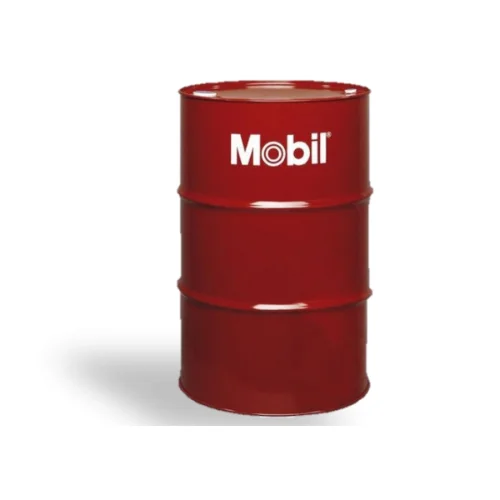
When it comes to engine performance and longevity, not all lubricants are created equal. Many people assume that automotive oils can substitute marine lubricants, but this misconception can lead to costly damage—especially in demanding environments like the UAE’s coastal and offshore sectors. If you’re using Mobil marine lubricants or considering them, understanding their distinct properties is critical. This guide breaks down the key differences and explains why marine engines require specialized lubrication solutions.
1. Designed for Harsh Marine Environments
Marine engines operate in high-humidity, saltwater conditions that accelerate corrosion. Unlike automotive oils, marine lubricants are engineered with superior anti-corrosion additives to protect internal components from rust and salt damage.
2. Enhanced Water Resistance
One of the biggest differences is water exposure. Marine lubricants are formulated to resist water contamination and maintain performance even when moisture enters the system—something standard automotive oils cannot handle effectively.
3. Higher Load-Bearing Capacity
Marine engines often operate under continuous heavy loads, especially in commercial vessels. Mobil marine lubricants are designed with high film strength to withstand extreme pressure, whereas automotive oils are optimized for variable driving conditions.
4. Superior Thermal Stability
Engines in marine vessels can run for extended periods without shutdown. This demands lubricants with excellent thermal stability. Marine lubricants resist oxidation and breakdown at high temperatures, ensuring consistent performance over time.
5. Specialized Additive Packages
Marine lubricants contain tailored additive systems, including detergents and dispersants, to manage soot and deposits from heavy fuel oils. Automotive oils lack these specific formulations, making them unsuitable for marine fuel types.
6. Compatibility with Marine Fuels
Marine engines often use heavy fuel oil (HFO) or low-sulfur fuels, which produce different combustion byproducts. Marine lubricants are specifically designed to neutralize acidic compounds formed during combustion, preventing engine wear.
7. Longer Oil Drain Intervals
In marine operations, frequent oil changes are not always practical. Marine lubricants are built for extended service intervals, reducing maintenance downtime and operational costs—an important factor for UAE-based shipping and offshore industries.
8. Protection Against Rust and Oxidation
Salt-laden air accelerates oxidation. Marine lubricants include antioxidants that significantly slow down oil degradation, ensuring longer-lasting protection compared to automotive oils.
9. Compliance with Marine Industry Standards
Marine lubricants must meet stringent international standards set by organizations such as OEMs and maritime authorities. These standards ensure reliability in critical applications, unlike automotive oils, which follow entirely different benchmarks.
10. Optimized for Fuel Efficiency in Marine Engines
Marine lubricants contribute to improved fuel efficiency by reducing friction in large engines. According to industry reports, proper lubrication can improve fuel efficiency by up to 3%, which translates into significant savings for commercial fleets.
Real-World Insight
A UAE-based shipping operator reported reduced engine wear and a 15% drop in maintenance costs after switching to specialized mobil marine lubricants. This highlights the tangible benefits of using the right product for the right application.
Conclusion
Marine lubricants are not just a variation of automotive oils—they are a necessity for ensuring engine durability, efficiency, and compliance in marine environments. From corrosion resistance to fuel compatibility, every aspect is engineered for the unique challenges of the sea.
If you’re operating in the UAE’s marine sector, choosing the right lubricant can directly impact performance and profitability.

Leave a Comment