


Lifeguard Course: Complete Guide to Training, Certification, and Skills
A lifeguard course is the essential training program that prepares individuals to prevent water-related accidents and respond effectively in emergencies. Whether you want to work at a swimming pool,...

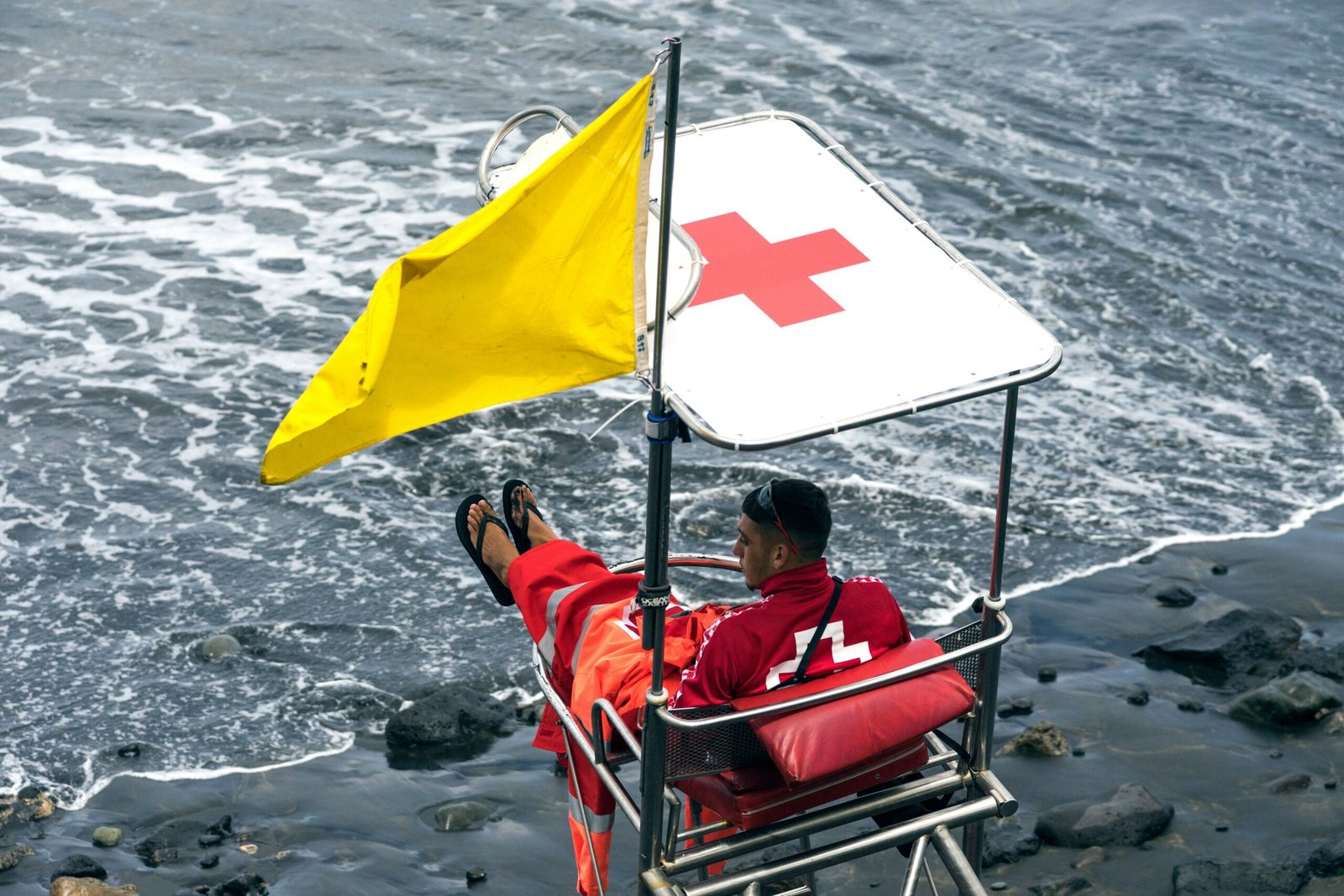
A lifeguard course is the essential training program that prepares individuals to prevent water-related accidents and respond effectively in emergencies. Whether you want to work at a swimming pool, waterpark, or beach, completing a certified course is your gateway into one of the most responsible and respected roles in public safety.
Table Of Content
- What Is a Lifeguard Course?
- Basic Requirements for a Lifeguard Course
- Typical requirements
- What Do You Learn in a Lifeguard Course?
- 1. Water Rescue Techniques
- 2. CPR and AED Training
- 3. First Aid Skills
- 4. Spinal Injury Management
- 5. Surveillance and Prevention
- How Long Is a Lifeguard Course?
- Certification Process
- How Long Does Lifeguard Certification Last?
- Is a Lifeguard Course Difficult?
- Common challenges
- Preparation tips
- Types of Lifeguard Courses
- Pool Lifeguard Course
- Open Water Lifeguard Course
- Difference Between Pool and Open Water Training
- Why Lifeguard Training Is Important
- Career Opportunities After a Lifeguard Course
- Entry-level jobs
- Advanced roles
- Long-term careers
- Why Continuous Training Matters
- Ongoing training helps
- Final Thoughts
This guide walks you through everything you need to know—from requirements and course content to certification and career opportunities.
What Is a Lifeguard Course?
A lifeguard course is a structured training program designed to teach:
- Water rescue techniques
- CPR and AED usage
- First aid and emergency care
- Surveillance and accident prevention
The course combines theory, practical training, and real-life simulations to ensure you can act confidently in high-pressure situations.
Basic Requirements for a Lifeguard Course
Before enrolling, candidates must meet certain physical and skill-based criteria.
Typical requirements:
- Age: Usually 15–16 years or older
- Swimming ability: 200–300 meters continuously
- Treading water: Around 2 minutes without hands
- Timed brick test: Retrieve a weighted object from deep water
- General fitness: Strength and stamina
Organizations like the American Red Cross and the American Lifeguard Association use these standards to ensure safety and readiness.
What Do You Learn in a Lifeguard Course?
A lifeguard course teaches a wide range of life-saving and preventive skills.
1. Water Rescue Techniques
- Recognizing distressed swimmers
- Performing active and passive rescues
- Using rescue equipment (tubes, boards)
- Safe approach methods
2. CPR and AED Training
- CPR for adults, children, and infants
- Using an AED device
- Handling cardiac emergencies
3. First Aid Skills
- Treating cuts, burns, and fractures
- Managing heatstroke or hypothermia
- Handling shock and breathing issues
4. Spinal Injury Management
- Stabilizing head and neck
- Backboarding techniques
- Team-based rescue procedures
5. Surveillance and Prevention
- Scanning water effectively
- Identifying risks early
- Preventing accidents before they occur
How Long Is a Lifeguard Course?
Lifeguard courses take 20 to 30 hours to complete.
You can choose:
- Fast-track courses: Completed in 3–5 days
- Flexible courses: Spread over 1–2 weeks
Certification Process
To become certified, you must:
- Pass the prerequisite swim test
- Complete all training sessions
- Pass a written exam
- Demonstrate practical skills (rescues, CPR, first aid)
After successful completion, you’ll receive certification from a recognized organization.
How Long Does Lifeguard Certification Last?
Lifeguard certification typically lasts 2 years.
After that, you must take a recertification course to:
- Refresh your skills
- Stay updated with safety standards
- Maintain eligibility for jobs
Is a Lifeguard Course Difficult?
A lifeguard course can be challenging, especially if you’re not physically prepared.
Common challenges:
- Swimming endurance tests
- Learning multiple emergency procedures
- Performing under time pressure
Preparation tips:
- Practice swimming regularly
- Build stamina and strength
- Learn CPR basics in advance
- Stay focused and consistent
With dedication, most people successfully complete the course.
Types of Lifeguard Courses
Pool Lifeguard Course
- Controlled environment
- Easier conditions
- Ideal for beginners
Open Water Lifeguard Course
- Covers beaches, lakes, rivers
- Includes waves, currents, and weather
- More physically demanding
Difference Between Pool and Open Water Training
- Pool: Predictable and controlled
- Open water: Dynamic and unpredictable
Open water lifeguards require stronger swimming skills and better situational awareness.
Why Lifeguard Training Is Important
Lifeguard training is critical because it:
- Prevents accidents before they happen
- Saves lives during emergencies
- Promotes water safety awareness
- Builds confidence and leadership
Career Opportunities After a Lifeguard Course
After certification, you can work in various roles:
Entry-level jobs:
- Pool lifeguard
- Beach lifeguard
- Waterpark staff
- Swim instructor
Advanced roles:
- Head lifeguard
- Aquatic supervisor
- Facility manager
Long-term careers:
- Emergency medical services (EMS)
- Firefighting
- Coast guard
Why Continuous Training Matters
Lifeguarding skills must stay sharp.
Ongoing training helps:
- Improve response time
- Reinforce rescue techniques
- Stay updated with new guidelines
- Build teamwork
Regular drills and refreshers are essential for maintaining high performance.
Final Thoughts
A lifeguard course is more than just a certification it’s a commitment to safety, responsibility, and helping others. It equips you with practical, life-saving skills that can make a real difference in emergencies.
If you’re physically prepared, motivated, and ready to take on responsibility, enrolling in a lifeguard course is a powerful step toward a meaningful and impactful role.






No Comment! Be the first one.