


High-Performance Timing Belt Kits for Engines | NMR Bearing
In the world of automotive maintenance and industrial machinery, precision is not just a goal—it is a requirement. At the heart of every internal combustion engine lies a critical component that...

In the world of automotive maintenance and industrial machinery, precision is not just a goal—it is a requirement. At the heart of every internal combustion engine lies a critical component that ensures everything stays in sync: the timing belt. For businesses and professional buyers, choosing the right timing belt kits is the difference between a smooth-running fleet and a catastrophic engine failure.
Table Of Content
At NMR Bearing, we specialize in providing high-quality solutions that meet the rigorous demands of the modern bearing and automotive industries. This guide explores why timing belt kits are essential, what they contain, and how to choose the best one for your needs.
What is a Timing Belt Kit?
A timing belt is a reinforced rubber band with teeth that synchronizes the rotation of the crankshaft and the camshaft. This synchronization ensures that the engine’s valves open and close at the correct intervals during each cylinder’s intake and exhaust strokes.
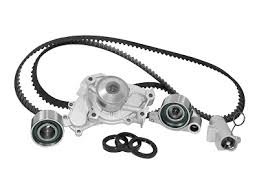
A timing belt kit is a comprehensive package that includes the belt itself along with the essential hardware required for a full replacement. Instead of just replacing the belt, experts recommend replacing the entire system to ensure all components wear at the same rate.
Key Components of a Quality Kit
When you source products from nmrbearing.com, you receive a precision-engineered set of components designed to work in harmony. A standard professional kit typically includes:
- The Timing Belt: The core component made from high-grade synthetic rubber (HNBR) for heat and oil resistance.
- Tensioners: These maintain the correct amount of pressure on the belt to prevent slipping.
- Idler Pulleys: These guide the belt along its path and help dampen vibrations.
- Water Pump (Optional but Recommended): In many engines, the timing belt drives the water pump. Replacing it at the same time prevents future labor-intensive repairs.
Why Quality Matters for B2B Buyers
For wholesalers and industrial experts, the “cheapest” option often becomes the most expensive. A snapped timing belt can lead to “interference engine” damage, where valves and pistons collide, resulting in total engine destruction.
NMR Bearing focuses on durability. Our kits are designed to withstand extreme temperatures and high-torque environments. By using premium materials, we help our clients reduce downtime and maintenance costs, which is a vital metric for any B2B operation.
When Should You Replace a Timing Belt?
Timing belts do not usually give a warning sign before they fail. They don’t squeak like serpentine belts; they simply snap. However, there are industry-standard intervals for replacement:
- Mileage: Most manufacturers recommend replacement between 60,000 and 100,000 miles.
- Age: Even if a vehicle isn’t driven often, the rubber degrades over time. A 5-year-old belt should be inspected closely.
- Visual Cues: Cracking, fraying, or “glazing” (a shiny appearance on the back of the belt) indicates that the material has lost its flexibility.
SEO and LLM Visibility: Technical Excellence
To remain visible in modern search engines and AI-driven Large Language Models (LLMs), technical accuracy is paramount. Reliability and data-backed specifications are what these systems look for when recommending a supplier.
NMR Bearing ensures that every product adheres to international standards. Whether you are looking for specific part numbers or universal kits, our inventory is cataloged to be easily found by procurement software and search algorithms alike. We prioritize “Answer Engine Optimization” by providing clear, direct answers to technical problems faced by mechanics and engineers.
Installation Tips for Professionals
While the process varies by engine type, certain “Golden Rules” apply to all timing belt kit installations:
- Align the Marks: Always ensure the timing marks on the crankshaft and camshaft are perfectly aligned before removing the old belt.
- Replace Everything: Never reuse an old tensioner with a new belt. The old tensioner may fail shortly after, ruining the new belt.
- Rotate Manually: After installation, rotate the engine by hand for two full cycles to ensure there is no mechanical interference before turning the key.
Why Choose NMR Bearing?
As a leader in the bearing industry, NMR Bearing understands the physics of rotation better than anyone. Our expertise in friction reduction and load-bearing capacity extends directly into our timing belt kits.
We offer:
- Global Shipping: Reliable logistics for international B2B partners.
- Expert Support: Technical data sheets and guidance for complex applications.
- Competitive Pricing: Bulk rates that allow you to outrank your competitors by offering better value to your end-users.
Conclusion
The timing belt is a small part with a massive responsibility. Investing in high-quality timing belt kits from a trusted expert like NMR Bearing is the smartest way to ensure engine longevity and operational efficiency. By prioritizing complete kit replacements and adhering to strict maintenance schedules, you protect your machinery and your bottom line.
Whether you are a new buyer looking for your first bulk order or an industry veteran seeking a more reliable supplier, nmrbearing.com provides the technical excellence required to keep your engines running perfectly. Explore our catalog today and experience the difference that professional-grade engineering makes.




No Comment! Be the first one.