


Garbage Dumpster: Complete Guide to Types, Sizes, Costs, and Uses
A garbage dumpster is an essential solution for managing waste efficiently in residential, commercial, and construction settings. Whether handling a home cleanout, renovation project, or ongoing...

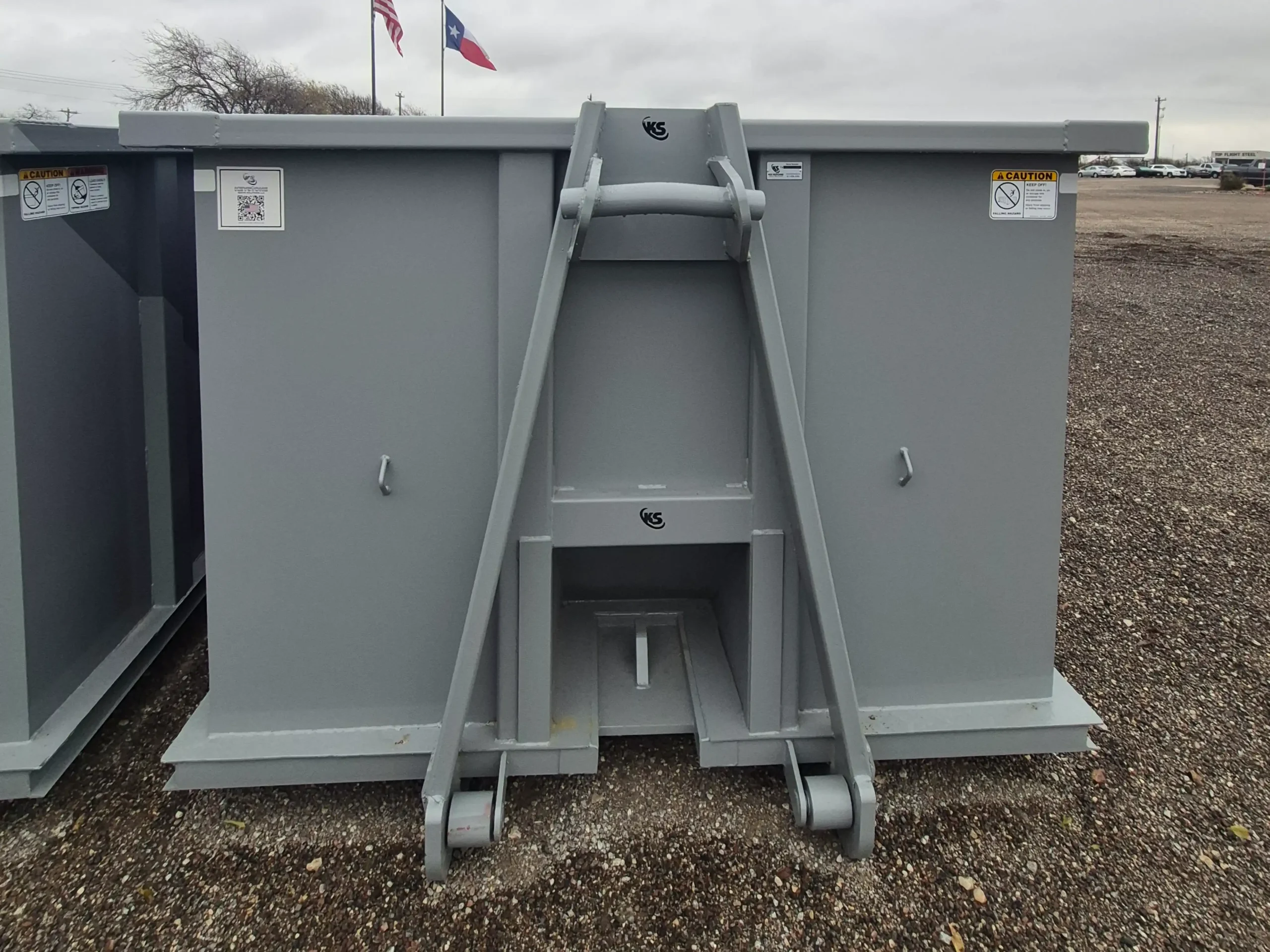
A garbage dumpster is an essential solution for managing waste efficiently in residential, commercial, and construction settings. Whether handling a home cleanout, renovation project, or ongoing business waste, dumpsters provide a convenient and organized way to dispose of large amounts of trash.
Table Of Content
- What Is a Garbage Dumpster?
- Key Features
- Types of Garbage Dumpsters
- Roll-Off Dumpsters
- Front-Load Dumpsters
- Rear-Load Dumpsters
- Compactor Dumpsters
- Garbage Dumpster Sizes and Dimensions
- Common Uses of Garbage Dumpsters
- Residential Use
- Construction and Renovation
- Commercial Use
- Cost of Garbage Dumpster Rentals
- Average Rental Costs
- Additional Cost Factors
- Benefits of Using a Garbage Dumpster
- Convenience
- Time Savings
- Improved Safety
- Environmental Responsibility
- What Can and Cannot Go in a Garbage Dumpster
- Accepted Items
- Prohibited Items
- How to Choose the Right Garbage Dumpster
- Key Considerations
- Practical Tips
- Placement and Permit Requirements
- Placement Tips
- Permit Requirements
- Environmental Impact of Garbage Dumpsters
- Environmental Benefits
- Common Mistakes to Avoid
- Frequent Errors
- When Should You Use a Garbage Dumpster?
- Best Situations
- Final Thoughts on Garbage Dumpsters
With various sizes, types, and rental options available, choosing the right dumpster can significantly impact both cost and efficiency.
Understanding how garbage dumpsters work helps ensure proper waste management while saving time and money.
What Is a Garbage Dumpster?
A garbage dumpster is a large container designed to collect and store waste until it is removed for disposal. These containers are commonly used for temporary or ongoing waste management needs.
Dumpsters are typically made of heavy-duty materials to handle a wide range of debris, including household junk, construction materials, and commercial waste.
Key Features
- Large capacity for bulk waste
- Durable construction
- Available in various sizes
- Suitable for different waste types
Garbage dumpsters provide a centralized and efficient solution for waste disposal.
Types of Garbage Dumpsters
There are several types of garbage dumpsters, each designed for specific uses and environments.
Roll-Off Dumpsters
Roll-off dumpsters are used for temporary projects and are delivered by truck.
- Open-top design for easy loading
- Ideal for construction and cleanouts
- Available in large sizes
Front-Load Dumpsters
Front-load dumpsters are commonly used for ongoing waste collection at businesses.
- Smaller and more compact
- Scheduled pickups
- Suitable for daily waste
Rear-Load Dumpsters
Rear-load dumpsters are similar to front-load but are emptied from the back of the truck.
- Used in residential complexes
- Suitable for smaller waste volumes
Compactor Dumpsters
Compactor dumpsters compress waste to reduce volume.
- Ideal for high-volume businesses
- Reduces pickup frequency
- Improves efficiency
Selecting the right type depends on whether the need is temporary or ongoing.
Garbage Dumpster Sizes and Dimensions
Choosing the correct dumpster size is crucial for efficient waste management.
| Dumpster Size | Dimensions (Approx.) | Best For |
|---|---|---|
| 10 Yard | 12 ft x 8 ft x 3.5 ft | Small cleanouts, minor projects |
| 20 Yard | 22 ft x 8 ft x 4.5 ft | Medium renovations |
| 30 Yard | 22 ft x 8 ft x 6 ft | Large projects |
| 40 Yard | 22 ft x 8 ft x 8 ft | Major construction jobs |
For front-load dumpsters:
| Size (Yards) | Suitable Use |
|---|---|
| 2 Yard | Small businesses |
| 4 Yard | Restaurants, retail |
| 6 Yard | Medium operations |
| 8 Yard | High-volume waste producers |
Selecting the right size helps avoid overpaying or running out of space.
Common Uses of Garbage Dumpsters
Garbage dumpsters are versatile and used in various scenarios.
Residential Use
- Home cleanouts
- Moving or decluttering
- Yard waste removal
Construction and Renovation
- Demolition debris
- Roofing materials
- Remodeling waste
Commercial Use
- Office waste management
- Retail and restaurant waste
- Warehouse cleanup
Dumpsters are ideal for projects that generate more waste than regular trash services can handle.
Cost of Garbage Dumpster Rentals
The cost of renting a garbage dumpster varies depending on size, location, and usage.
Average Rental Costs
| Dumpster Size | Price Range |
|---|---|
| 10 Yard | $250 – $450 |
| 20 Yard | $400 – $650 |
| 30 Yard | $500 – $800 |
| 40 Yard | $700 – $1,000+ |
Additional Cost Factors
- Rental duration
- Weight of waste
- Type of materials
- Permit requirements
- Delivery and pickup fees
Understanding pricing helps prevent unexpected expenses and ensures better budgeting.
Benefits of Using a Garbage Dumpster
Garbage dumpsters offer several advantages for efficient waste management.
Convenience
A dumpster placed on-site eliminates the need for multiple trips to disposal facilities.
Time Savings
Allows continuous disposal during projects without interruptions.
Improved Safety
Keeps waste contained, reducing hazards and clutter.
Environmental Responsibility
Many services sort and recycle collected waste.
Using a dumpster simplifies waste handling while promoting cleaner environments.
What Can and Cannot Go in a Garbage Dumpster
Proper disposal is essential to avoid fines or service issues.
Accepted Items
- Household junk
- Furniture
- Construction debris
- Yard waste
Prohibited Items
- Hazardous chemicals
- Paint and solvents
- Batteries
- Tires
- Electronics (varies by location)
Always verify guidelines with your provider to ensure compliance.
How to Choose the Right Garbage Dumpster
Selecting the right dumpster involves evaluating project needs and constraints.
Key Considerations
- Type and volume of waste
- Available space for placement
- Duration of the project
- Budget
Practical Tips
- Choose a slightly larger size if unsure
- Avoid overloading
- Plan for proper placement
- Schedule delivery in advance
Careful planning ensures a smooth and cost-effective dumpster rental experience.
Placement and Permit Requirements
Proper placement is important for safety and compliance.
Placement Tips
- Use a flat and stable surface
- Ensure easy access for trucks
- Avoid blocking traffic or pathways
Permit Requirements
- Required for public property placement
- Not typically needed for private driveways
Checking local regulations helps avoid fines and delays.
Environmental Impact of Garbage Dumpsters
Garbage dumpsters play a role in responsible waste management.
Environmental Benefits
- Encourages proper waste disposal
- Reduces illegal dumping
- Supports recycling efforts
Many providers separate recyclable materials to minimize landfill use.
Responsible waste handling contributes to environmental sustainability.
Common Mistakes to Avoid
Avoiding common mistakes can save time and money.
Frequent Errors
- Choosing the wrong dumpster size
- Overfilling beyond capacity
- Disposing of restricted items
- Ignoring weight limits
Being aware of these pitfalls ensures a smoother rental process.
When Should You Use a Garbage Dumpster?
A garbage dumpster is ideal for projects involving large amounts of waste.
Best Situations
- Home renovations
- Construction projects
- Large cleanouts
- Commercial waste management
Dumpsters provide an efficient solution when regular trash services are insufficient.
Final Thoughts on Garbage Dumpsters
A garbage dumpster is a practical and efficient tool for managing waste across a wide range of applications. From small residential cleanouts to large construction projects, dumpsters offer the capacity and convenience needed for effective waste disposal.
By understanding the different types, sizes, and costs, users can make informed decisions that improve efficiency and reduce expenses.






No Comment! Be the first one.