


How a Sidewall Conveyor Belt Maximizes Incline Angles?
Industries need efficient material handling systems to achieve their productivity goals while they work to reduce their operating costs. The Sidewall conveyor belt system enables safe bulk material...

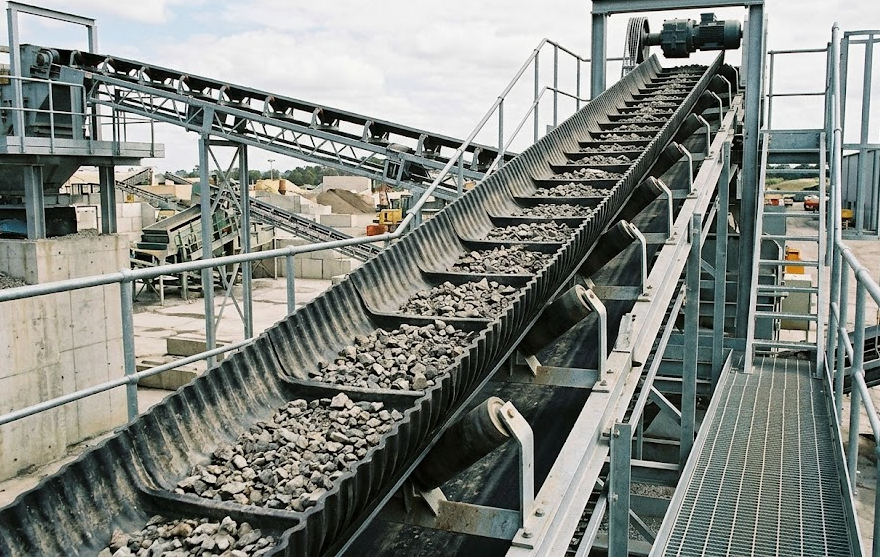
Industries need efficient material handling systems to achieve their productivity goals while they work to reduce their operating costs. The Sidewall conveyor belt system enables safe bulk material transportation on steep slopes by preventing spillage and material loss. The system operates differently from traditional systems because it has been developed to manage high-angle conveying and vertical movement. A Sidewall conveyor belt uses its flexible sidewalls and cleats to provide stability and safety while operating efficiently through difficult conditions. The advanced conveyor system enables businesses in mining and construction to optimize their space usage while achieving continuous material transport across different incline strengths.
Table Of Content
- What is a Sidewall Conveyor Belt?
- Why Incline Angle Matters in Material Handling
- Limitations of Conventional Conveyor Belts
- How a Sidewall Conveyor Belt Works
- Key Features That Enable Steep Inclines
- Advantages of Using a Sidewall Conveyor Belt
- Types of Cleats and Sidewalls
- Applications Across Industries
- Design Considerations for Maximum Incline Efficiency
- Installation and Upkeep Best Practices
- Cost vs Performance: Is It Worth It?
- Future Trends in Conveyor Belt Technology
- Conclusion
- FAQs
What is a Sidewall Conveyor Belt?
The Sidewall conveyor belt system serves as a dedicated system for moving bulk materials through steep and vertical transportation routes. The system uses corrugated sidewalls and cleats to prevent material spillage while delivering secure operational functions. The Sidewall conveyor belt design functions as an optimal solution for businesses that need to move large volumes of materials while using their available space. The system operates effectively in locations where traditional conveyors are unable to properly handle steep incline operations.
Key points:
- The system has flexible sidewalls that can bend to different angles.
- The system uses cleats to improve the material holding capacity of the equipment.
- The system can handle both steep slopes and vertical height requirements.
- The system eliminates material loss, which would occur during the transportation process.
Why Incline Angle Matters in Material Handling
The system’s operational efficiency and safe material handling capacity depend on its incline angle. The system requires less space because of the higher incline, but this design choice creates more danger because materials can slide back down. A Sidewall conveyor belt solves this challenge by enabling higher angles without compromising stability, making it essential for modern industrial setups.
Key points:
- Higher incline saves floor space
- Operational efficiency improves through this method
- The system requires fewer conveyors because of its design
- Advanced systems require a Sidewall conveyor belt for operation.
Limitations of Conventional Conveyor Belts
The traditional conveyor systems face capacity issues because they cannot transport materials on steep inclines without experiencing material slippage and spillage. The system operates most effectively at lower angles, which reduces its performance during vertical transportation. The Sidewall conveyor belt provides a better solution for this situation.
Key points:
- The system can only operate between 15° and 20° maximum elevation, which restricts its execution.
- The handling process contains materials with a high potential for spillage.
- The process needs more machinery to operate.
- The system has reduced efficiency when it comes to moving items vertically.
How a Sidewall Conveyor Belt Works
The Sidewall conveyor belt system functions through the combination of its base belt and its sidewalls and cleats, which create material containment pockets. The belt movement ensures that materials remain in their designated positions, which enables transportation through steep and vertical angles without risks of material loss.
Key points:
- The Sidewalls stop materials from spilling out to the side.s
- The Cleats secure materials in their designated positions
- The Belt system moves materials to higher locations through its smooth operation.
- The system operates effectively for transporting materials at steep angles.
Key Features That Enable Steep Inclines
The Sidewall conveyor belt design contains special elements that enable its operation at high incline angles. The system assures that it will maintain its operational capabilities through all load conditions.
Key points:
- The system uses corrugated sidewalls to create a containment barrier.
- The system uses strong cleats to provide material handling support.
- The system uses a belt structure that combines flexibility with durability.
- The system can function at inclines reaching 90° maximum.
Advantages of Using a Sidewall Conveyor Belt
Sidewall conveyor belts work in multiple industries because of their flexible design. The system proves most useful because it can handle steep incline transportation needs:-
- The system can operate at vertical slopes because it uses special belts that provide better performance than standard equipment.
- The system requires only one conveyor because its design occupies less space, which makes it suitable for industrial environments that need space efficiency.
- The system uses corrugated sidewalls with cleats to create secure material containment, which prevents any material from escaping.
- The system maintains operational efficiency through its ability to deliver material without operational breaks.
- The system achieves cost savings because it requires fewer machines to operate throughout its entire operational period.
- The system serves multiple industries, which include mining, construction, agricultural work, and recycling operations.
- The system uses less electricity because it operates with only one system instead of multiple systems.
- The product needs minimal upkeep because its strong build material protects against damage, which extends its operational time.
Types of Cleats and Sidewalls
The Sidewall conveyor belt system operates through its particular design of cleats and sidewalls, which enables it to transport different materials at various incline degrees.
Cleat Types:
- The T-type cleats function as suitable equipment for operational use on low to moderate incline surfaces.
- The C-type cleats feature a curved structure that enables better grip performance on steeper slopes.
- The TC-type cleats combine two different designs, which enable operators to move heavy equipment and materials through vertical spaces.
- Multi-V cleats function as appropriate equipment for moving fine and loose materials.
Sidewall Types:
- The corrugated sidewalls system functions as a flexible solution that stops material from spilling through its design.
- The reinforced sidewalls system delivers additional strength capacity to handle heavy loads.
- The system allows users to select different height options that match their needs for material capacity and incline angle requirements.
- The fabric-reinforced sidewalls system improves both durability and performance of the product throughout its entire life cycle.
Applications Across Industries
A Sidewall conveyor belt system can function effectively in multiple industrial applications because of its flexible design. The system proves most useful in situations where materials need to be moved at steep upward angles.
Key points:
- The mining industry, together with quarry operations
- The cement industry and construction sector
- The agriculture industry, with its grain handling operations
- The operations of recycling facilities and waste management organizations
Design Considerations for Maximum Incline Efficiency
The Sidewall conveyor belt needs proper design elements to achieve its maximum operational performance. The evaluation process requires a thorough assessment of three factors, which include material type, belt speed, and incline angle.
Key points:
- Material size and weight need assessment
- Belt speed and width need optimization.
- The necessary incline angle needs to be established
- Environmental conditions need to be considered.
Installation and Upkeep Best Practices
A Sidewall conveyor belt needs both correct installation and ongoing maintenance to achieve its lasting operational efficiency. The belt will operate more efficiently with extended service life when proper maintenance is conducted.
Key points:
- The system requires proper alignment, together with proper tension measurement.
- The system needs to be checked at regular intervals.
- The belt requires cleaning at scheduled times.
- The team needs to track the deterioration process of cleats and sidewalls.
Cost vs Performance: Is It Worth It?
The Sidewall conveyor belt system requires higher initial expenses but generates greater value through its extended operational life. The system decreases requirements for various components while enhancing total work efficiency.
Main aspects include the following elements:
- The system needs expensive initial funding.
- The system results in reduced costs throughout its entire operational period.
- The system needs fewer machines to function
Future Trends in Conveyor Belt Technology
The development of conveyor systems drives the creation of new Sidewall belt conveyor designs. The implementation of modern technologies improves operational efficiency, together with equipment durability and automated processes.
Key points:
- The system connects to existing automation solutions.
- The system uses advanced materials that provide exceptional durability.
- The system operates with designs that minimize energy consumption
- The system includes intelligent systems for monitoring operation status and performing maintenance activities.
Conclusion
A Sidewall conveyor belt provides an essential solution for industries that require efficient transportation of materials at steep angles. The system outperforms traditional methods because it can handle steep slopes without losing materials. The Sidewall conveyor belt provides permanent benefits through its ability to maximize space use while increasing productivity and decreasing business expenses. These systems will evolve with technological progress to provide enhanced efficiency and dependable performance for contemporary material handling requirements.
FAQs
1. What is the maximum incline angle a sidewall conveyor belt can handle?
A sidewall conveyor belt can operate at angles up to 90 degrees, which enables the system to move materials vertically.
2. How does a sidewall conveyor belt prevent material spillage?
It uses corrugated sidewalls and cleats to securely hold materials during steep incline movement.
3. What industries benefit the most from sidewall conveyor belts?
The mining, cement, agriculture, and recycling industries experience major operational advantages through their use of these systems.
4. Are sidewall conveyor belts more expensive than traditional belts?
The systems require higher initial investments but deliver better long-term savings through their diminished operational needs.
5. How do I choose the right sidewall conveyor belt for my application?
Select the best option according to your needs by evaluating essential parameters, which include incline angle, material type, capacity, and environmental conditions.







No Comment! Be the first one.