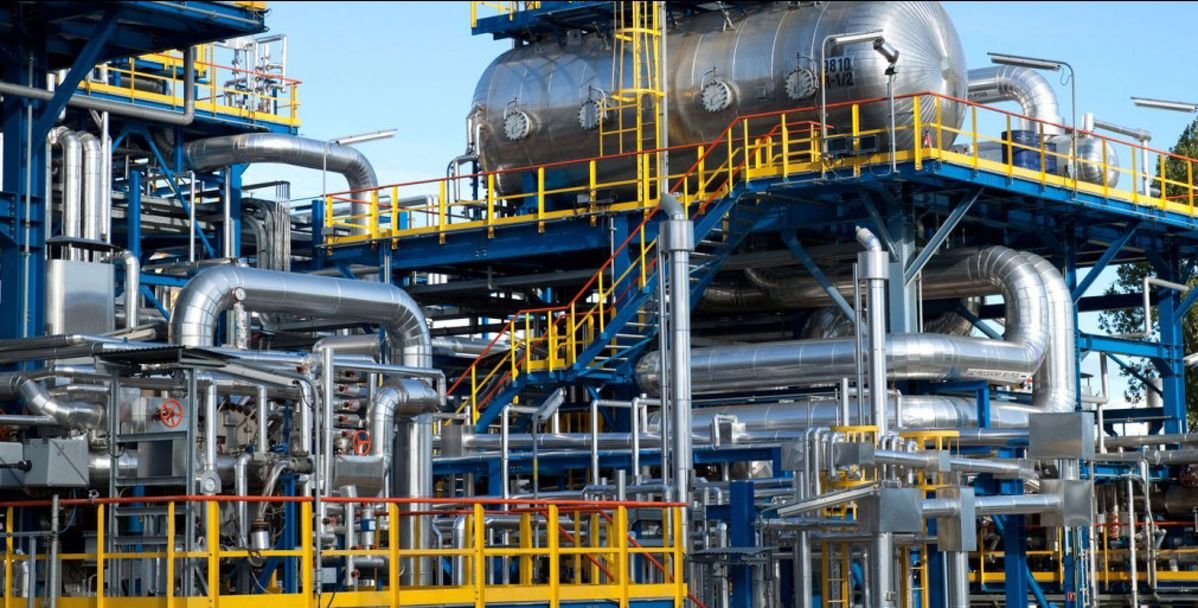
Every production floor leaves its own mark. Some production lines are really fast, others generate a lot of heat, and some keep very quietly using more energy than anyone cares to admit. By the year 2026, manufacturers will have completely changed their attitude about efficiency.is not a thing to do if u have time. Rather, they are making it their main weapon for survival. Increased operating costs, tougher environmental regulations, and the need to meet higher standards have driven many plants to reconsider the flow of heat within their buildings. In fact, more and more plants are choosing to install heat recovery systems which convert wasted energy into useful energy, instead of merely emitting valuable thermal energy through vents and exhaust stacks..
That shift is changing how engineers think about production spaces. Waste is no longer just waste. In many plants, it is becoming a resource waiting to be recaptured.
Heat should not disappear like a coworker before cleanup
Anyone who has stood near an industrial process knows one thing immediately. Heat is expensive.
Manufacturing equipment creates large amounts of thermal energy. Furnaces, dryers, curing lines, and combustion systems all generate excess heat. For years, much of that energy simply escaped into the atmosphere.
That approach now feels outdated.
Modern waste heat recovery systems capture that excess thermal energy and redirect it into useful processes such as:
- preheating incoming air
- warming process water
- reducing fuel demand
- supporting adjacent equipment
- lowering overall plant energy use
Instead of paying twice for heat—once to create it and once to replace it—plants can reuse what they already generate.
That simple idea is becoming one of the smartest upgrades in industrial operations.
The industrial oven is no longer working alone
An industrial oven often consumes a significant share of plant energy. Whether used for curing, drying, baking, or preheating, these systems can produce more residual heat than many operators realize.
Older ovens typically vent warm air straight outside. Newer designs are far more strategic.
When connected to heat recovery systems, the exhaust from an industrial oven can be redirected to:
- preheat fresh combustion air
- warm adjacent production zones
- reduce burner load
- stabilize operating temperatures
That means the oven is not just processing materials. It is helping support the rest of the facility.
For plant managers, this can lead to measurable reductions in utility costs without changing production output.
That is the kind of employee every factory wants.
Why waste heat recovery systems suddenly matter more in 2026
Five years ago, energy recovery was often considered a future improvement. Today, it is becoming standard planning.
Several factors are driving this change.
Energy prices remain unpredictable
Manufacturers cannot always control utility costs, but they can control how efficiently energy is used.
Sustainability targets are getting serious
More industries now track carbon output as closely as production output.
Equipment intelligence has improved
Sensors now help facilities monitor temperature flow in real time, making waste heat recovery systems easier to optimize.
Downtime costs more than ever
Systems that reduce thermal stress can improve reliability and extend equipment life.
The result is simple. Heat recovery is moving from optional to practical.
Thermal cleaning equipment deserves more attention than it gets
Most people talk about production equipment. Fewer people talk about what keeps that equipment clean enough to perform properly.
Thermal cleaning equipment plays a major role in maintaining industrial systems. It removes paint, polymers, oils, and residues from metal components using controlled high temperatures.
These systems help clean:
- racks
- fixtures
- hooks
- filters
- process components
When residue builds up, equipment becomes less efficient. Airflow drops. Heating becomes uneven. Product quality can suffer.
Modern thermal cleaning solutions help facilities restore equipment without harsh chemicals or abrasive damage.
That means cleaner parts, better performance, and fewer maintenance headaches.
And in any plant, fewer headaches is a respectable engineering goal.
Your paint booth notices every airflow mistake
A paint booth may seem like a contained workspace, but it can quietly become one of the biggest energy users in a facility.
Maintaining proper airflow, filtration, and temperature control requires constant energy. Heated makeup air systems often work around the clock to maintain finish quality.
Without proper recovery, that conditioned air can be exhausted and lost.
When integrated with heat recovery systems, a paint booth can reuse outgoing thermal energy to condition incoming air. This creates benefits such as:
- reduced heating demand
- more stable booth temperatures
- improved coating consistency
- lower fuel consumption
- better worker comfort
For finishing operations, energy recovery is no longer just about savings. It is also about maintaining process quality.
Because no one wants a perfect production run ruined by an inconsistent finish.
The thermal oxidizer is doing more than emissions control
A thermal oxidizer is often installed to destroy volatile organic compounds and hazardous air pollutants from industrial exhaust streams.
That alone makes it valuable.
But many facilities now realize that a thermal oxidizer can also become part of a broader efficiency strategy.
By recovering the high-temperature exhaust from the oxidation process, facilities can reuse that energy elsewhere in production.
Recovered heat can support:
- air preheating
- water heating
- process drying
- space heating in colder climates
This transforms a compliance-focused device into a performance asset.
Instead of seeing emissions equipment as a cost center, many plants now see it as a contributor to operational efficiency.
That is a very different conversation in the maintenance meeting.
Thermal cleaning solutions are becoming smarter, not harsher
For years, industrial cleaning often meant aggressive solvents and time-consuming manual work.
That approach is changing quickly.
New thermal cleaning solutions use controlled temperatures to break down residue while protecting valuable components. These systems can improve safety by reducing worker exposure to harsh chemicals while also reducing environmental disposal concerns.
Facilities are adopting smarter cleaning strategies because they can:
- shorten maintenance cycles
- improve part longevity
- reduce labor hours
- lower chemical handling risks
- improve consistency
In many plants, cleaning is no longer treated as an afterthought. It is becoming part of performance planning.
Because a dirty system rarely runs like a new one.
Questions engineers keep asking in the hallway
“Is heat recovery only worth it for large plants?”
Not at all. Smaller facilities can also benefit from heat recovery systems, especially when equipment runs continuously or at high temperatures. The value depends more on operating conditions than building size.
“Can old equipment still be upgraded?”
Yes. Many waste heat recovery systems can be retrofitted onto existing ovens, dryers, and exhaust systems without replacing the entire process line.
“Will thermal cleaning damage metal parts?”
Properly designed thermal cleaning equipment uses controlled temperatures that remove residue while preserving the integrity of the component.
“Does a paint booth really consume that much energy?”
Often yes. Heated air replacement and ventilation can make a paint booth one of the largest hidden energy consumers in a plant.
“Can a thermal oxidizer actually save money?”
Yes. When paired with recovery technology, the energy from a thermal oxidizer can be reused, helping offset fuel costs in other operations.
“Where should a facility start?”
Most facilities begin with an energy audit to identify where heat is being lost and which systems can recover it efficiently.
The smartest improvements usually start with the simplest question:
Where is your heat going?
The factories getting ahead are paying attention to heat
The industrial world is becoming more connected, more efficient, and more accountable. Equipment is no longer judged only by output. It is judged by how intelligently it uses resources.
Facilities that invest in:
- heat recovery systems
- waste heat recovery systems
- thermal cleaning equipment
- industrial oven optimization
- paint booth efficiency
- thermal oxidizer integration
- advanced thermal cleaning solutions
are building operations that perform better under pressure.
The biggest shift is not technological.
It is cultural.
Manufacturers are starting to see wasted heat for what it has always been.
Not a byproduct.
A missed opportunity.

Leave a Comment