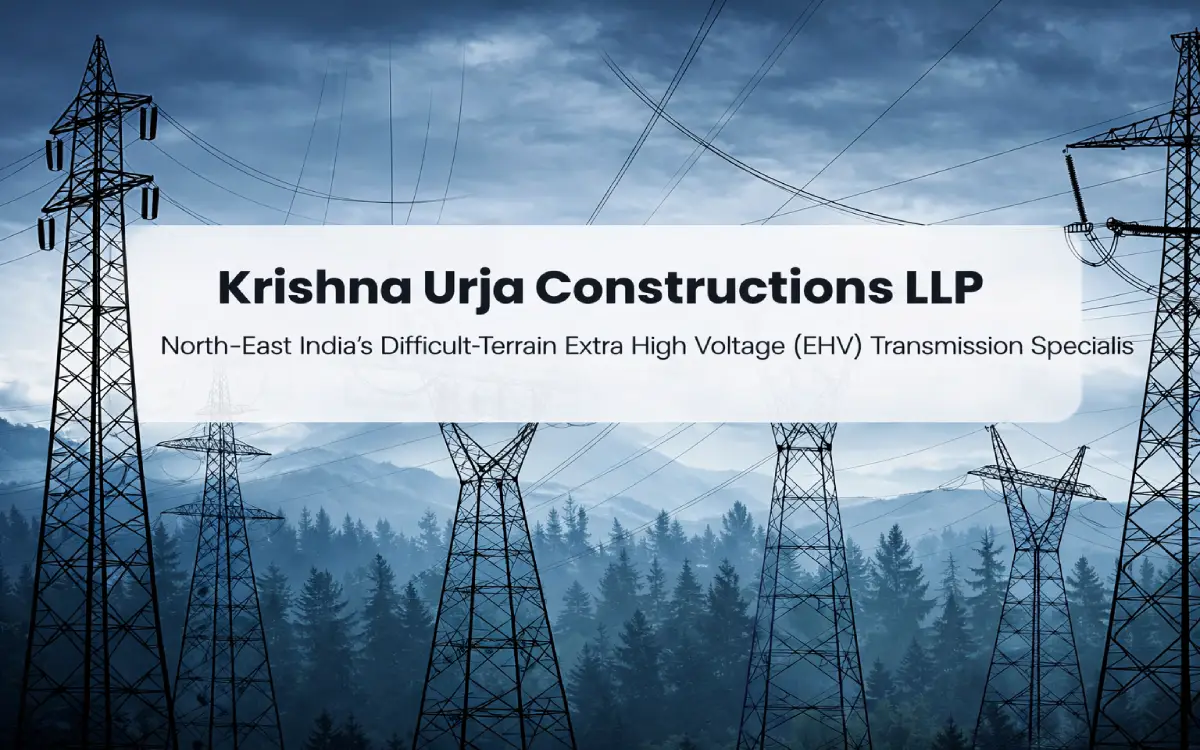
Reliable electricity is one of the most important needs of modern life. Homes, factories, hospitals, schools, and transport systems all depend on a stable power supply every day. To move electricity safely from power plants to cities and villages, strong transmission systems are required. This is where overhead transmission lines play a major role in connecting generation sources to users.
Today, many utilities and industries choose EPC services for overhead transmission lines because they offer complete project support from start to finish. EPC means Engineering, Procurement, and Construction. It is a smart project model where one expert company manages planning, material supply, construction, testing, and commissioning under one contract.
This method saves time, reduces delays, improves quality, and makes project execution smoother. In this article, we will explain the role of EPC services in overhead transmission line development, their benefits, process, challenges, and why they are important for the future of power infrastructure.
What Are Overhead Transmission Lines?
Overhead transmission lines are systems that carry high-voltage electricity over long distances using towers, conductors, insulators, and other equipment. These lines are installed above the ground and are commonly seen across highways, open land, rural areas, and industrial zones.
Their main purpose is to transmit electricity from power generation stations to substations, where the voltage is later reduced for local distribution.
Main Components of Overhead Transmission Lines
- Transmission towers or poles
- Conductors or cables
- Insulators
- Earthing systems
- Hardware fittings
- Foundations
- Protection and safety systems
Every part must be designed and installed properly to ensure safe and uninterrupted power flow.
What Are EPC Services?
EPC stands for:
- Engineering – Planning, surveying, designing, and technical calculations
- Procurement – Purchasing quality materials and equipment
- Construction – Site execution, installation, testing, and commissioning
In simple words, one contractor handles the entire project. This makes communication easier and project management more efficient.
For power infrastructure, EPC services for overhead transmission lines are highly useful because transmission projects involve technical design, large-scale materials, multiple teams, safety risks, and strict deadlines.
Why EPC Model Is Important in Transmission Projects
Traditional project models often involve separate contractors for design, supply, and construction. This can create delays, confusion, and cost increases.
The EPC model solves these issues by giving complete responsibility to one experienced company.
Key Advantages:
- Single point of accountability
- Better coordination between teams
- Faster project completion
- Cost control
- Improved quality standards
- Lower project risks
- Easier progress tracking
Because of these benefits, many government and private energy companies prefer EPC contracts.
Role of Engineering in Overhead Transmission Line Development
Engineering is the first and one of the most important steps of any transmission project. Without proper planning, the project may face delays, safety issues, or high maintenance costs.
Important Engineering Activities:
Route Survey
Experts study the land, road crossings, railway crossings, forest zones, and populated areas to select the best route.
Tower Design
Different tower types are chosen depending on terrain, voltage level, angle points, and span length.
Electrical Design
This includes conductor sizing, insulation level, grounding design, and system protection.
Structural Analysis
Towers must handle wind pressure, storms, temperature changes, and conductor tension.
Safety Planning
Designs must follow safety standards to protect workers and nearby communities.
Strong engineering helps build reliable and long-lasting transmission lines.
Role of Procurement in EPC Projects
Procurement means sourcing and supplying all required materials on time. Delays in materials can stop the entire project.
Important Materials Procured:
- Steel towers
- Conductors
- Insulators
- Ground wire
- Fasteners and fittings
- Cement and steel for foundations
- Safety equipment
- Tools and machinery
A professional EPC company uses approved vendors and quality checks before dispatching materials to the site.
Benefits of Proper Procurement
- Timely material delivery
- Better pricing through bulk purchase
- Quality assurance
- Reduced wastage
- Smooth construction progress
This is why procurement plays a critical role in successful EPC services for overhead transmission lines.
Role of Construction in Transmission Line Development
Once engineering and material supply are ready, construction begins on-site. This stage requires skilled manpower, machines, and careful supervision.
Main Construction Activities:
Foundation Work
Tower foundations are built using excavation, reinforcement, and concrete.
Tower Erection
Tower members are assembled and erected safely using cranes or manual methods.
Stringing of Conductors
Conductors are pulled and fixed between towers with proper tension.
Earthing Installation
Grounding systems are installed to protect against faults and lightning.
Testing and Commissioning
Electrical and mechanical tests are completed before energizing the line.
Good construction practices ensure long service life and minimum failures.
How EPC Services Improve Project Speed
Transmission line projects often have strict deadlines. Delays can affect industrial growth and public power supply.
EPC companies improve speed through:
- Parallel planning and procurement
- Better workforce management
- Fast decision-making
- Real-time progress monitoring
- Strong vendor networks
- Experience in handling approvals
Because one contractor manages everything, work moves faster compared to separate contracts.
Importance of Safety in EPC Transmission Projects
Transmission line work includes heights, electricity risks, heavy lifting, and outdoor conditions. Safety must always be a top priority.
Safety Measures Used:
- PPE for workers
- Height safety systems
- Electrical isolation procedures
- Crane and lifting safety checks
- Emergency response plans
- Daily toolbox talks
- Skilled supervision
A good EPC company follows all local safety laws and international standards.
Quality Control in EPC Services
Poor quality can lead to breakdowns, maintenance costs, and dangerous failures. Quality control is essential in every stage.
Quality Checks Include:
- Raw material inspection
- Tower fabrication inspection
- Concrete strength tests
- Alignment checks
- Tension measurement during stringing
- Final electrical testing
Reliable EPC services for overhead transmission lines focus on quality from day one.
Challenges in Overhead Transmission Line Projects
Even experienced teams face challenges during development.
Common Challenges:
- Land access issues
- Weather delays
- Difficult terrain
- Material transport problems
- Environmental approvals
- Labour shortages
- Safety risks
- Tight deadlines
An experienced EPC contractor prepares solutions in advance to reduce project impact.
Use of Technology in Modern EPC Projects
Today’s transmission projects use advanced technology for better results.
Popular Technologies:
- Drone surveys
- GIS route mapping
- Project management software
- Tower design software
- Digital quality reports
- Live progress dashboards
- Predictive maintenance tools
Technology increases speed, accuracy, and transparency.
Industries That Need Overhead Transmission Lines
Many sectors depend on strong transmission networks.
Examples:
- Power generation companies
- Renewable energy plants
- Industrial parks
- Smart cities
- Railways and metro systems
- Mining projects
- Oil and gas sectors
- Rural electrification programs
All these sectors benefit from professional EPC execution.
How to Choose the Right EPC Partner
Selecting the right contractor is very important.
What to Check:
- Experience in similar voltage projects
- Skilled engineering team
- Safety record
- Financial stability
- Quality systems
- On-time delivery history
- Strong vendor network
- Good client reviews
A trusted EPC partner can save both time and money.
Future of EPC Services in Transmission Development
Electricity demand is increasing every year. Renewable energy like solar and wind also needs new transmission networks. As grids expand, more towers and lines will be required.
This means demand for professional EPC services will continue to grow in:
- Green energy evacuation lines
- Ultra-high voltage projects
- Cross-country transmission corridors
- Rural electrification expansion
- Smart grid upgrades
The EPC model will remain one of the best ways to deliver these complex projects.
Why Businesses Trust Professional EPC Companies
Businesses and utilities choose EPC companies because they want:
- One responsible partner
- Lower risk
- Better planning
- Faster execution
- Predictable budgets
- Quality results
- Long-term reliability
These factors are essential when investing in power infrastructure.
Conclusion
The development of overhead transmission lines is vital for reliable electricity supply and economic growth. These projects require detailed planning, quality materials, skilled construction, and strong safety systems. That is why EPC services for overhead transmission lines are becoming the preferred solution across the energy sector.
By combining engineering, procurement, and construction under one expert team, projects become faster, safer, and more efficient. Companies looking for dependable transmission infrastructure solutions can trust Krishna Urja for professional support, quality execution, and long-term project success.

Leave a Comment